


The Chinese government released its latest 15th Five-Year Plan on March 13, 2026. The document, approved by the National People’s Congress this week, provides a vision of governance until 2030. I was particularly curious to see what China has in mind for higher education through China’s education vision for 2030 and what it means to the world.
AI and Robots Leading the Way
Innovations in AI, robots, or other high-tech areas were a central theme to the entire 15th Five-Year Plan. This focus goes well beyond higher education, connecting to all facets of Chinese society. In particular, AI was listed as one of the top national strategic tech targets. Of course, these innovations were explicitly mentioned alongside military capabilities, including unmanned intelligent combat forces. Universities, though, are seen as central nodes to the desired technological development.
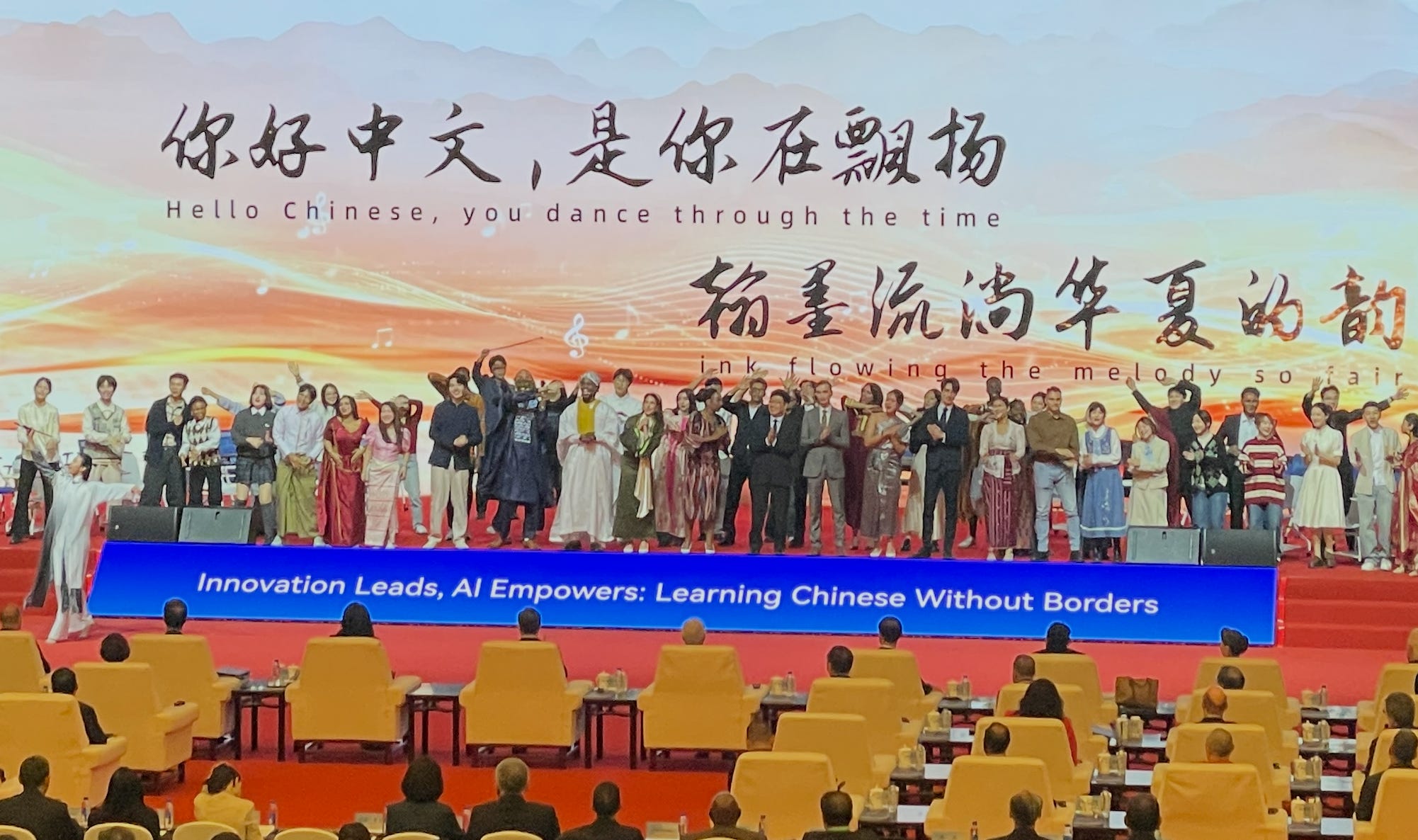
The document states that "high-level research universities" (高水平研究型大学)…. are key to developing technological advancement. Specifically, “high-quality higher education (优质高等教育) is the lifeblood of engineering livelihood.” In this plan, universities must engage in industry collaboration, and vice versa, in these spaces. It notes that due to the “unconventional layout” of AI-related majors, higher education must be nimble and flexible to produce such specialists.
These collaborations explicitly mention both AI and robotics. The AI+ (人工智能+) initiative announced is geared towards the creation of high-performance AI chips and AI data governance, along with various software advancements. Artificial General Intelligence (AGI) was also set as a goal, with targets of both general-purpose and industry-specific “agent-based” models.
Potentially, one of the most exciting proposals discusses the integration of AI with physical systems. In a word: Robots. The plan calls for building “humanoid robots” and developing “brain-computer interfaces” as new economic growth points. They especially mention medical breakthroughs related to these goals, such as surgical robots, medical diagnosis/treatment, and elderly or disabled care.
In this AI robot future, the Chinese government does have an eye on restraint and safety nets. The plan discusses a full risk management lifecycle system. Under these conditions, sectors must grapple with ethics, algorithm registration, and property rights for AI-generated content. Furthermore, there is concern over the impact on jobs with the so-called "employment creation effect."
International Cooperation
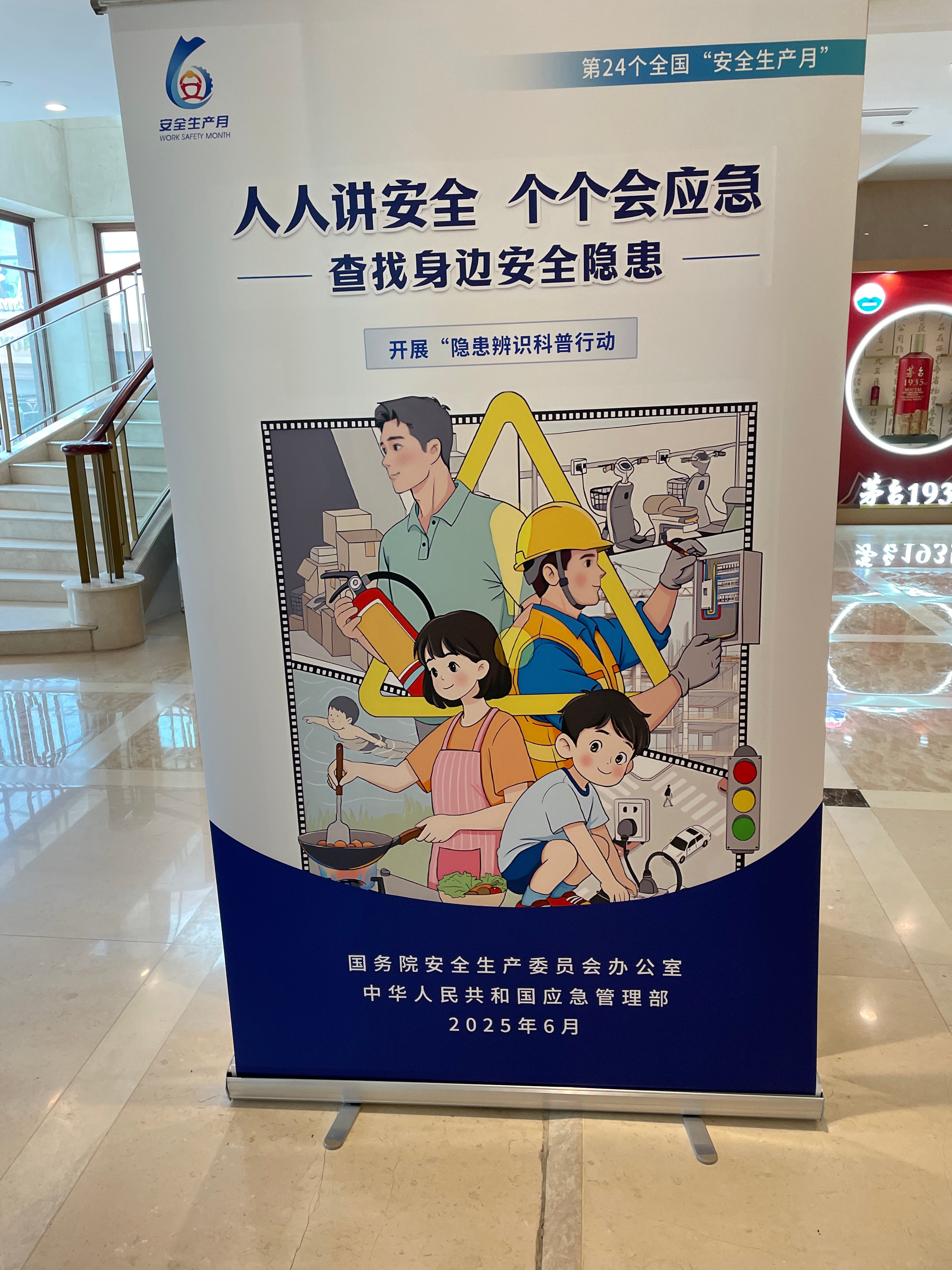
Part of my interest in the 15th Five-Year Plan is to understand the direction of higher education in China will connect with sectors abroad. It is a somewhat selfish interest, since I do enjoy funded trips to conferences and events for educational and academic exchange. As I wrote before, after some COVID pullbacks, the country seems to be reaffirming these international connections.
The document explicitly mentions international professional exchange and cooperation among universities. They explicitly mention to “strengthen the ‘Study in China’ brand,” something similar to what I heard in Beijing back in November. There are expectations of high-level foreign science and engineering talent exchange, especially from Belt and Road partners. This likely means more funding for top researchers to come to Chinese universities, perhaps in similar efforts like the much-maligned Thousand Talents Plan.
Now, some may be concerned about these overseas talent recruitment efforts. Indeed, they have been the primary target of US espionage concerns at universities through the China Initiative. While some unlawful acts were uncovered, many of the investigations proved fruitless. Still, as China remains committed to these strategies, governments abroad will keep their guard up.
We will actively propose Chinese solutions for international rules in emerging fields such as artificial intelligence, the digital economy, green and low-carbon development, and outer space.
These concerns from the US will surely center on the proposed “Chinese solutions” for international rulemaking for AI and other sensitive areas. The government plan makes the case that its open ecosystem is a win-win for global cooperation. This juxtaposition is implicit in comparison to the closed systems of the US, underpinned by OpenAI or Anthropic (though this was not mentioned explicitly).
Higher Ed Expansion (Conquest?)
China’s education vision for 2030 seeks an expansion of higher education. The explicit goal laid out was to reach 65% gross enrollment at this education level. These growth targets have been set for both “high-level research universities” and “application-oriented undergraduate universities.” At the same time, it stated a goal to boost the proportion of engineering master's and doctoral students.
There was an explicit mention of resource allocation moving towards the Western and Central regions, which have been historically marginalized in terms of elite Chinese higher education. The funding model called the "Double First-Class” initiative is set to be expanded, too. I expected some universities in these regions to be elevated to more elite levels of the hierarchy, at least in terms of funding and expectations.
The continued focus on expansion is interesting in the current era of higher education. Systems across the world, especially in the region, are contracting. Since China is still the world’s largest exporter of international students, there would seem to be an appetite for domestic development. Despite the looming birthrate crisis, China is still looking to expand. That may mean fewer students going abroad in the future. Universities around the world that overrely on Chinese students should take heed.
Probably the most intriguing (and concrete) development to come out of the plan is the Macao-Hengqin International Education (University) City. This initiative is set to create a kind of hub for higher education and international collaborations. There will likely be both domestic and international branch campuses, along with other institutional establishments. This project was already announced last year, but the high-level mention illustrates the importance of such development.
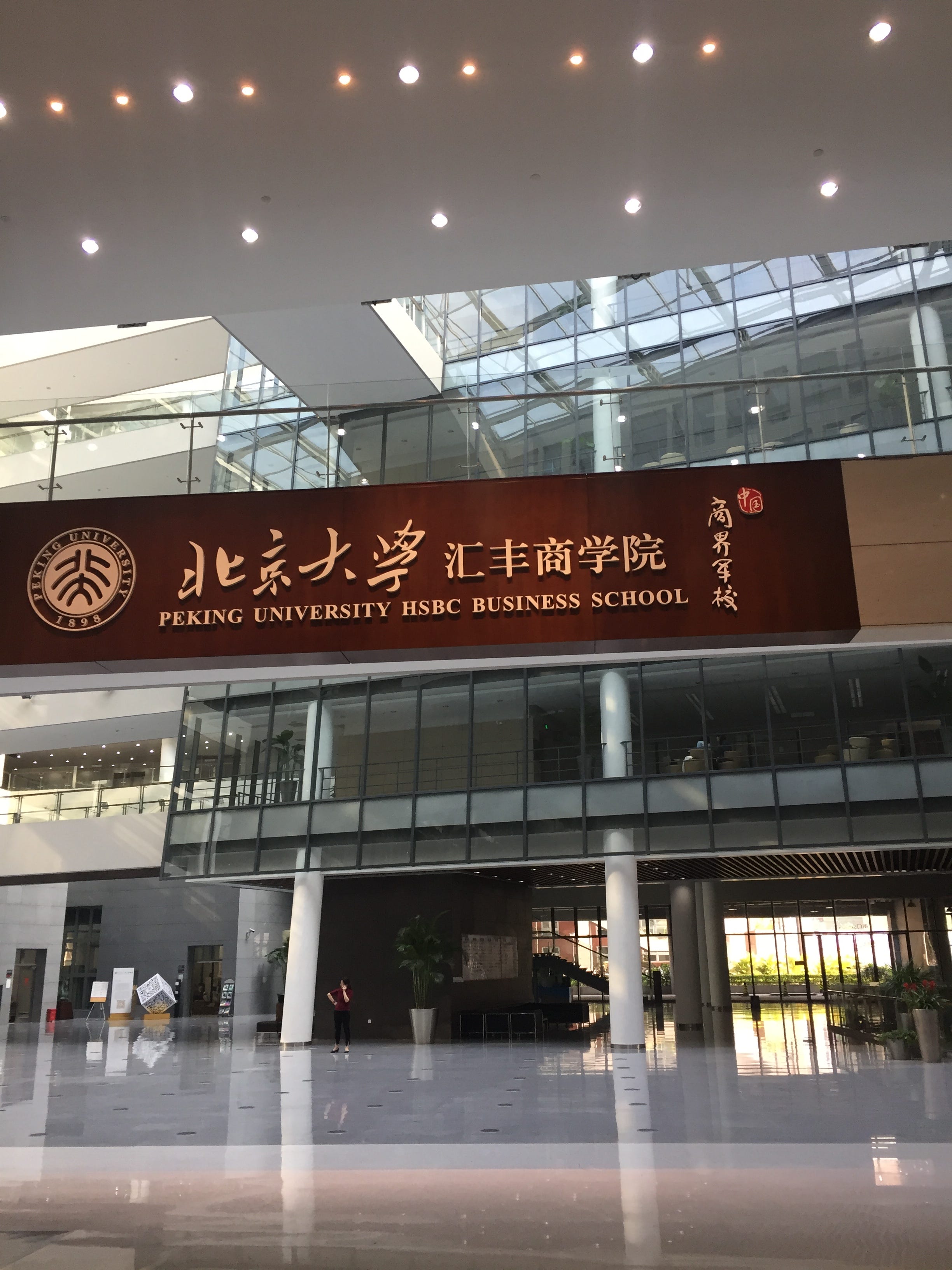
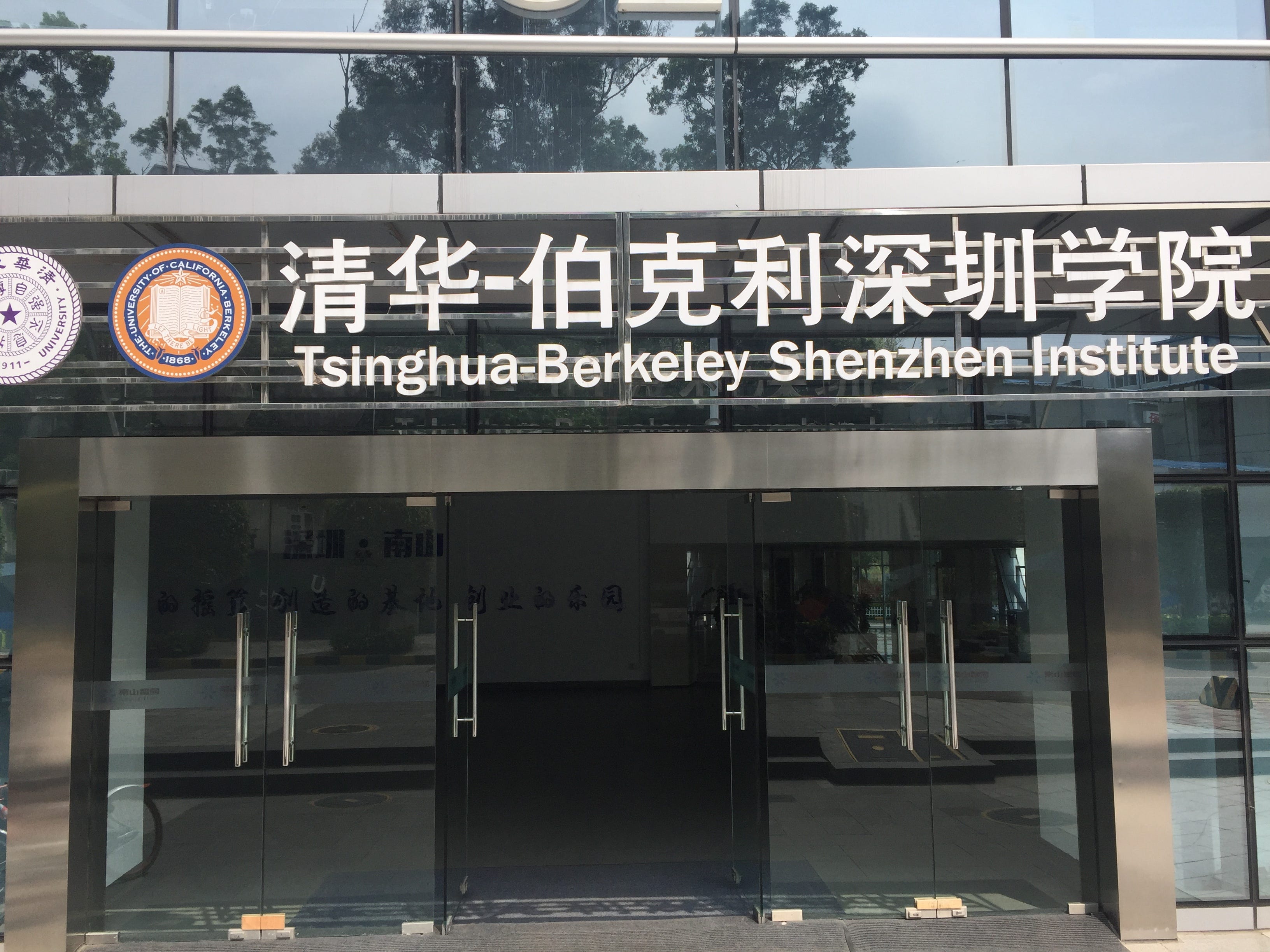
Macao-Hengqin International Education (University) City means the Pearl River Delta (aka China’s Bay Area) will only become strong in terms of education, an area that already boasts top institutions through these educational hub strategies, like the University Town of Shenzhen. Peking University HSBC Business School and Tsinghua–Berkeley Shenzhen Institute already operate in the area.
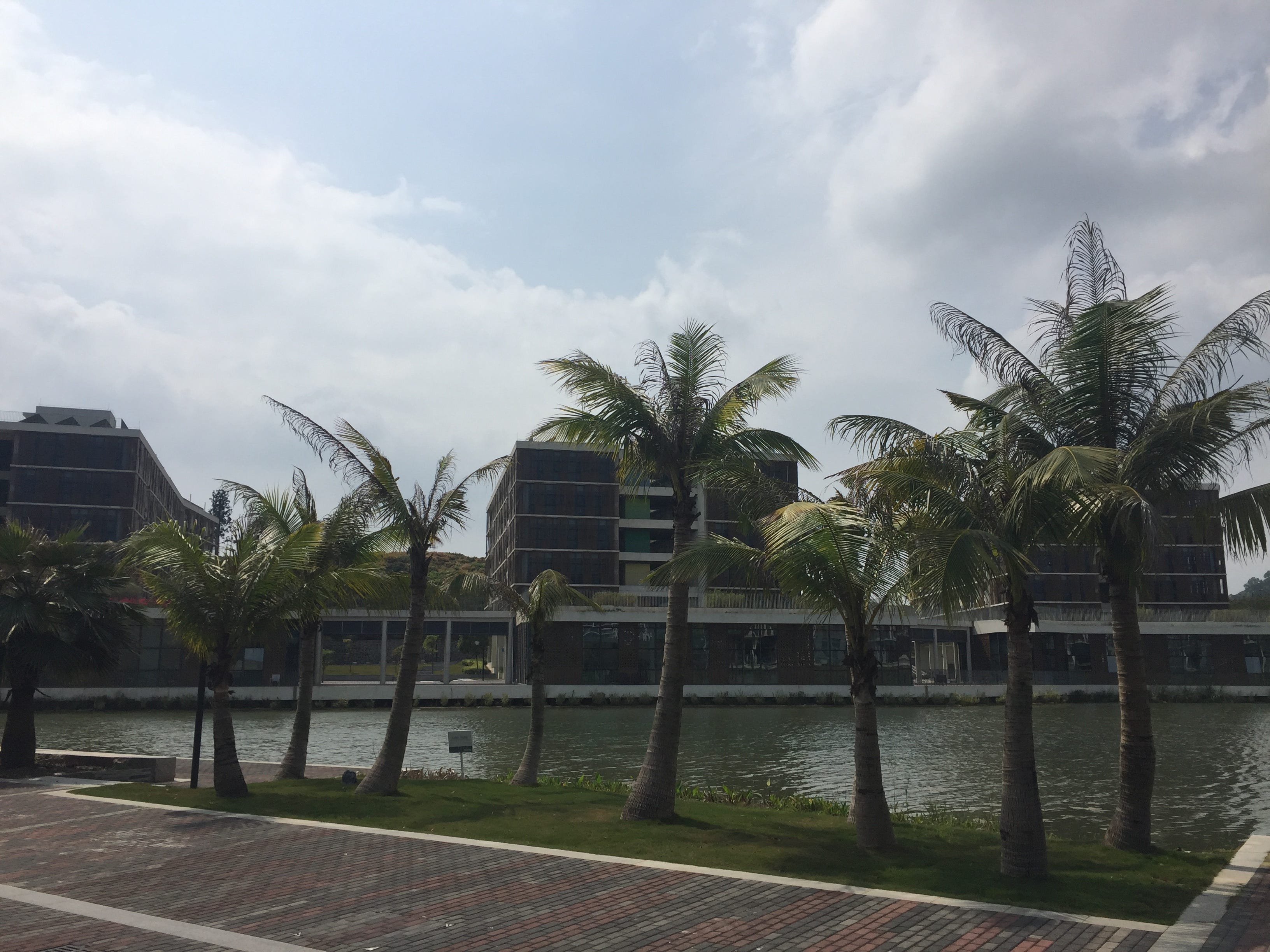
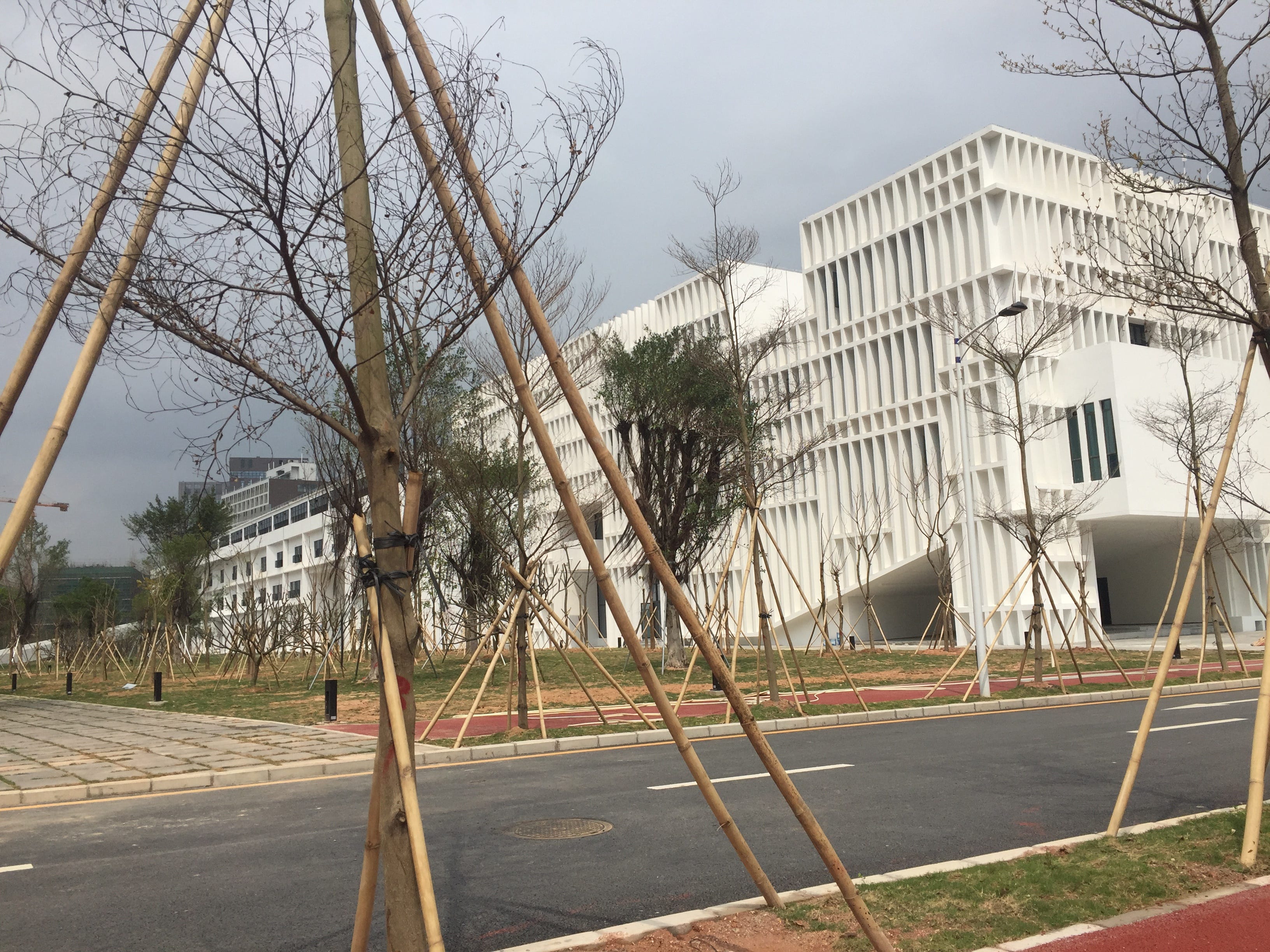
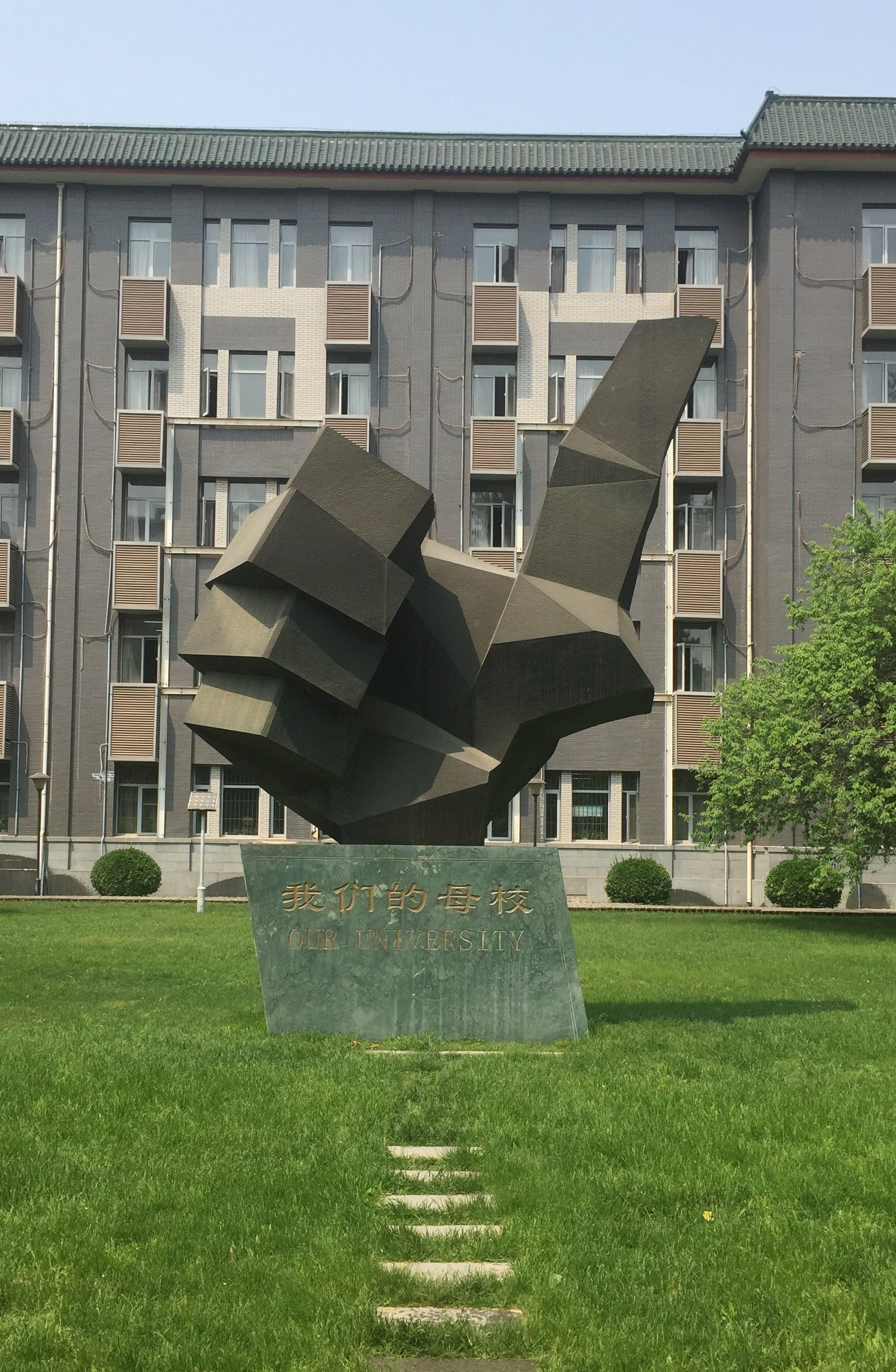
Below are some photos from my trip to Shenzhen in 2017. I was conducting research on world-class university conceptions. Then, the place was still a little green, and felt a bit empty. I have not been back since, but I have heard that the area has fleshed out, including the new campus of SUSTech. I hope to go back soon. The neighboring Macao-Hengqin space is likely expected to see similar growth by establishing "new research universities."
Given the chaos and instability in the Middle East, I wonder whether some institutions would consider relocating international branch campus operations from the Gulf states to Southern China. I would not be surprised if institutions made the move sooner rather than later. The investment into this Macao-Hengqin initiative may spur further conquest expansions that can cannibalize other such hubs already established.
The Educational Takeaways
I do not want to paint a picture that higher education was the central focus of the 15th Five-Year Plan. It was merely one part of broader sociological developments. Bert Hofman, Professor, East Asian Institute, National University of Singapore (NUS), broke down the entire 15th Five-Year plan on his Substack. Artificial intelligence was the number one topic, growing largely from the previous plans. His general impression:
Overall, the word count suggests a continued strong emphasis on innovation and technology, reduced emphasis on reform and opening (and market development), and still limited attention to “people first” and common prosperity. The Plan suggests also stronger emphasis on basic research, and a stronger link between technological innovation and growth… Also, the AI+ initiative of the government, based on a plan issued last year fall, receives abundant attention. It sees the main value of AI in its application, and in particular in its application to industry and business. The open access approach that China’s tech companies such as DeepSeek have taken fits this well and could lead to more rapid adoption of AI than in countries that rely on proprietary systems.
Hofman’s findings also showed that specifics on education, while present, were lacking. In a LinkedIn post, Qiang Zha, Associate Professor at York University, was more critical. “It's truly a pity (and a surprise) that education didn't excel in terms of word frequency in those Five-Year Plan documents,” he wrote. He suggested that other recently released plans did have more specific outlines for education.
Amber Wang, reporting at University World News, noted that there were significant promises made to boost and invest in education at the Two Sessions of the National People’s Congress and the Chinese People’s Political Consultative Conference, concluding on March 11. “China has pledged a 10% boost in science funding and renewed support for its flagship elite university programme,” she reported. This includes increases in funding for science and technology development by 10% and basic research by 16.3%.
My take is that AI and education, particularly elite higher education, are welded together in China. Companies like DeepSeek cannot be separated from the Tsinghuas and Pekings. AI was central to the 15th Five-Year Plan, tied to national defense, social development, and, yes, education. Given the national focus on AI development, I expect these top institutions to remain central in these initiatives. I am not sure how this AI focus will impact the lower tiers of the sector, though.
Note: related articles from College Towns and the author can be found below.
Where Did the DeepSeek Team Go to University? Not in the US.

The news that DeepSeek released an AI large language model (LLM) that rivaled OpenAI shocked the world. The small Chinese firm reportedly achieved this feat at a fraction of the price done by the American counterpart, undercutting the business model with a comparable model that is cheaper and open source.
China Will Gladly Take Our International Students, Bad Gen Z Survey, & More

Note: Around the College Towns is my weekly links roundup article on urbanism and education. These posts mostly cover news that may have fallen through the cracks rather than the big events.
