


I have been researching closed or closing colleges for about two years now. My research has taken me to sites across the United States, which will be the focus of my upcoming book. But the quandary of shuttering institutions is not only germane to the American experience, nor is this only a very recent phenomenon. Countries around the world have long grappled with these very issues.
In a parallel line of research, I have been trying to classify the kinds of closures witnessed in various countries or regions. In East Asia, Japanese and Korean institutions have recently seen threats of closures related to the prolonged birthrate crisis. In the Middle East, campus closures have come at the expense of war and conflict, including many foreign branch campuses questioning the long-term viability of these overseas outposts.
War and conflict have long led to shuttered colleges, including the one I am highlighting here: Fu Ren University, formerly located in the heart of Beijing. I recently toured the campus during a trip to China, and I draw on this experience, material from Beijing Normal University (BNU), and historical analysis for this exploration. All photos are my own.
Its long history is a fascinating tale of adaptive reuse related to closed and closing colleges. The university campus at No. 1 Dingfu Street, Xicheng District, Beijing, a stone’s throw away from the inner-sanctum of the country’s political and cultural center, survived in some forms under four different governments: Warlords, Nationalists, Japanese, and Communists, from 1925 to 1952.
A Princely Palace
The site of Fu Ren University had a long (and prestigious) life before the college arrived. It sits on what is known as Prince Gong’s Mansion, sometimes referred to as a palace, part of the holdings of the Qing imperial royal family. In 1780, the Qianlong Emperor built a mansion at the site for his princess daughter. What became the campus also served as a garden and stables for the mansion.
The location is in the heart of central Beijing, close to the well-known cultural heritage sites like the Forbidden City and Tiananmen Square. The Imperial Palace was a sacred inner sanctum for the Chinese royals, so the prime spot the location holds illustrates its importance. As Chen (2003) describes:
Old capital, Beijing, know that the city was circular and divided by ranks in the Imperial Court. The center was the famous Forbidden City for the Emperor and his family; the next was the Imperial City, for the high-ranking officials. The third was the Tartar City where Catholic Fu Ren University located…
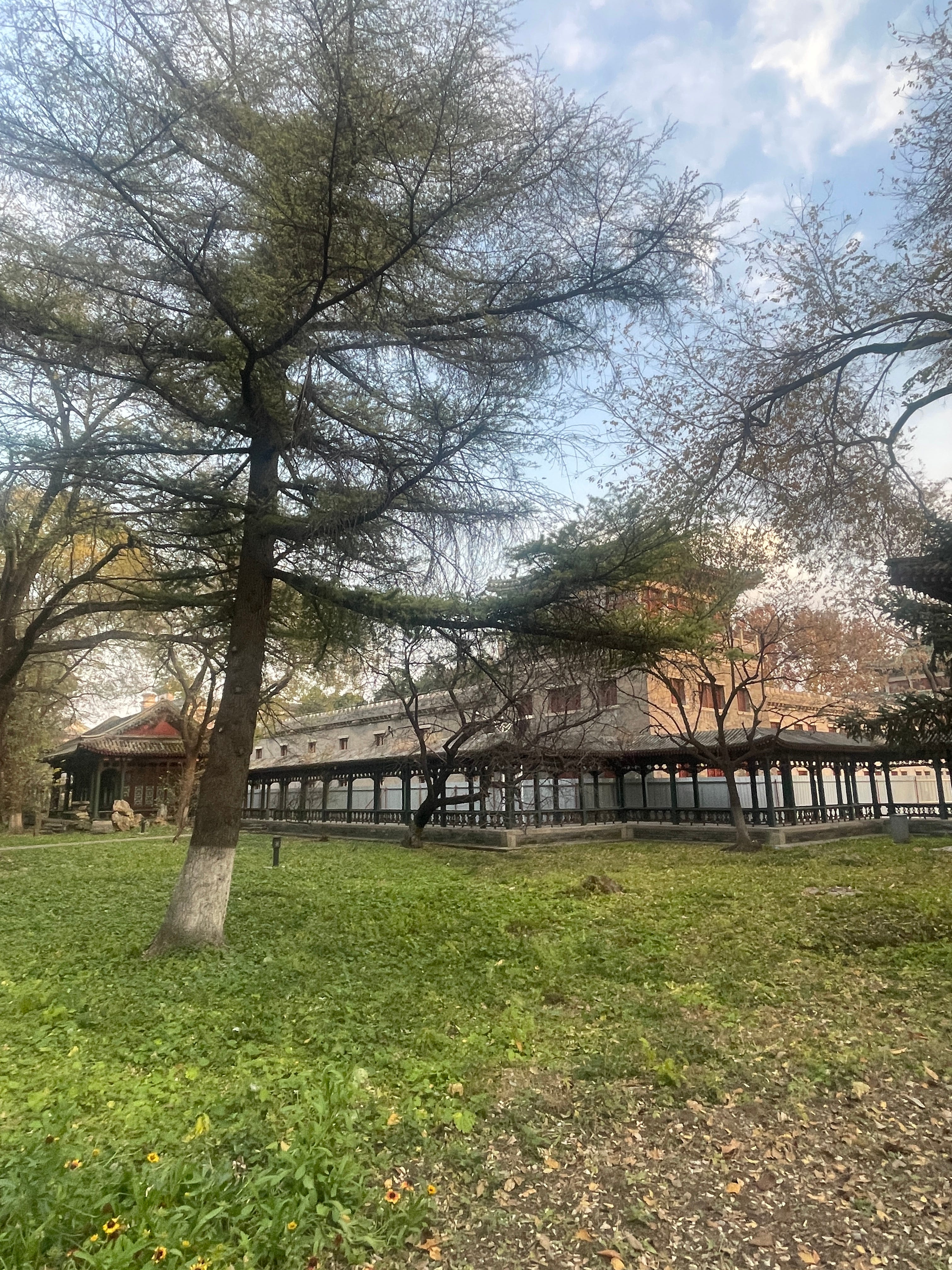
The grounds continued to see construction and other happenings during the turbulent mid-to-late Qing Dynasty, which lasted from 1644 to 1912. Some of the stories could be inserted right into Game of Thrones, with princes convicted of crimes and stripped of titles or wealth, including the Palace grounds.
As the Qing Dynasty was crumbling under internal strife and external pressures, the Palace location was in the hands of Puwei. Puwei was a relative and rival to Puyi, The Last Emperor of China, whose life was depicted in the beautiful, Oscar-winning film by Bernardo Bertolucci in 1987. Puwei actually had a partial claim to the throne through his lineage.
Even once the empire fell, the Japanese approached Puwei to gauge his interest in establishing the puppet kingdom of Manchukuo, carved out of Northeast China. Puyi, hearing his rival was being courted, decided to take the throne in his ancestral homeland himself, rather than moving abroad as encouraged by his former tutor, the Scotsman Reginald Fleming Johnston.
In 1912, Puwei sold all of the cultural relics of the palace to a Japanese company. Then, in order to raise money for his efforts in the restoration of the Qing dynastic rule, he offered the grounds to the Catholic church in 1920. It would take a few years for the deal to be finalized, moving the institution to the location. Its days of palace intrigue were over. The turbulent time of transition, though, did not subside with the handover.
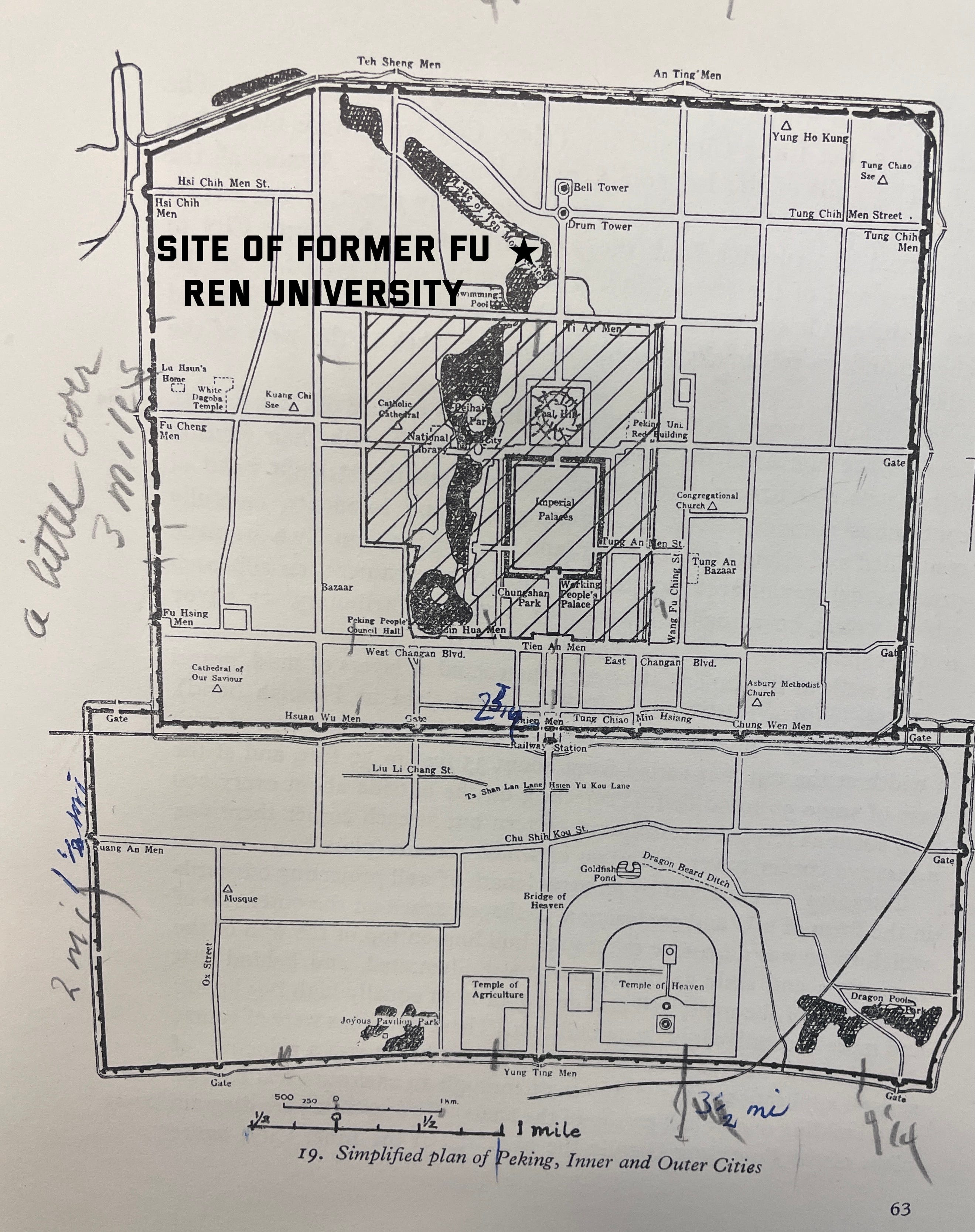
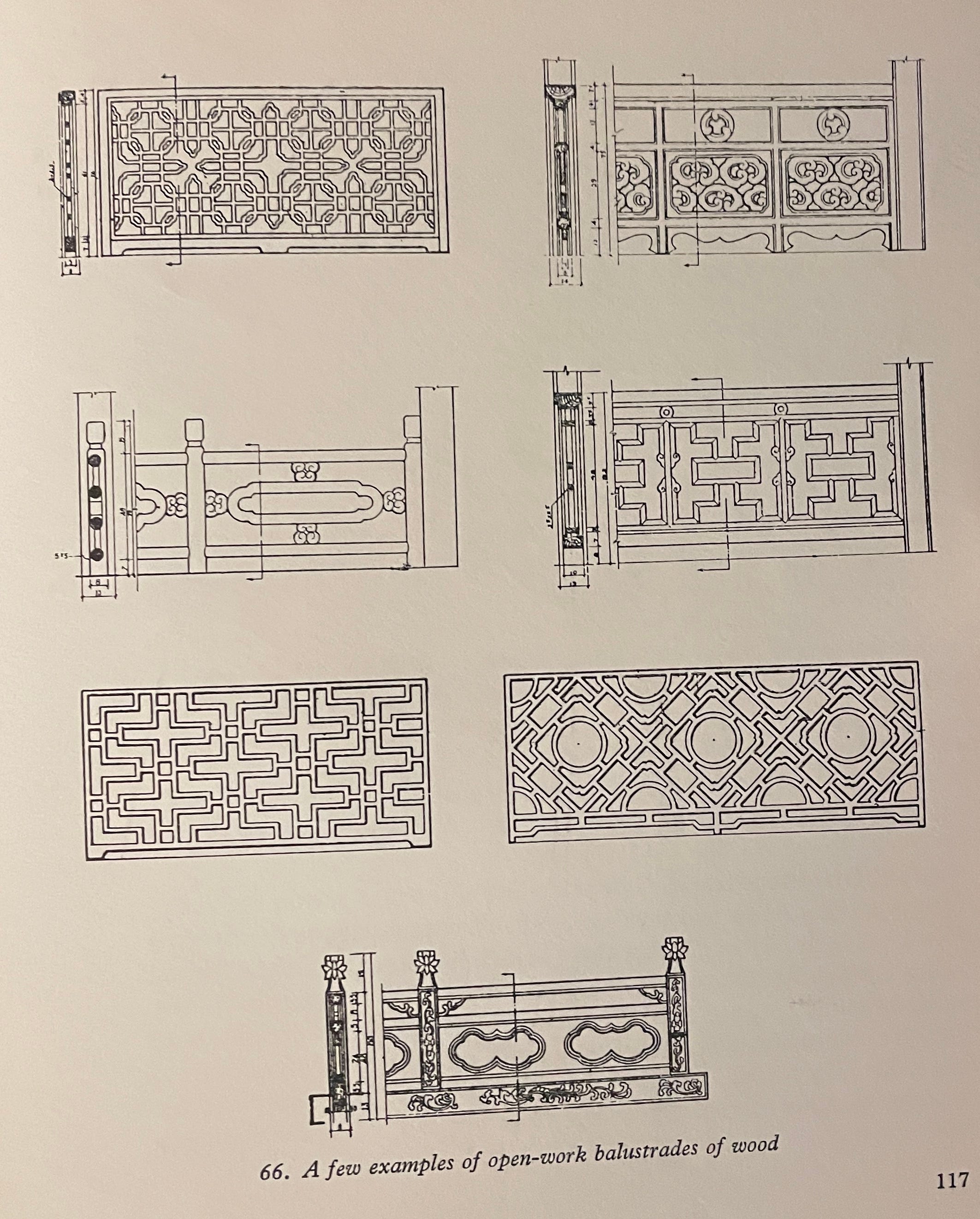
The site consists of 41,000 square meters in Xicheng area of Beijing. Chinese Architecture: 1500 B.C - A.D 1911 (1962) by Andrew Boyd, from my personal collection, offers an illustration of the built environment of the era (also available on Internet Archive). The location of the college is near the lakes in the Northwest part of the map.
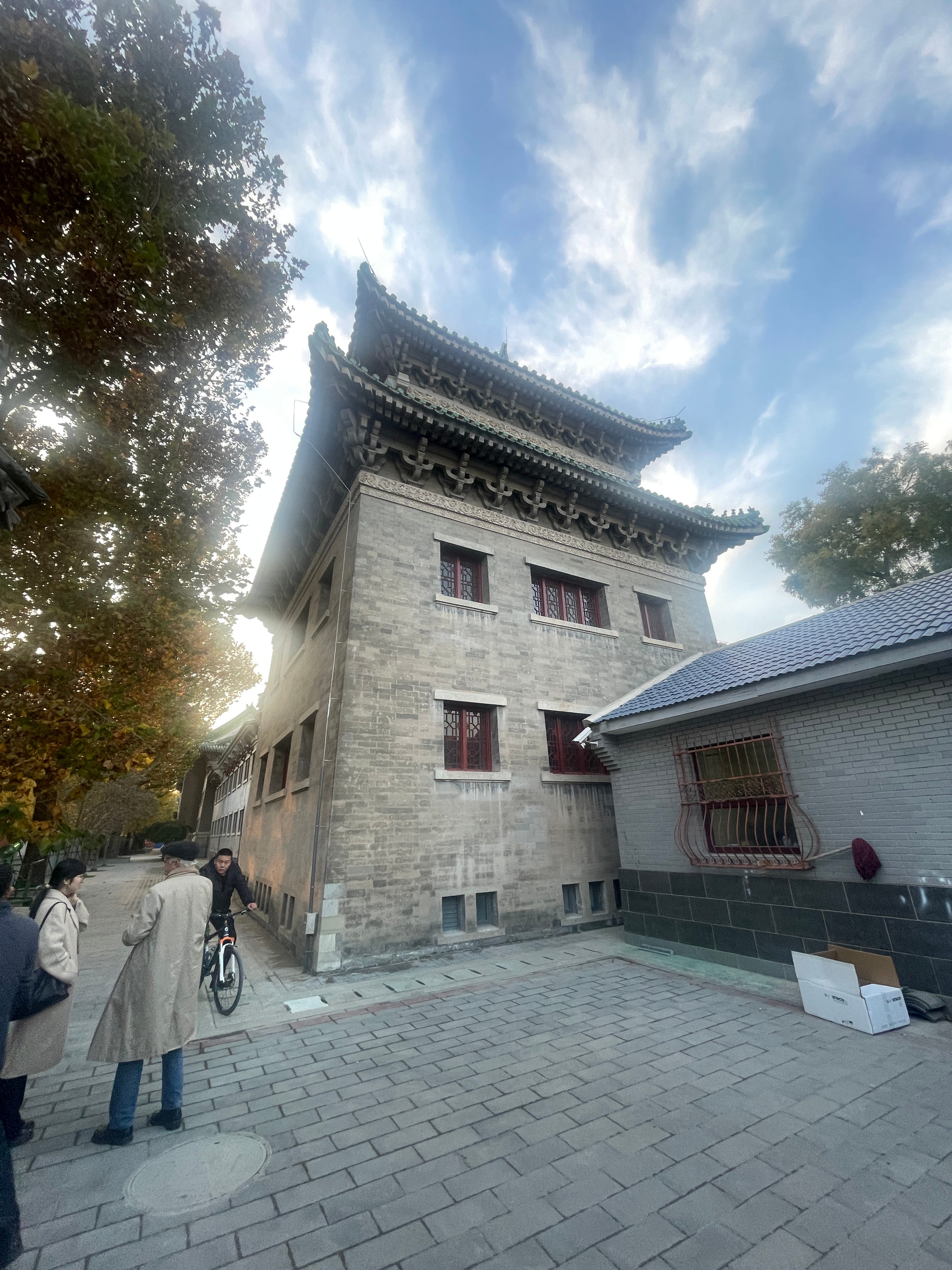
Fu Ren University
Much of the in-depth history of the school comes from John S. Chen’s book, The Rise and Fall of Fu Ren University, Beijing (2003). He chronicles the very earliest days, as Pope Pius X announced intentions of opening the university way back in 1912, to its eventual closure at the onset of the Communist takeover of China. While the institution only lasted 27 tumultuous years from 1925 to 1952 (tough times for China), it reached heights in academia and education.
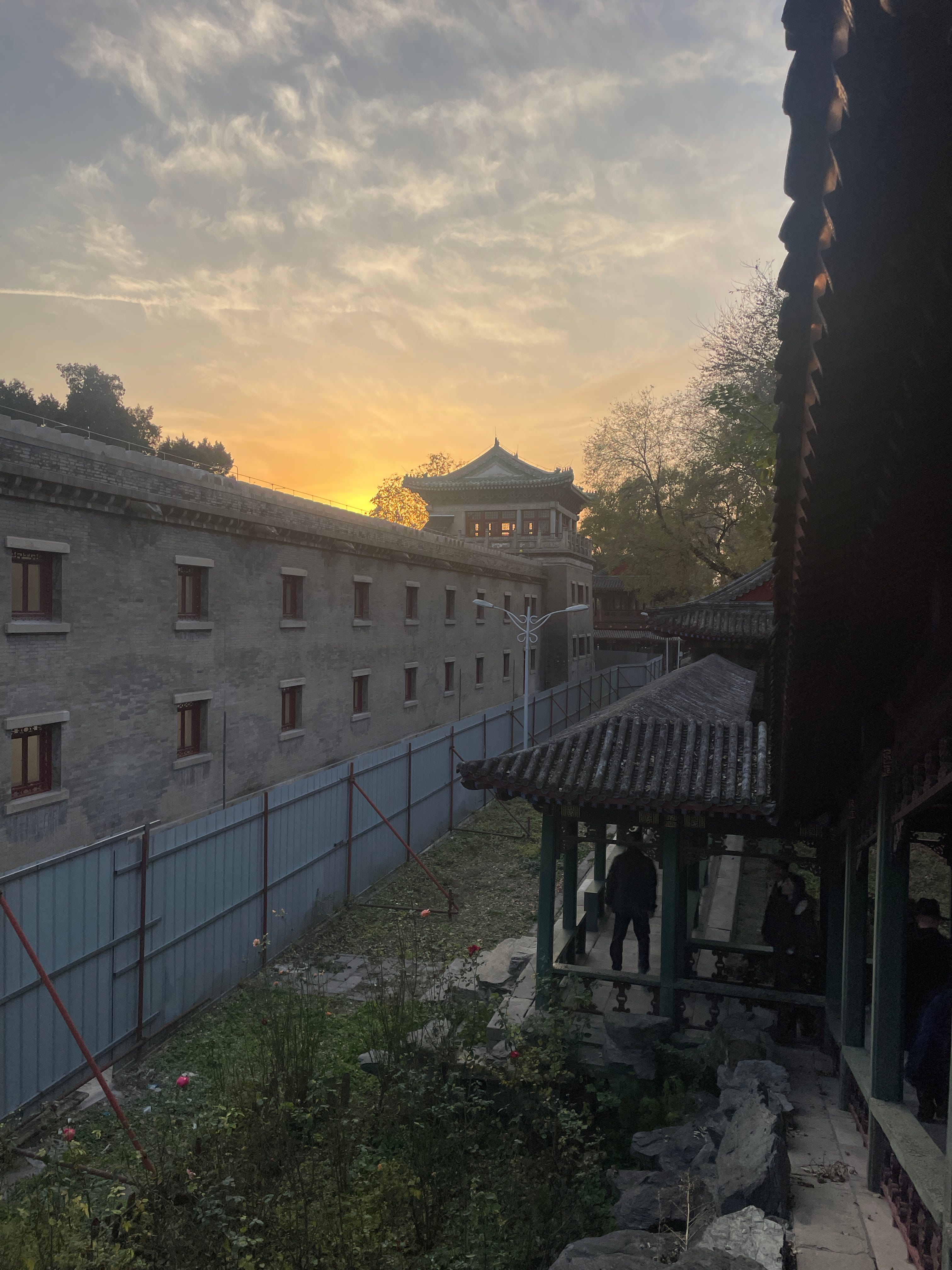
Led by the American Benedictine Order, the Church insisted that Fu Ren be a “University” rather than just a college. Its backers wanted the institution to be higher-level than what was already present in Beijing at the time. There was concern about competition from other recently-founded institutions, and they wanted Fu Ren to match the prestige of the Catholic Church at the time.
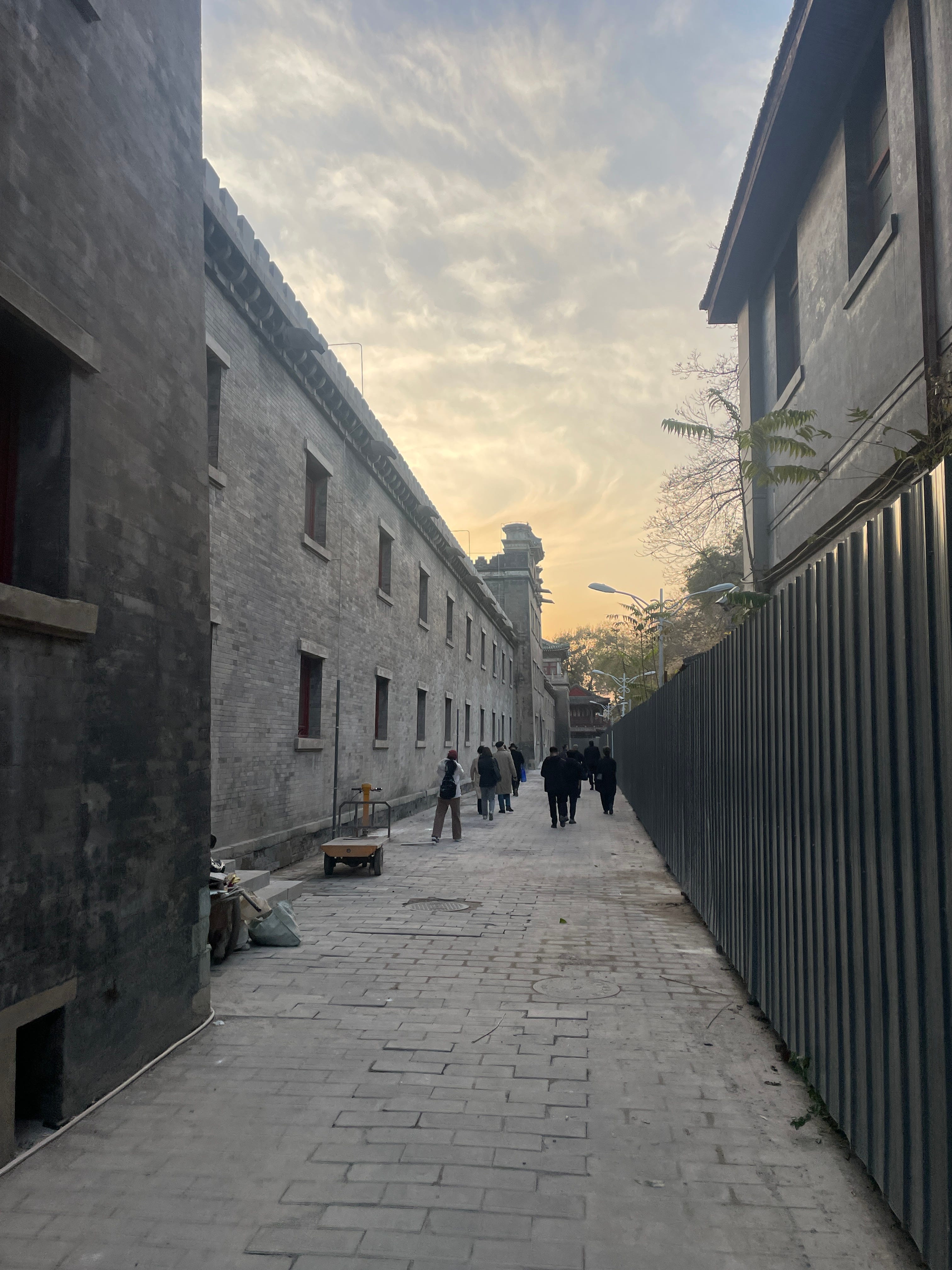
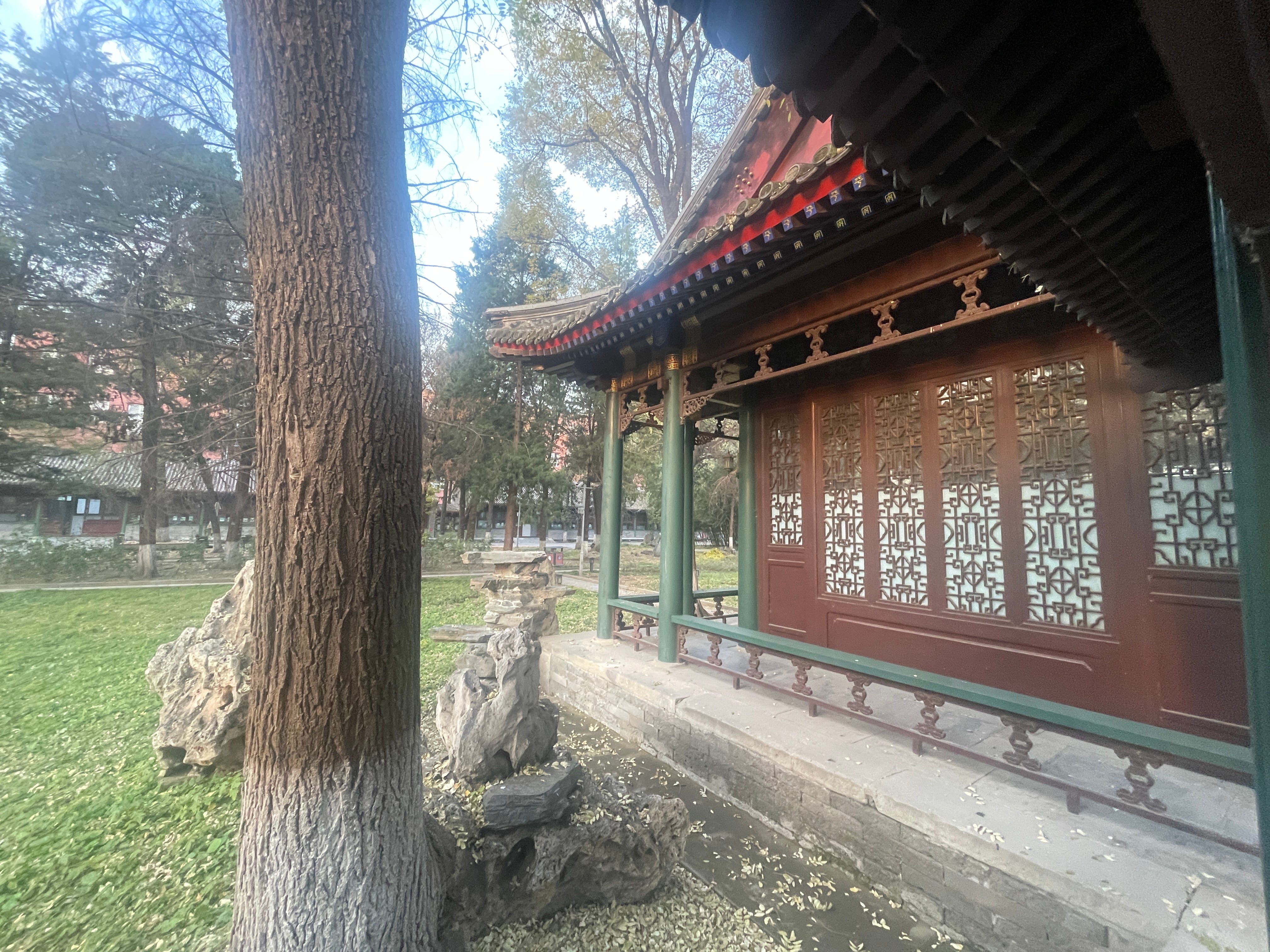
Finances were funded through a direct line to the Pope, among others. Local artisans were also brought in to restore the grandeur of the former palace after years of political uncertainty for the Qing landholders. “…designed by Dom Adelbert Gresnigt, [this] is a good example of the indigenous adaptation of the church university in this context,” says Lin Zou, professor at the School of Architecture Urban Planning, Construction Engineering, Politecnico di Milano, Italy, in a piece on the historical architectural legacy of the school.
Immediately after taking over the palace in the end of July, the Benedictine Fathers began to renovate the buildings, install steam heat, modern plumbing, and electric wiring, and to convert the “Western Library” (Xi Shu Fang) of the palace into a school fit to house the long contemplated Fu Ren She or the Academy of Chinese Studies (Chen, 2003, p. 77).
According to Chen, the peak student population was 2,348 and 282 faculty, achieved in 1948. They came from all across China, and even a few from abroad. Some famous alumni include Wang Guangmei, the wife of future Chinese Premier Liu Shaoqi. She was awarded China’s first master’s degree in physics to a woman in the country.
Faculty were made up of mostly Chinese, with some foreigners, including missionaries. Many of the Chinese faculty had studied in the US or Europe though, such as the University of Louvain, the University of Berlin, the University of Munich, John Hopkins, Harvard, Wisconsin, Northwestern, and Michigan. Some of the former faculty and administration are still well known today, with Wikipedia pages to match: Ying Lianzhi, Yuan Han-qing, Zeng Zhaolun, Ying Qianli, Ma Xiangbo, and Chen Yuan.
The campus served as a gathering spot for intellectuals of the day. The writer Lu Xun even delivered an anti-Japanese speech at the campus in 1932, while Dr. Hu Shih, the famed educator, served on the university’s Board of Trustees.
The organization of the school and curriculum mirrored that of a typical American Catholic university, with added elements of Chinese culture, given the namesake of the university derived from The Analects by Confucius (in some places, I have seen it referred to as the Catholic University of Peking). It had four schools: School of Arts and Letters, School of Natural Sciences, College of Agriculture, and School of Education, along with a seminary called Saint Albert College. They even had graduate programs across a range of disciplines.
There was also a Women’s College, established in 1932 as the first Catholic girls’ school in all of China, where Wang Guangmei was educated. But the women were still mostly segregated from the main campus. The campus also boasted the Fu Ren Middle and Primary Schools.
Given its American liberal arts roots, extracurriculars were a prized facet of campus life at Fu Ren. One Father was quoted by Chen, “The fact is that the sports here are as much an element in making the school known as they are in America itself.” The school had soccer, basketball, tennis, track, and even an American football team eventually. They played in the so-called “Big Five” League of Peking, which included Yenching, Qinghua, Beijing Normal, and Peking Universities. The sports actually helped the university recruit. Hey, some things never change!
Partly thanks to its choice location near the Chinese power structures, Fu Ren became known for student political movements. However, for much of its history, the school steered hard against political entanglement, allowing it to survive through rocky governance of the day.
During the Japanese aggression against China in the 1930s, universities abandoned their Beijing campuses and moved operations to the hinterlands such as Chongqing. Throughout the war, Fu Ren remained the only campus to remain open in the city. The other holdout was Yenching, which was forced to relocate in 1942 due to the Americans joining the war efforts. Fu Ren was shielded by its relations to the Vatican rather than any Allied Powers. The school also had a long-running German rector.
This does not mean the Japanese viewed the institution as an ally. On the contrary, it faced the wrath of the Japanese Imperial aggression when it pushed back against the integration of Japanese material into the curriculum. One Father was tortured so vigorously by the Japanese that an Italian Franciscan had to intervene to get him freed, using a direct friendship with Benito Mussolini.
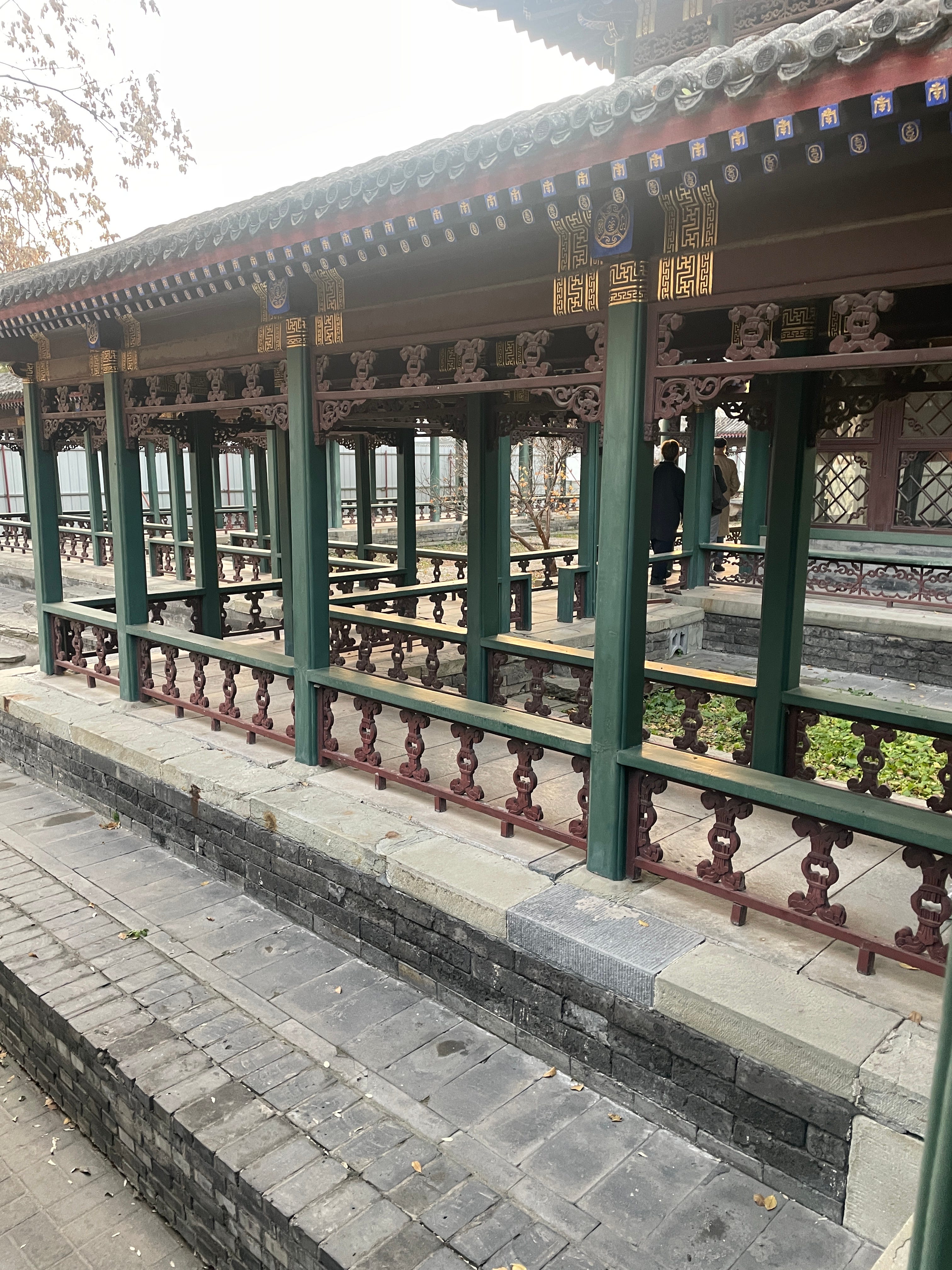
Fu Ren not only weathered the storm of World War II, it came out on top. But the new era meant the continued Chinese Civil War, wrapping up the Beijing institutions. Fu Ren students joined the revolutionary zeal of the moment, helping in mass protests across the capital and entire country. At one point, a group even confronted the then-American Rector, demanding the US remove troops from China. Well, the US did leave, rapidly the country was consumed by the Communist forces. It would be the beginning of the end for Fu Ren in Mainland China.
Along with Peking University, Tsinghua University, and Yenching University, Fu Ren was considered as one of the “Four Great Universities of Beiping.” It had the trajectory of being one of the world’s finest institutions. History does not always agree with trajectory though. And Fu Ren’s history certainly did not allow it to reach its promised potential.
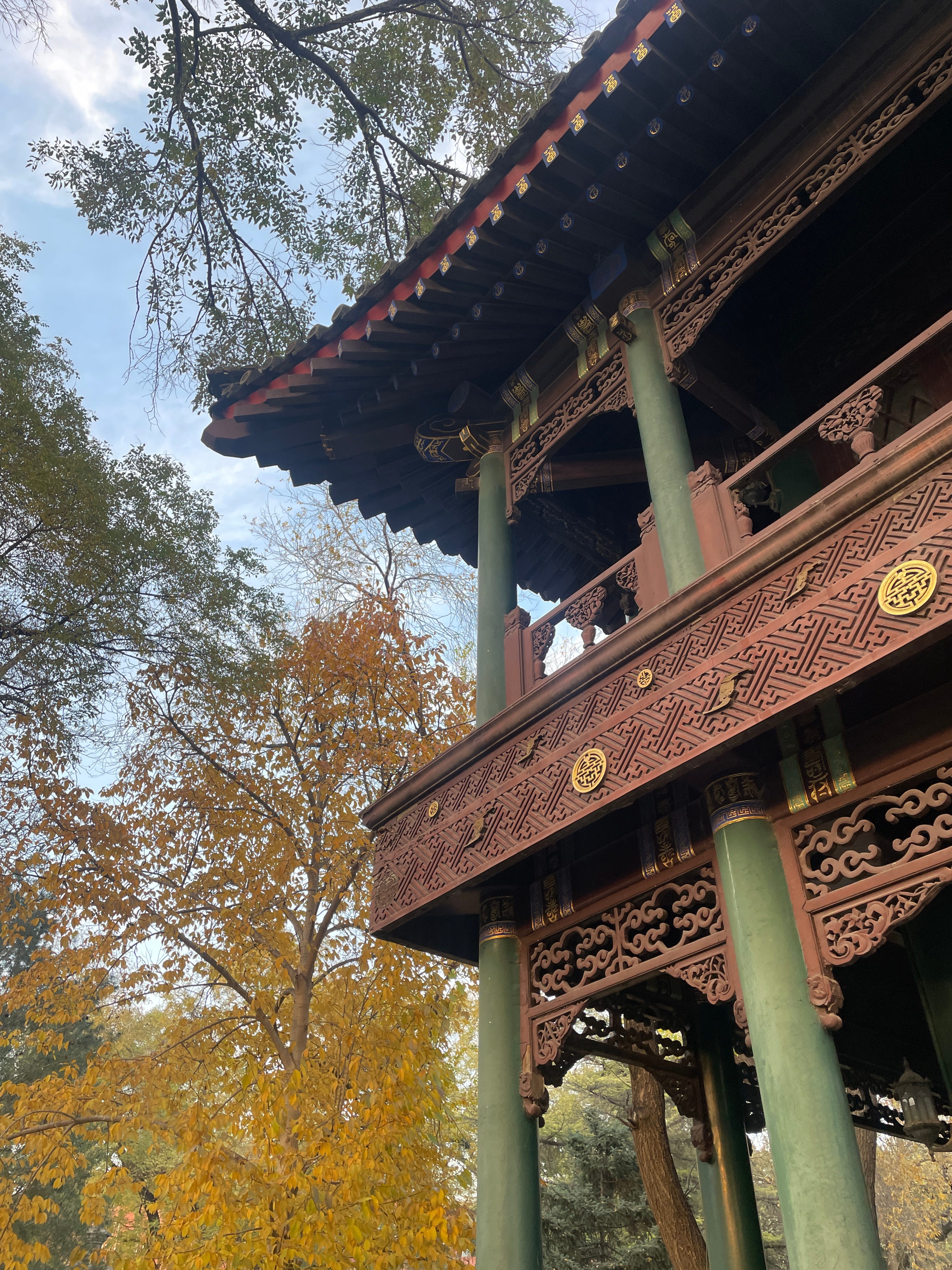
The Long Limbo
After the war with Japan, questions remained not just around what would happen to the university but also to all of China. In 1948, the American consulate in Beijing warned its citizens to leave the country immediately, prompting the school leadership to move all the university’s valuables abroad. A similar exodus was happening across institutions, organizations, and even governments across China. Chiefly, with Chiang Kai-shek’s nationalist government moving to Taiwan.
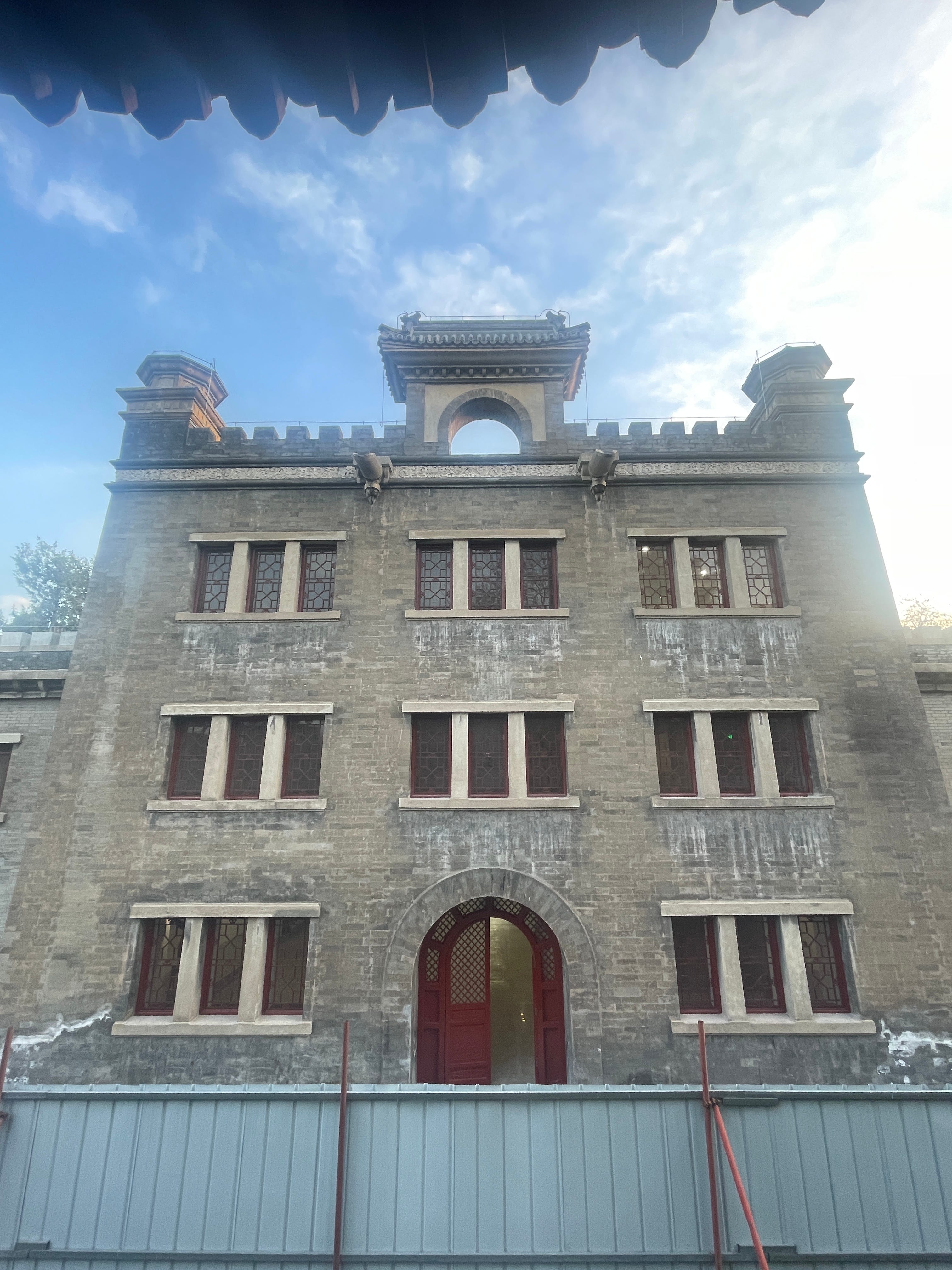
In 1949, the Communists took over China from the Nationalists, putting the future of Fu Ren into question. Indeed, the next year, the campus and college were commandeered by the Ministry of Education. It was the first private university in China to be taken over by the Communists, but it would not be the last. Zhou Enlai himself rejected the pleas from Fu Ren leadership to stop the CCP’s encroachment on its curriculum and mission. In 1952, much of the operations were merged with Beijing Normal University. Many of its students were sent to do labor in Guangxi Province under the auspices of the Land Reform Movement.
The closure in Mainland was not the end for “Fu Ren University.” In 1959, the spiritual successor to the namesake of the university was pushed to be reestablished in Taiwan by the Vatican via Pope John XXIII. The restoration was formalized in 1961 in New Taipei City. It is considered to be the oldest surviving Catholic Church-founded university in the Chinese-speaking world Its history, though, is claimed by multiple institutions. Along with the claims on either side of the Taiwan Strait, a journal that was founded at the institution called Monumenta Serica survives today as a German publication.
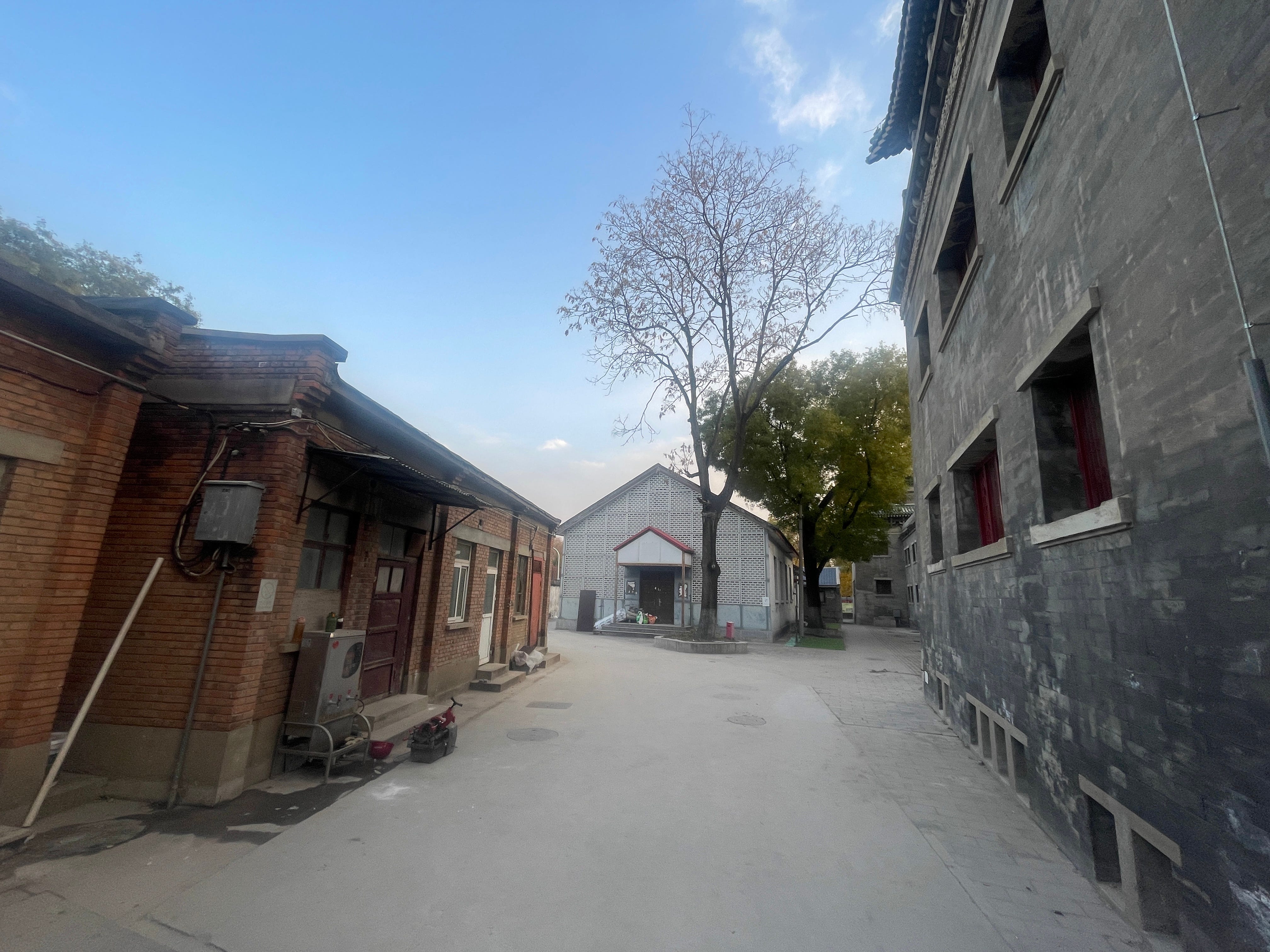
It is actually difficult to know what was happening at the campus space from the mid-1950s until recently. Much of the deep history of the space centers on the Qing-controlled era as a Princely Palace or during the Missionary university era. What is certain is that Beijing Normal took over most of the institutional legacy, including the property. Fu Ren’s President, Chen Yuan, was even appointed to the presidency of BNU.
At various points BNU’s Chemistry Department and the School of Continuing Education for Adults also operated within the space to some degree. However, it seems to have been a sleepy, quiet space during this period, far removed from the zeal of the Catholic university with thousands of students, faculty, and staff.
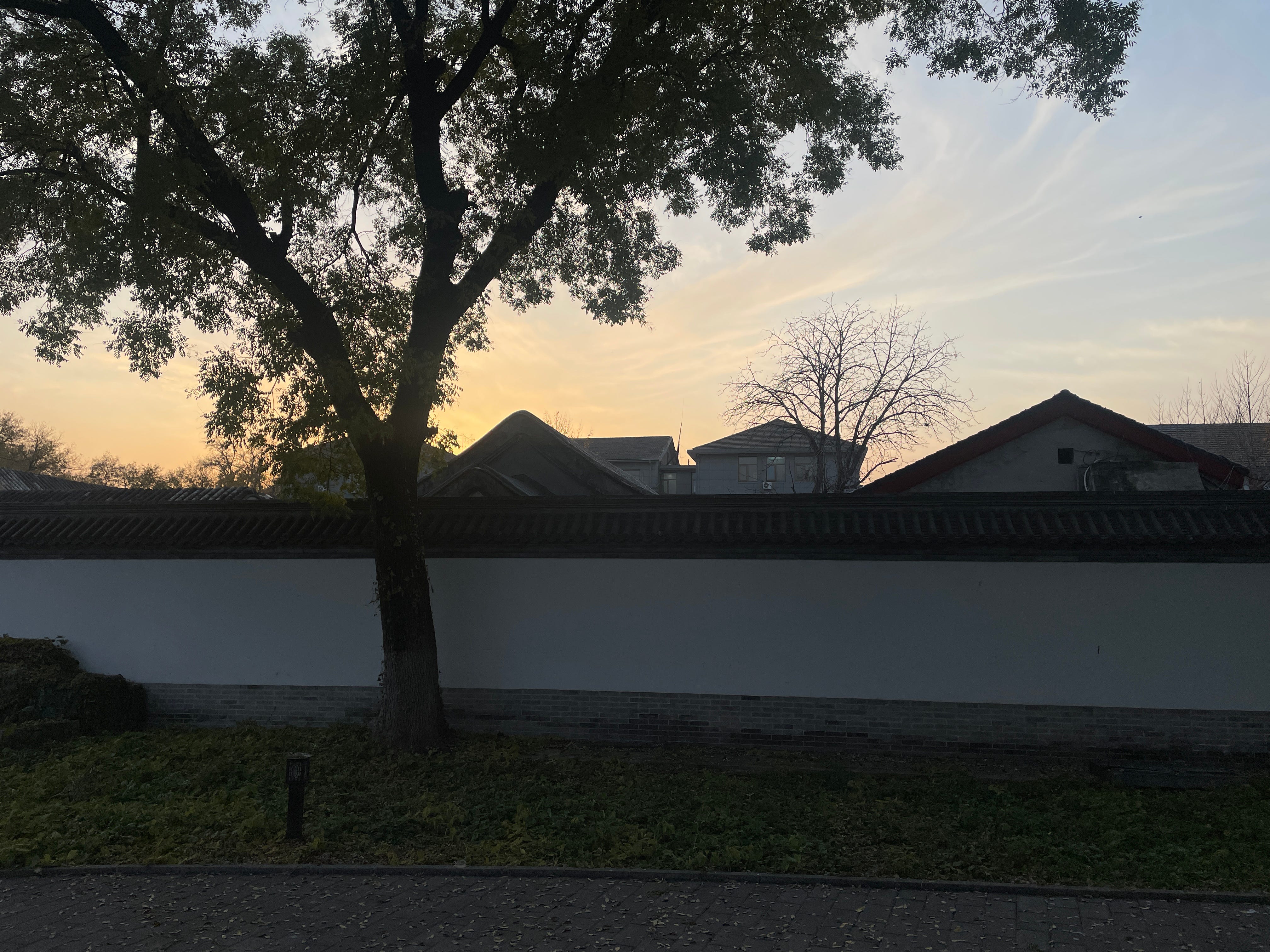
By the 1980s, after years of neglect, some buildings were starting to crumble under deferred maintenance, an ongoing issue for closed and closing colleges. It was soon designated as a Beijing Municipal Cultural Relic Protection Unit, ensuring its preservation and historical value. Apparently, since its fine piece of preserved architecture, the former campus was used in various Chinese media productions, including stunning Farewell My Concubine and long-running series My Fair Princess.
In the 1990s, as China was opening and continuing some rehabilitations of the past, the Fu Ren Alumni Association was established, receiving an office in the former college grounds. There is hope that they can continue the legacy in Beijing Normal’s new initiative in the space.
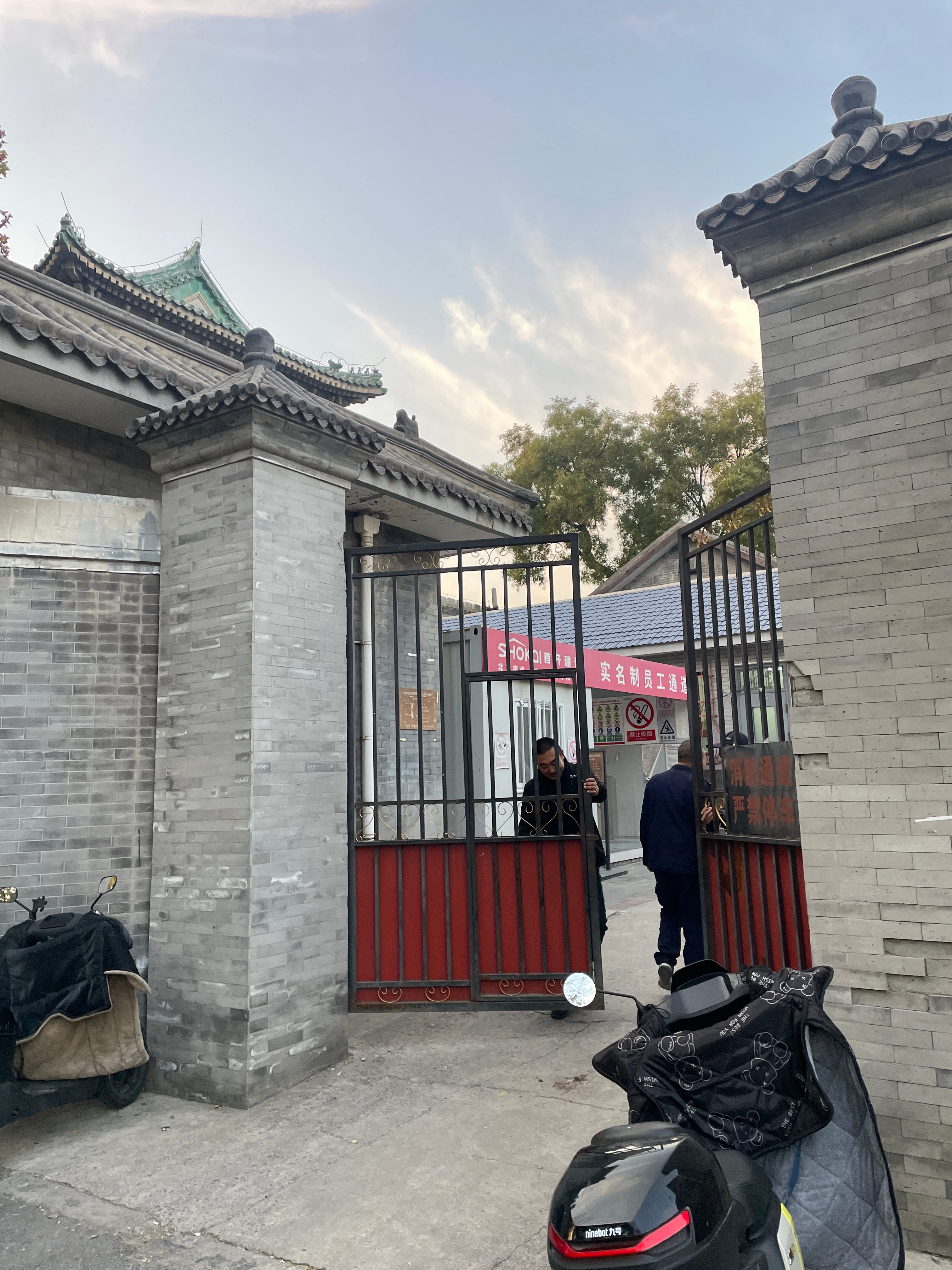
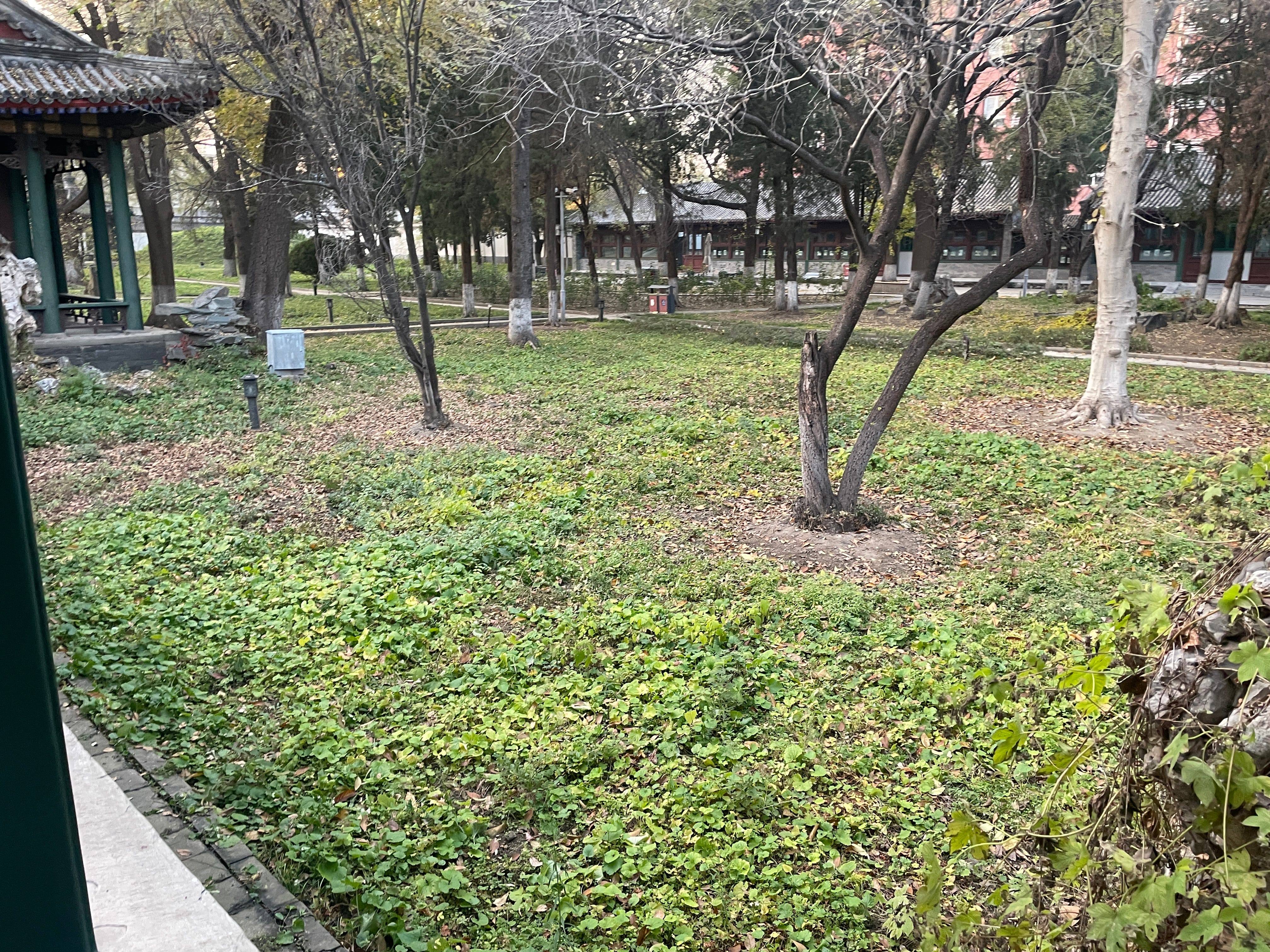
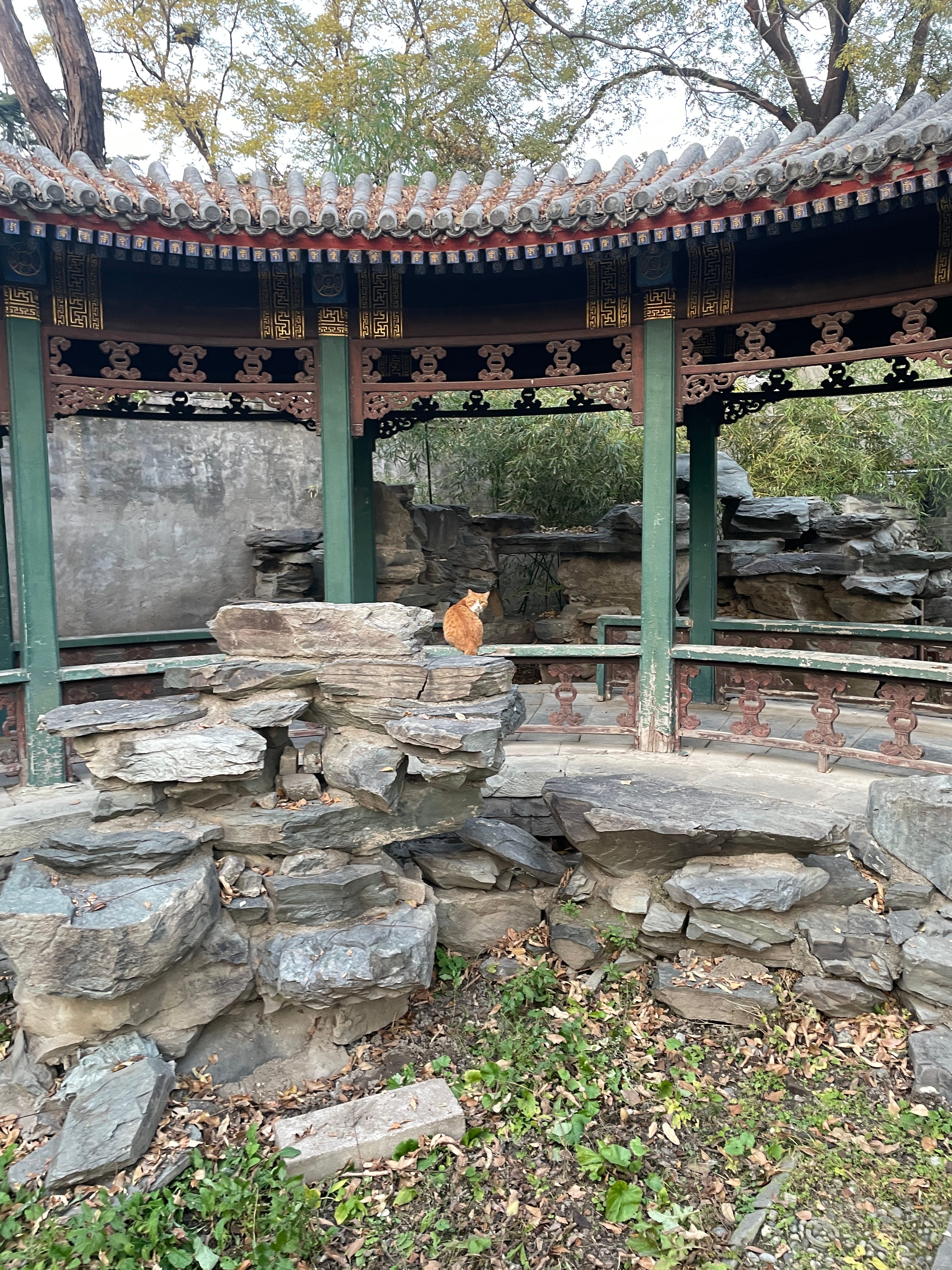
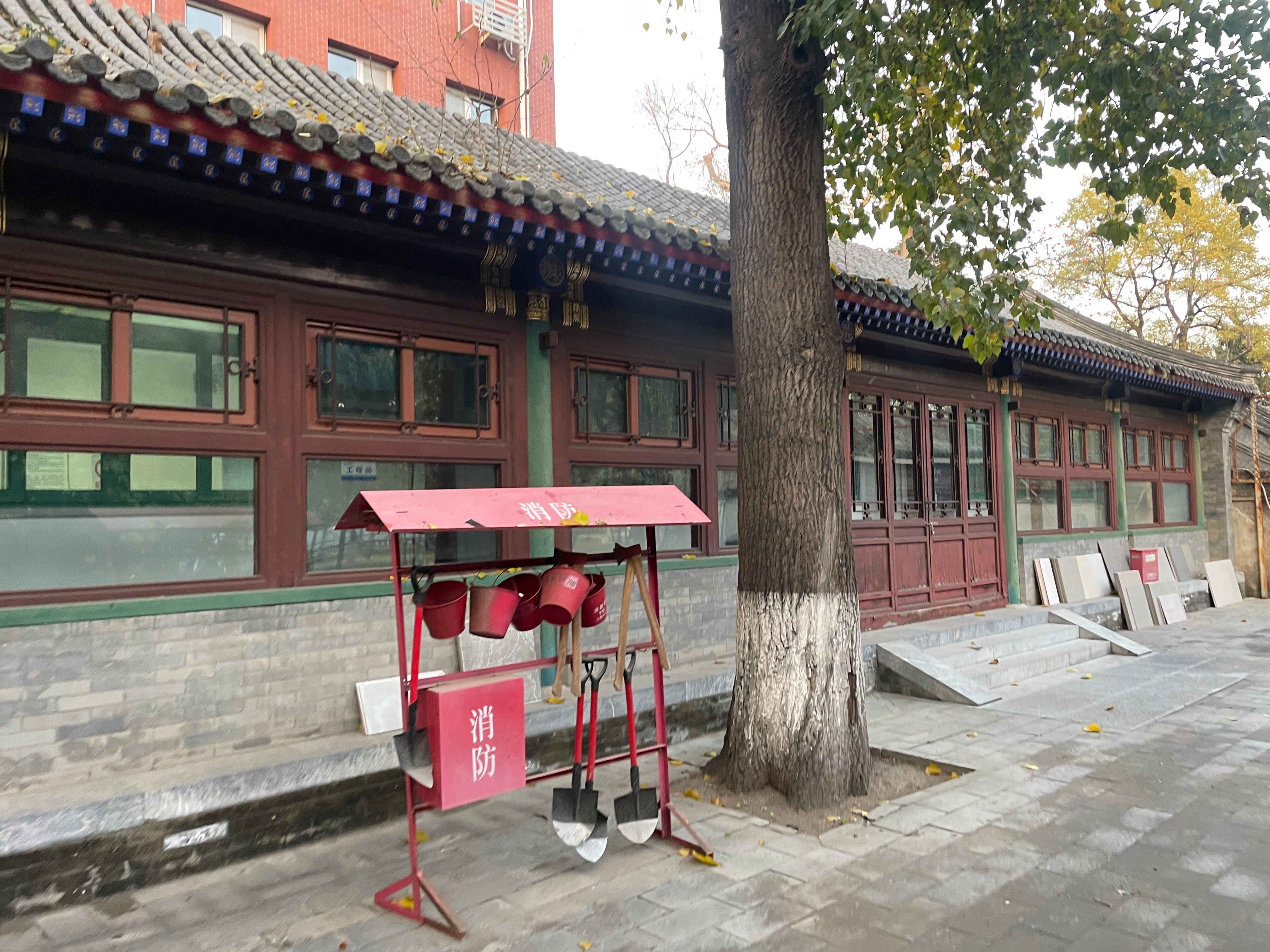
Just like on closed college campuses in the US, once the humans go away, the animals come out to play. A little orange tabby was keeping an eye on our group as we toured the facilities. No doubt that we dared disturb his kingdom. Even in a busy city, and in a very crowded tourist site (as shown below), the campus is peaceful enough for a catnap. Inside the walls, it’s peaceful. Outside, on the other hand…
Colleges as Tourist Sites
In 2013, the site was elevated to the National Key Cultural Relic Protection Unit by the State Council of China, part of a broader reinvigoration of cultural heritage sites around Beijing. These efforts mean the area now sees massive crowds just a few blocks away from the campus. Fu Ren itself has even gained popularity as a stop on the so-called “red tourism.”
Houhai is a prime tourist destination in Beijing, a massive lake, with historical palace grounds, and a bunch of bars. Unfortunately, it is pretty miserable these days. There are massive crowds all trying to walk the same narrow, antiquated paths. It was a place designed for a handful of royals, not for the masses, yet the masses came out in droves.
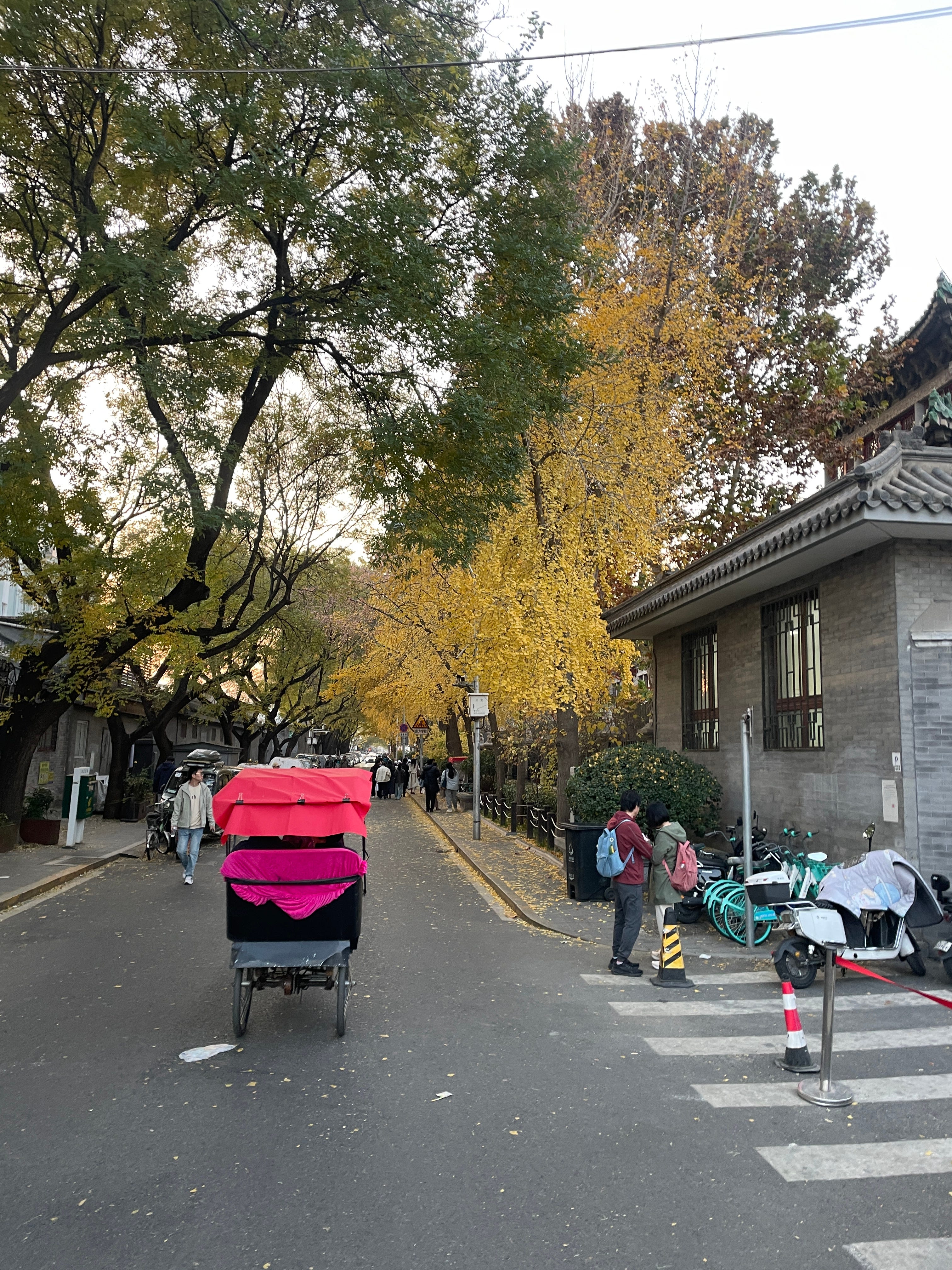
My little group all got separated in the chaos as we tried to circumnavigate the chaos. Police eventually had to cordon off streets to funnel the crowds to the exiting thoroughfare. I could certainly see some kind of terrible accident happening eventually, a la the horrific incident in Seoul on Halloween from a few years ago. Eventually, we made it through the crowded mess.
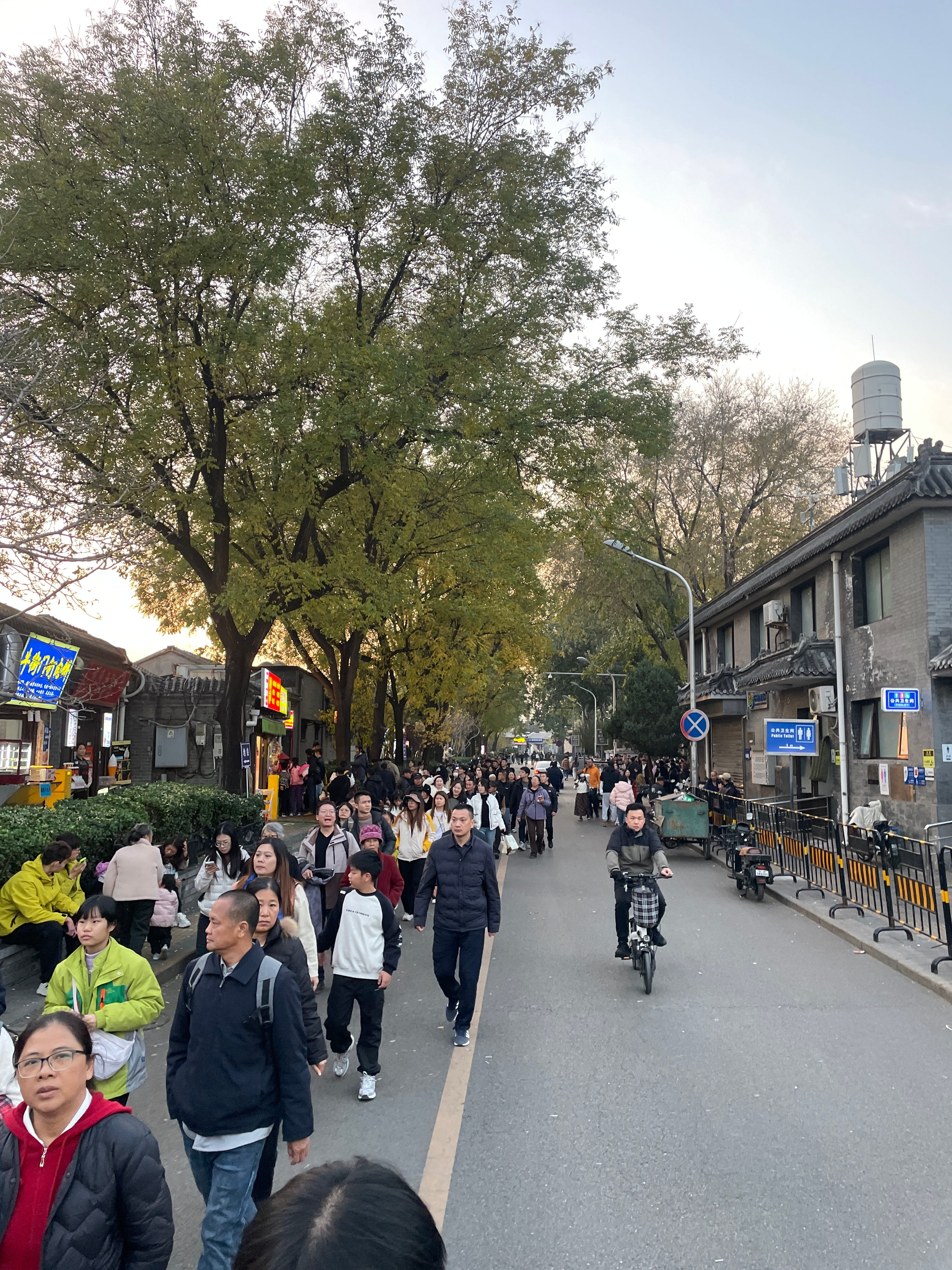
As an aside, this experience at Houhai is just emblematic of overcrowding at popular tourist destinations the world over. Not just in China, I have personally witnessed the same thing in both the US and Japan. I also hear the same stories out of Europe. But the funny thing is, just one or two streets over from the main tourist sites are relatively quiet, or at least not dangerously crowded.
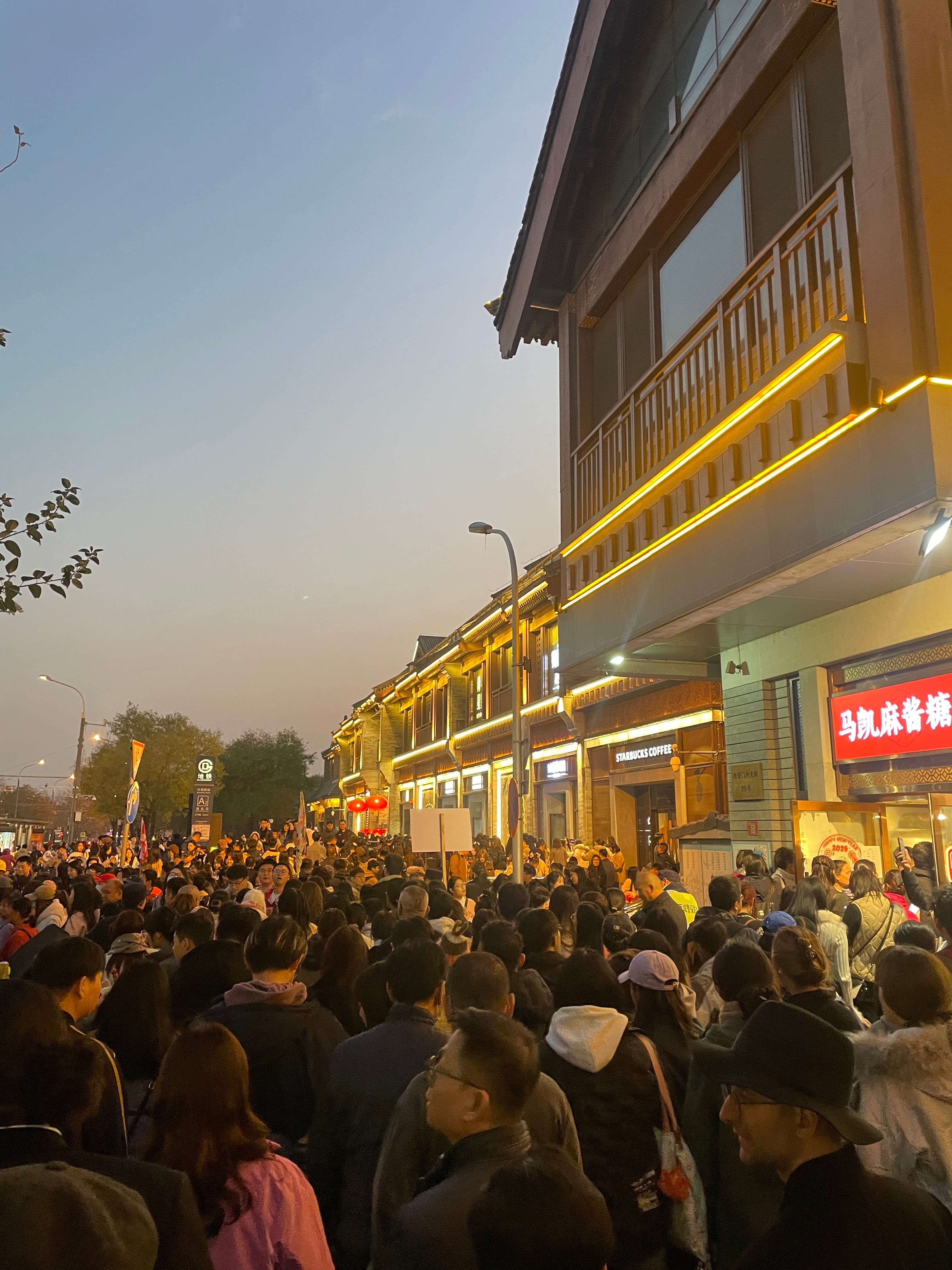
I don’t want to scare you away from visiting the old university. Going to the old Fu Ren campus and the local neighborhood around is quite a nice jaunt actually. You do not need to go to Houhai Lake area directly. The old houses and Hutong alleys where real people live are the real stunner. This is where I would suggest you go for a visit, not the famous bar area of Houhai.

Becoming Normal
In 2023, Beijing Normal University announced the creation of Jingshi Academy, an elite interdisciplinary institution that is housed at the former Fu Ren site. The Academy “centers its teaching and research around the United Nations Sustainable Development Goals,” with an Applied Master's Program in Global Development and Governance and the Nishan Confucian Studies Doctoral Program. Classes are taught in English. The university hopes to return the space to its long-running mission of elite academic excellence.
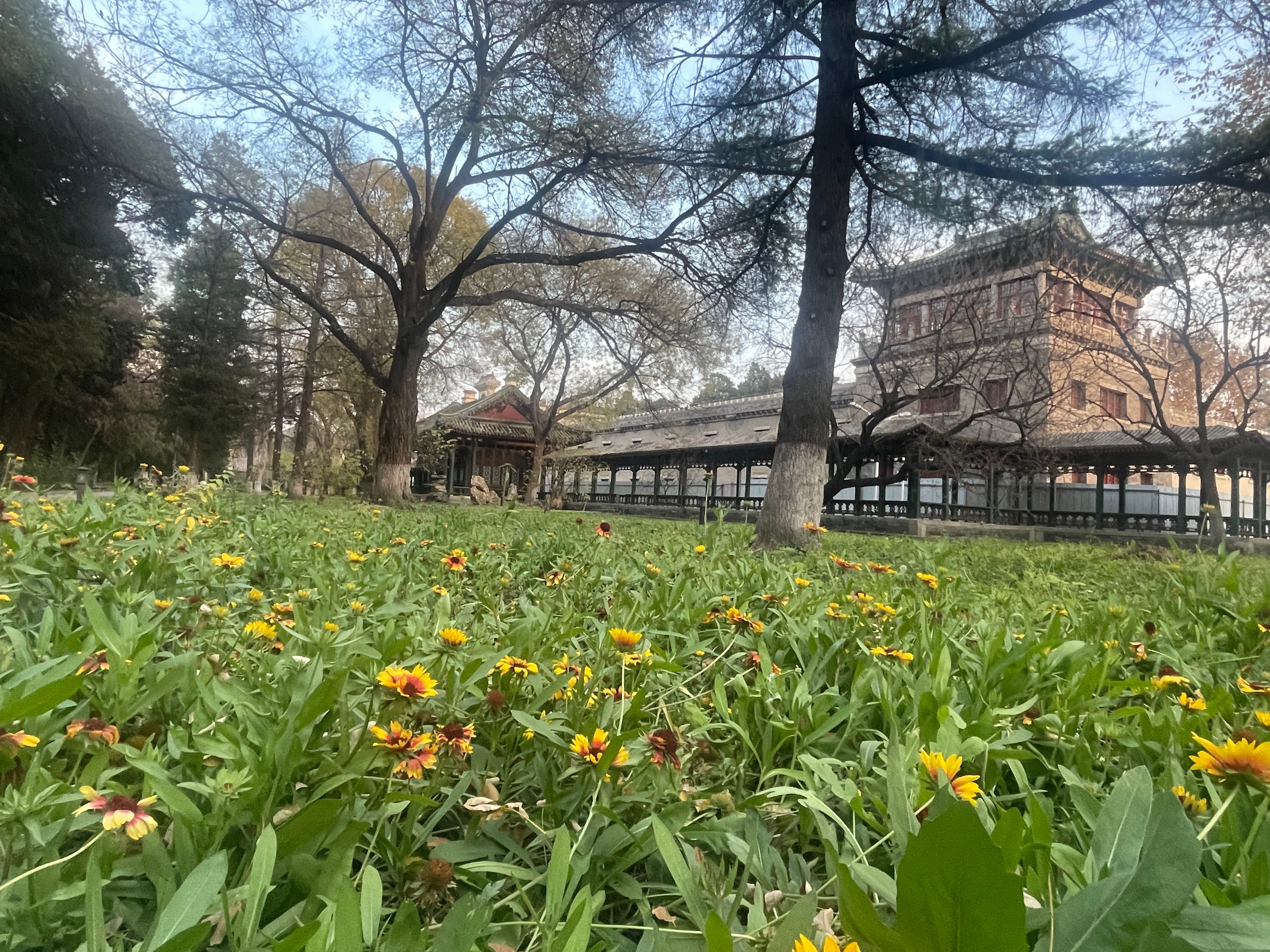
Just for clarification, this isn’t a paid ad by the university. But I am an alumnus of BNU, having done my visiting doctoral research on their main campus. So I have some interests in the ongoing activities of the university.
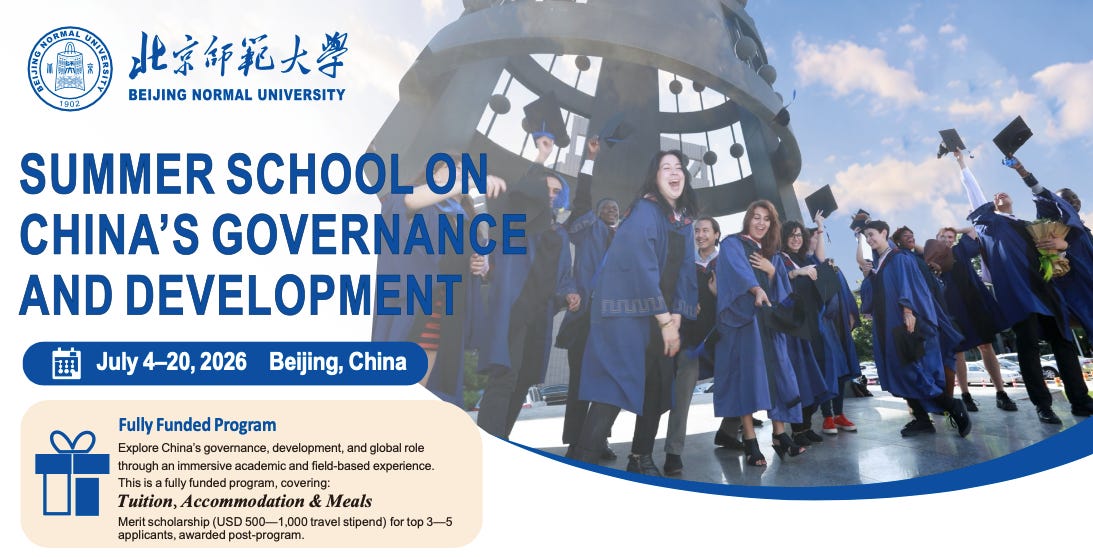
BNU is hosting an opening of the campus this summer, with Summer School on China’s Governance and Development, from July 4–20, 2026. The university will bring students from around the country and the world to the former Fu Ren U campus. This cohort will be part of the revival of high-level learning within those walls. The Application Deadline is May 17, 2026. So you still have some time!

I should note that the Jingshi Academy does not seem to have any focus on Catholic education, not in the materials that I was able to see. But the campus space itself does have some historical signposts outlining its foreign roots. I have also been told by BNU that the institution has been looking to bolster relations with the Fu Ren Alumni Association. This legacy is viewed as important to cross-strait relations.
Mapping Closed Colleges Abroad
There are stories just like Fu Ren’s across China. Shuttered institutions dot the long history of the country (see example in my book on Kuo Ping-Wen and National Southeastern University). I would love to do a mapping project of these institutions one day, especially those in the Shanghai area.
Many of the former missionary institutions were not abandoned, but integrated into national universities. Perhaps the most famous being Yenching University, which operated in Beijing from 1919 to 1952. Similar to Fu Ren, it shuttered soon after the Communist Revolution. Yet it was quickly incorporated into various other colleges, including Peking University, which took over the campus location. Peking U, or Beida as it is colloquially known, has become one of the top universities not only in China but the entire world. The legacy lives on there through the Yenching Academy.
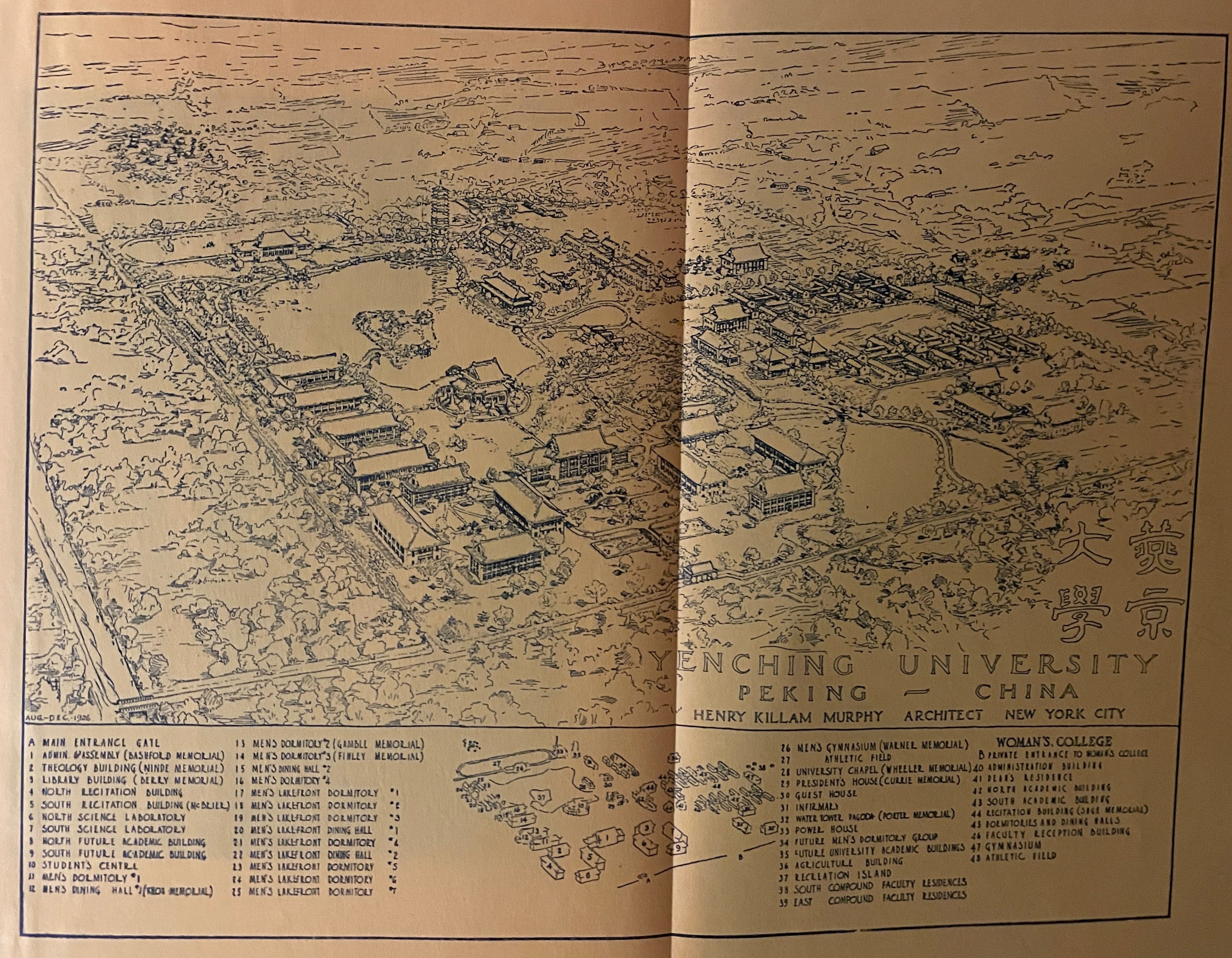
I’m fortunate enough to have an old The Yenchinian yearbook from 1928, produced by the Students’ Government Association of the university. It is a fascinating insight into life at the college before chaos ensued. There are countless other tales such as Yenching or Fu Ren waiting to be told in China. I hope to tell more of these stories in the future.
Update on 4-20-2026: added clarification of new BNU program.
I’m fascinated by your research on closed colleges and the impacts. Also a social scientist and I went to Hampshire College many moons ago.
Nice work on this