


Note: Around the College Towns is my weekly links roundup article on urbanism and education. These posts mostly cover news that may have fallen through the cracks rather than the big events.
Is Academia Only a Job?
An article in Nature Human Behaviour recently made the bold proclamation that academia is only a job. It caused quite the debate through academic circles, with professors, PhDs, scholars, and others who spent way too long in school on the opposite sides of the argument.
For me, academia is a job. But I disagree that it is just a job. For most, academia is a dream job. People basically ruin their lives to get an academic job. I am not joking. Remember the Homeless Professor I interviewed last year?

Not counting the BA, that’s a given; let’s start with an MA. This first graduate degree is likely to set someone back roughly two years and a $70,000 price tag of attendance. These programs are typically cash cows for universities, meaning students often receive little financial support and instead need to take on loans. In many cases, these programs are full time, limiting the possibility of a full-time job, leading to lost wages in the prime working age.
After the MA is the doctoral program. It used to be fairly typical that PhD programs were basically jobs unto themselves, even if very low-paying jobs. A stipend, some kind of housing, menial TA or RA duties, but a job nonetheless. Unfortunately, even these versions are going away in many fields and are instead being replaced by unfunded PhDs.
Pretty much every professor I know tells students not to do an unfunded PhD. And yet, it is becoming the most common type of PhD out there. People are willing to pay the university to allow them to do a PhD. Maybe there can be some work here and there, but things are limited (especially depending on the locale). Nonetheless, someone spends five years (or more) working through coursework and writing the dissertation. A lot of people end up dropping out here.
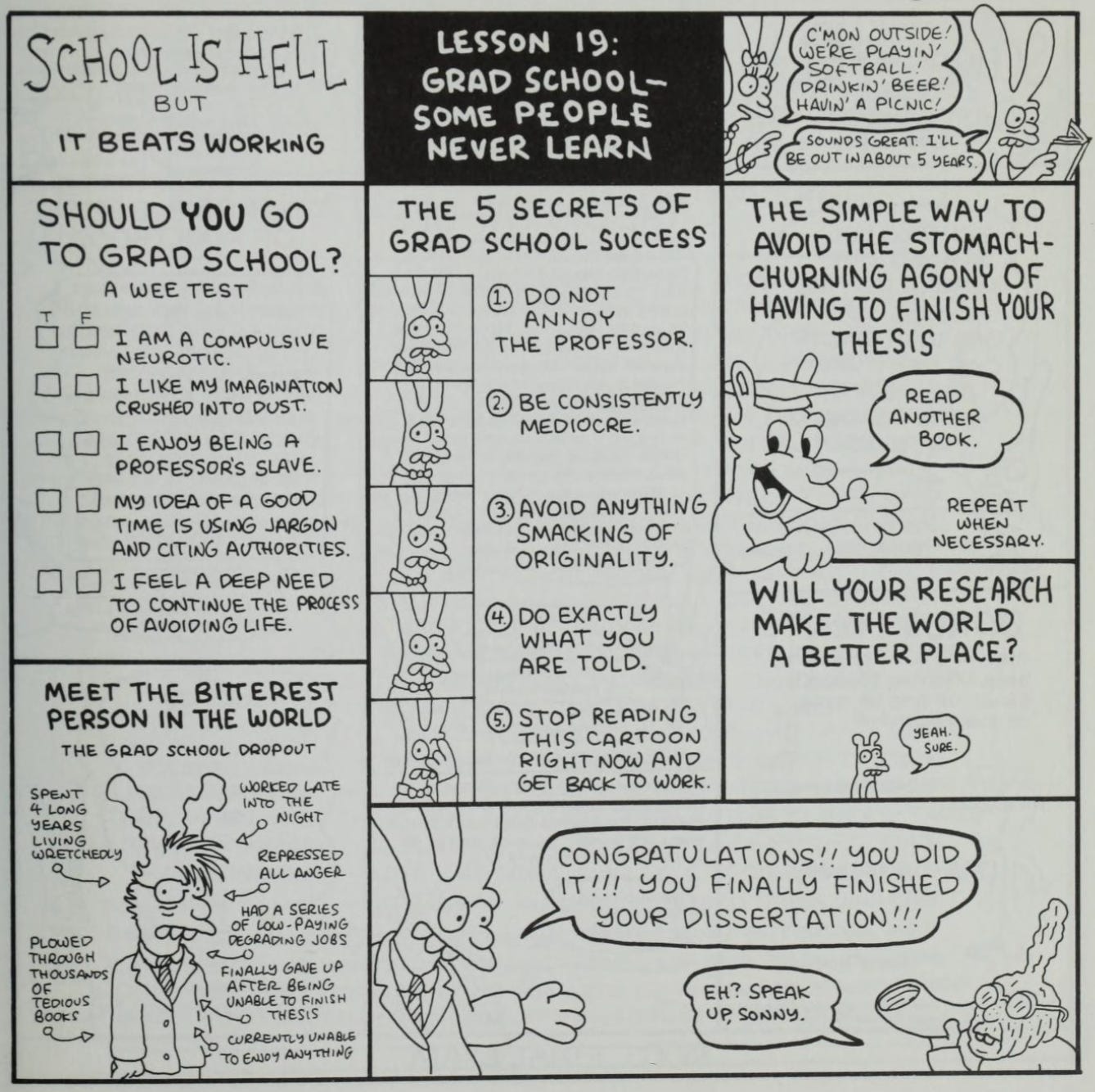
Say they don’t drop out and eventually earn the PhD (congrats, Doctor!). Dream job imminent! Not so fast. Now, they just face an academic job market that was already terrible 15 years ago, which has only gotten much much worse in recent years with budget cuts and university closures.
One of the best results is to land a post-doc, a short-term and low-pay quasi-still-a-student position that often asks candidates to move across the country (or world!). While trying to research and settle in, post-docs will still be looking for a (real) job this entire time, too.
One of the most insidious results comes from the adjunct position. Sometimes these positions get dangled with the hope of converting to a full-time professor eventually. Sorry, good luck, but so many get stuck in adjunct purgatory for the rest of their life, driving to 5 different universities just to make half the salary of an assistant manager at a local Panda Express.
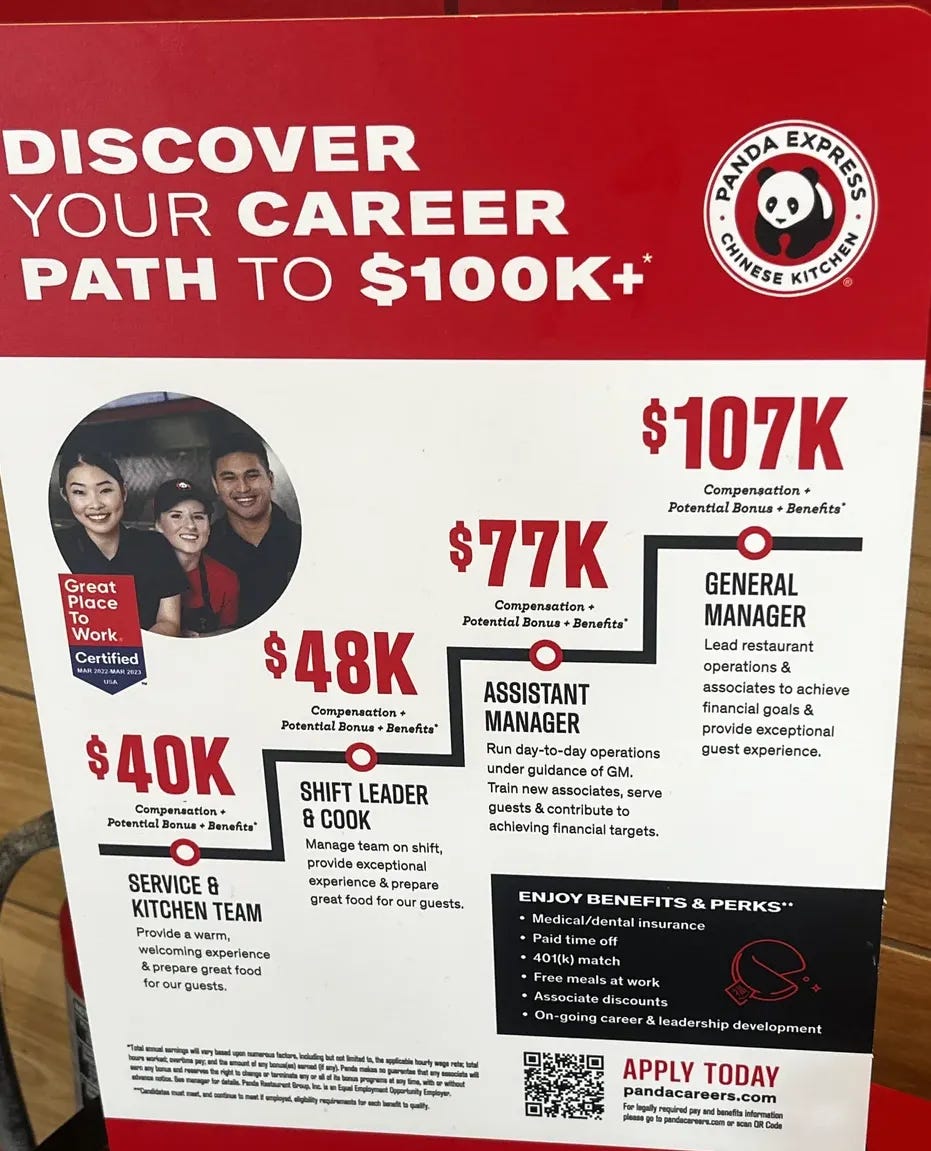
All of this is why people see it as more than a job. The pathway to becoming a professor (or even just the possibility) drives the narrative. The opportunity costs of entering academia are astronomical, and there is little guarantee of success on the other end.

Why do people do it? Because if you are lucky enough to get a job in academia, a real one with real money, benefits, and protection, then it is a great job. Yes, there are annoying things about it, but so too does every other job. It is intellectually engaging to research, write, and read for a living.
I should note that becoming a professor is not the only career with these kinds of intellectual characteristics. Even though I love my job, people have realized that there is a bigger world outside of academia (see conversations in r/LeavingAcademia). I often try to highlight those pathways like in my interview with Daryl Fairweather, PhD, chief economist at Redfin.
So, yes, I feel lucky to be able to have this job. But I know that I have had a lot of luck to end up where I am, not to mention various personal sacrifices for years along the way. It is for these reasons why I warn students against doing a PhD. The eight-year lottery ticket is too risky for just a job, even a dream job.

Links I’m Reading This Week
Education
Indian international student in China draws ire for showing off a luxury dorm. That would be an amazing facility in the US, too!
New university space in Russia is not totally ugly but also doesn’t feel like a university. Am I being too harsh?
Stamford, Connecticut, is looking to loosen zoning rules to entice university expansion, including reducing parking minimums and height limits for campus facilities. Good idea.
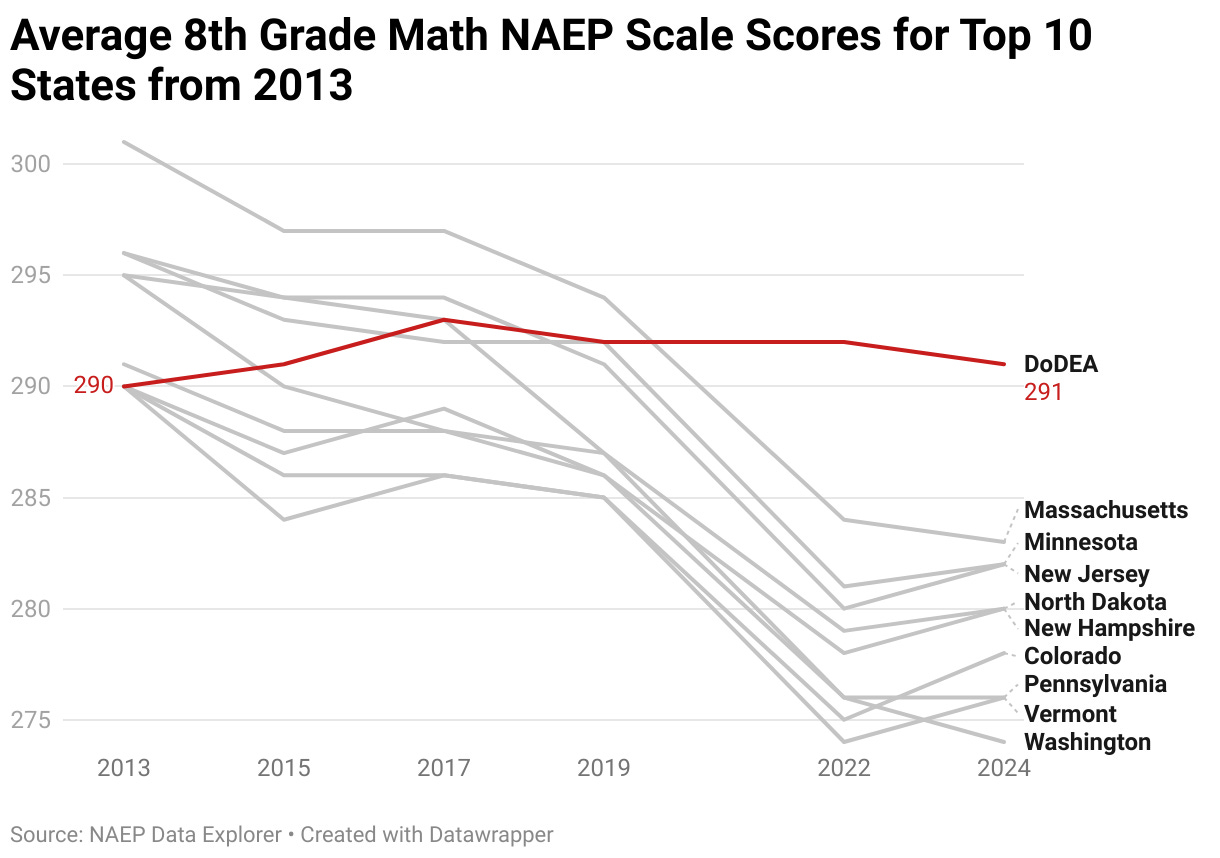
The best school system in the US is run by the Department of Defense, according to Tim Daly at The Education Daly. I may have to explore these a bit more (my guess is that a lot of this is self-selection, though).
Urbanism-ish
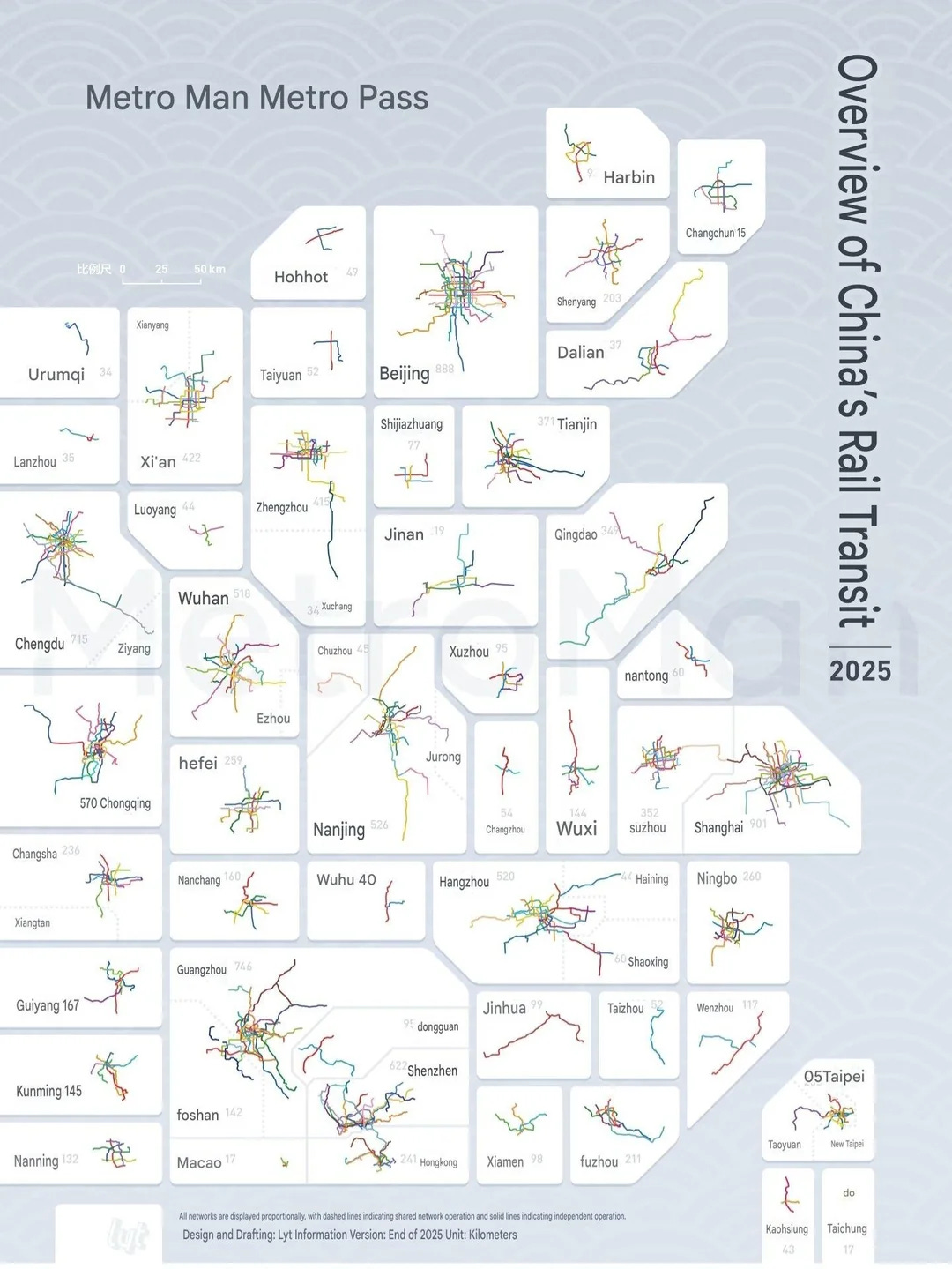
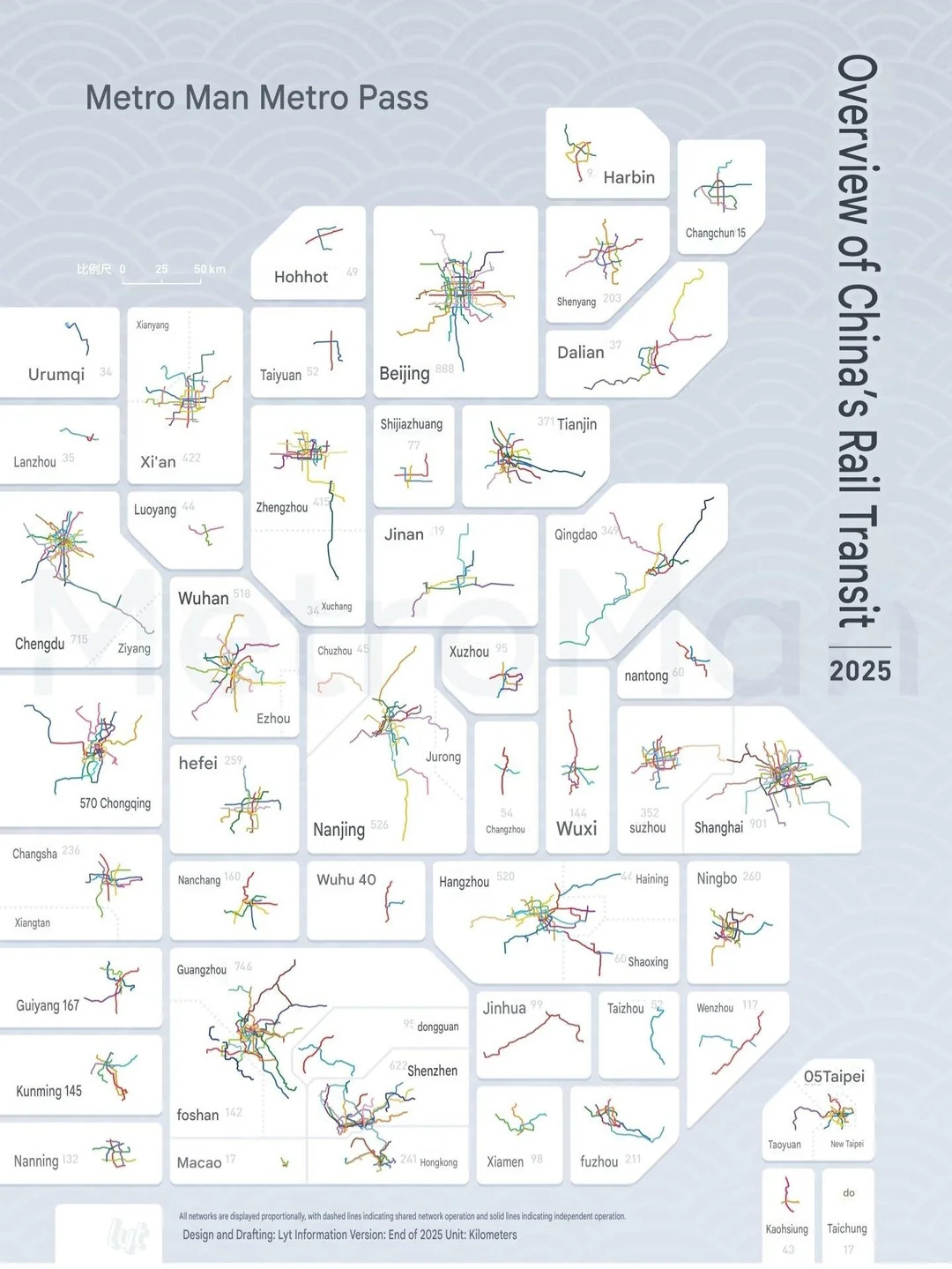
Chinese cities are launching new metro lines and stations across the nation. When I see this kind of announcement, I am embarrassed at how little we can muster here in the US.
The viral Tesla Diner sensation is now merely a ghost town. I may have to go out and see this failed spectacle myself.
Some Japanese companies are starting employee dating apps to help boost the birthrate. American HR professionals must be in shambles.
Americans are losing the Southern drawl. I lost it myself after I left Oklahoma. While I can still hear it when I go, it is certainly eroding.
San Diego recently removed some height limits, allowing for taller buildings in the city, but a court recently overruled this loosening regulation on environmental grounds. California is such a parody.
Closing Time… The End of the Class Reunion?
Over on the r/Xennials, a user tells the community that their high school class didn’t have a reunion. The post prompted a conversation about the practice of reunions. Many agreed that this practice was basically over for a variety of reasons.
The issue is social media. We’re all connected and we know who is alive and who isn’t. Everybody living situation is public.
Reunions seem a little obsolete in the social media age.
Class of 2000. Covid took out the 20 year. They had an informal meetup at a bar this year-I couldn’t find the motivation.
2001 also. A few people from my class actually attempted to organize a reunion, but there was so little interest that they had to extend an invitation to ‘02 and ‘03 grads to get to the minimum head count for the venue they were planning. Well, there still weren’t enough respondents so instead the like 10 or so people that did show up just went to a local Mexican restaurant.
This last comment mirrors my own experience. We had a 10-year reunion, but few people showed up, and it caused a lot of trouble for the organizers. When the 20-year mark rolled around, no one even bothered to try. We didn’t have the COVID excuse.
I left Oklahoma, but most of my fellow Choctaw High School peers stayed around the area. Not only do they see what everyone is doing on social media, but they just see each other in person around town. There is little incentive for anyone to plan a reunion under such conditions.
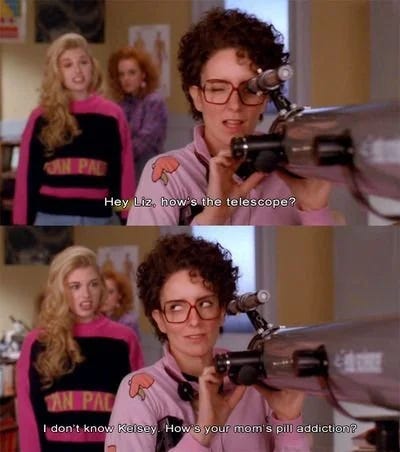
It’s sad to think that we may be losing another American tradition (this one we cannot blame on urbanism either). There have been some fun pop culture references around the concept of returning to town for a class reunion. Potentially, I need to do a deeper dive into the phenomenon, since it has long been a time-honored American tradition that is seemingly fading with the Boomers.
What do you think? Is this the end of the class reunion? Did you have one?
I haven't been to any of my Edmond North Class of '01 reunions. I don't think either had big turnouts.
But I have been to my wife's Jenks class of '99 10 year and 20 year reunions because she had to plan them since she was the president of her Senior Class. They're a slog to organize and interest is tepid which makes planning anything robust impossible. I think she did a great job given the circumstances. Kept them simple and fun. Her 30th is coming up and she's looking for someone else to take the helm. I hope she can find one.
I think there's more going on besides social media with the decline and I'd love to see your deep dive into this. I don't have social media so I have no clue what's going on in my classmates lives. And honestly, I don't have much interest in catching up with most of them. Part of me feels bad about that, but part of me is like "Well, I've got a lot of stuff going on in my life right now to keep up with them." I'm ambivalent about my ambivalence towards class reunions.
Family reunions have been on the decline as well and I think are also dying with Boomers. I went to quite a few when I was a little kid, but then they sort of stopped once most of the cousins got into high school in the 90s. The last one I did was back in 2019 on my mom's side of the family. Her boomer siblings planned it. Most of my cousins came, but we were all like "Man, it's great to see you, but to be honest the only reason I'm here is out of filial duty to my mom because it means a lot to her."
My mom keeps floating the idea of doing another one. I don't think it will happen.