


Note: Around the College Town is my weekly links roundup article on urbanism and education. These posts mostly cover news that may have fallen through the cracks rather than the big events.
Waiting in Line Was Better Than Ticketmasterification
There are two big-time sporting events happening right now: the NBA Finals and the World Cup. While what happens on the court or pitch can be electric, tickets to get into the arena or stadium have proved elusive for many fans. The tickets are just unaffordable.
The cheapest ticket to get into Madison Square Garden for Game 3 between the New York Knicks and San Antonio Spurs was over $10,000 (though it dropped to half by tipoff). And those prices are for the nosebleed, last rows. I sat in those seats years ago for 50 bucks, and I sort of felt like they weren’t worth it. This is not even to mention the astronomical prices for the lower sections, adorned with celebs and mega-wealthy.
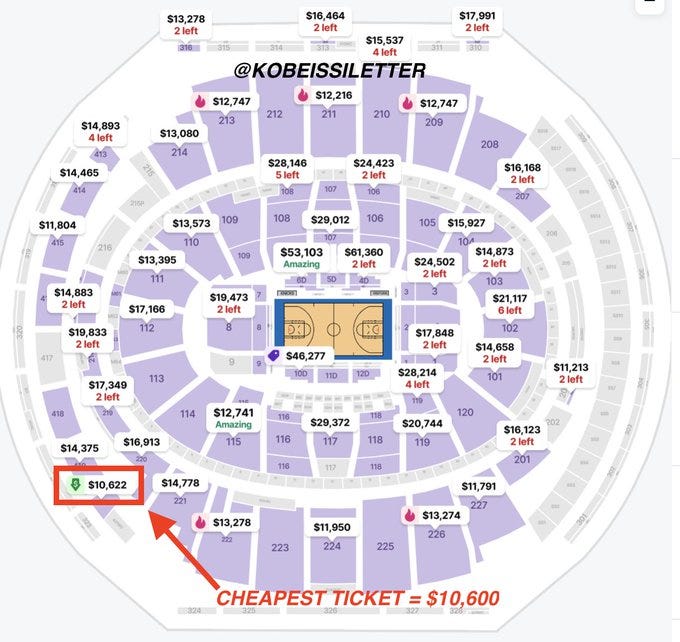
The same ticket price issue is proving true with the World Cup here in the US, which is co-hosted along with Canada and Mexico, perhaps related to pure greed from a corrupt FIFA. Nonetheless, the ticket price explosion in the US has touched events beyond the biggest. All tickets seem to be way overinflated from even just a few years ago.
Gone are actual physical tickets (although kudos to the Knicks for making an exception this NBA Finals). Instead, everything is online through third-party vendors like Ticketmaster. The promise of moving to digital and away from physical tickets was that it was easier and cheaper to run. It is true that ordering tickets has become relatively easy through these apps, but the ticket prices are just higher, including additional “convenience” fees.


Of course, part of this is just supply and demand. More people want to go to these events, so the vendors can just keep raising prices. Yet, there is more to it than just that. Hence, why prices dropped right before Game 3 of the NBA Finals and the World Cup has not sold out yet. Scalpers and third-party vendors try to take advantage of our open system.
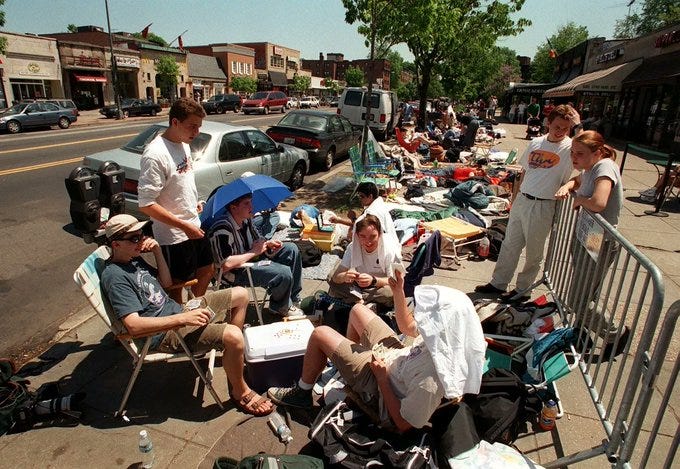
This all got me thinking that the digitization of tickets is worse than the old system of waiting in line. Up until 15 years or so ago, if you wanted to attend some coveted event, you walked up to the venue and staked out your place in line. Some people would sleep outside all night just to be early in line to get guaranteed seats. You had to really want it.
The other option was to just show up on game day, scoping for scalpers. Yes, these deals could also be shady, but it was just par for the course of doing business in a previous age. Often, you could get good deals by waiting right before the game to start before purchasing. Scalpers do not want to be stuck holding the bag. I know some venues or sports still have this tradition; yet it is becoming less common these days.
Actually being in a place raised the stakes to buying tickets. People had to invest time and forgo commitments in order to wait in long lines. We all thought this was annoying back in the day, but it now seems preferable to the Ticketmasterification of the sector. Having to wait in line physically meant there was a natural barrier for some potential attendees. But it also meant that if you really wanted to attend an event, you knew exactly what you needed to do. Wake up at the crack of dawn, drive down to the stadium, plop down a lawn chair, and wait to be one of the first buyers.
In this Ticketmasterification economy, bots or automatic buyers can scoop up a ton of tickets with the explicit purpose of resale, jacking up prices way over the listed face value. They are mostly just middlemen, taking advantage of the ease with which the phone has given us. Some performers are going to extreme lengths to prove ticket buyers are humans, like scanning eyeballs.
In the end, it turns out lining up physically like we did before the 2010s was the optimal way to distribute tickets…
Despite the negativity around ticket prices, these events are bringing out the best of humans as only sports can do. The scenes around MSG look like a circus in the best possible way, highlighting all the eccentricities in the world’s greatest city. “My Mayor is Muslim, my bagel is Jewish, my Christian’s Dior… Knicks in 4!” Times like these make me wish I still lived there.
Likewise, travelers from across the world have descended on North America, exploring all of our local delicacies. Germans gorging themselves on Waffle House for the first time or Koreans getting silly in the Mexican party scene is exactly what the World Cup is all about. Sports diplomacy! I also love that the Europeans are trying to grapple with the American summer. Yes, it’s hot, but you will find the hotel AC extra frigid.



Links I’m Reading This Week
Education
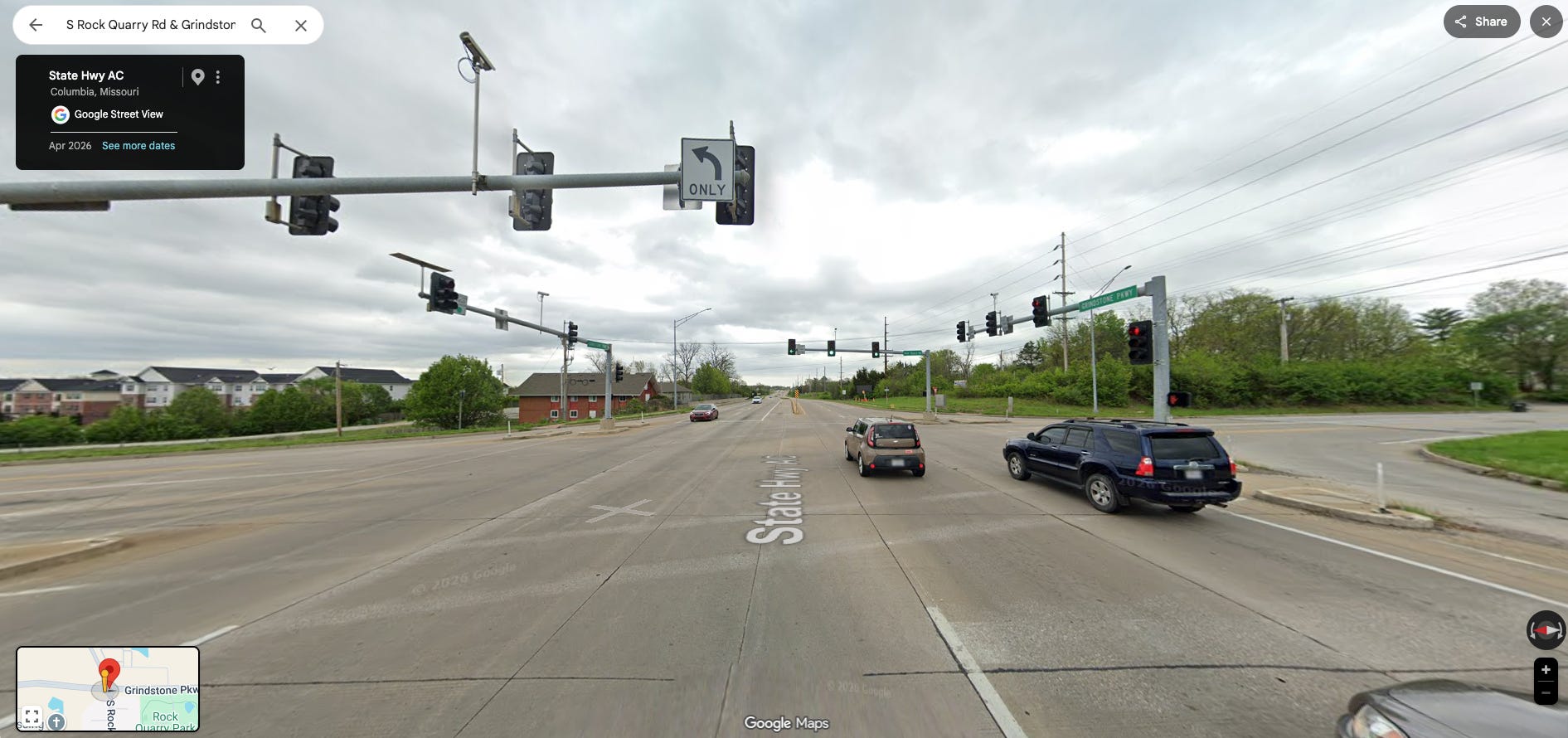
Locals are “fearful” of a student housing proposal in Columbia, Missouri, home to the University of Missouri. They are worried the housing will be unsafe and will ruin the “scenic roadway.” The “scenic roadway:”
Despite the warnings of the “Enrollment Cliff,” college enrollment has actually increased recently.
In population news from across the world, Korean birthrates rose for the first time in years.
Some small US colleges have been turning to seniors as the population of young people thins. Going from seniors to seniors!
New College in Florida is absorbing another university. This kind of acquisition is more often associated with private institutions, but the Age of Conquest knows no bounds.
MIT shuts down some of its libraries. Bummer. If MIT cannot even maintain its services, what hope is there for other institutions?
College football coaches' salaries are massive… and these are just the assistants
Children of immigrants dominate billion-dollar companies in the US.
Austin public schools are struggling with enrollment via Ryan Puzycki at City of Yes.
Urbanism-ish
Tesla Full Self-Driving (FSD) drives across the entire country of Canada without human intervention. I have been skeptical of Tesla, but this is a welcome development.
But a new report has also brought up questions around Tesla’s safety data and the company’s autopilot killed a man by driving into pond (though I should note this feature was not supposed to be full self-driving).
Despite these issues, some believe that LiDAR is on its way out of self-driving cars, meaning Tesla was ahead of the game. I’m still dubious.
It’s not just the US, a Chinese company launches a self-driving cargo and delivery vehicle line. The Chinese self-driving market is the space to watch right now.
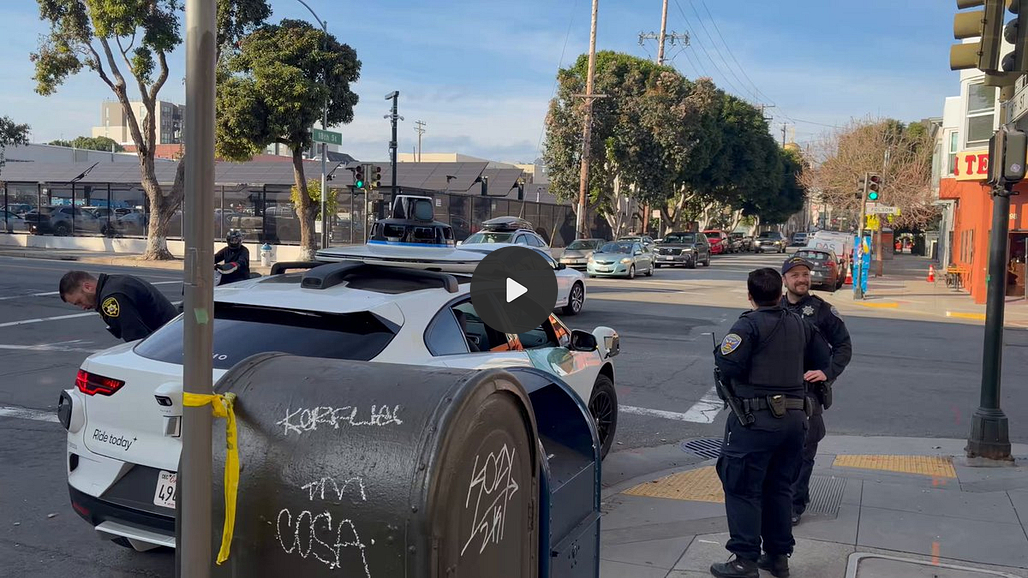
But in another example of how humans are going to ruin self-driving cars:
 armand type beat@2irl4uPSA: Do not open your windows in Waymos. I was assaulted and robbed in a Waymo in the Mission District. I was punched three times in the face and head. Waymo treats criminals as pedestrians and stops moving, leaving you vulnerable. They gave me 5 free rides tho5:43 PM · Jun 5, 2026 · 1.81M Views473 Replies · 697 Reposts · 8.64K Likes
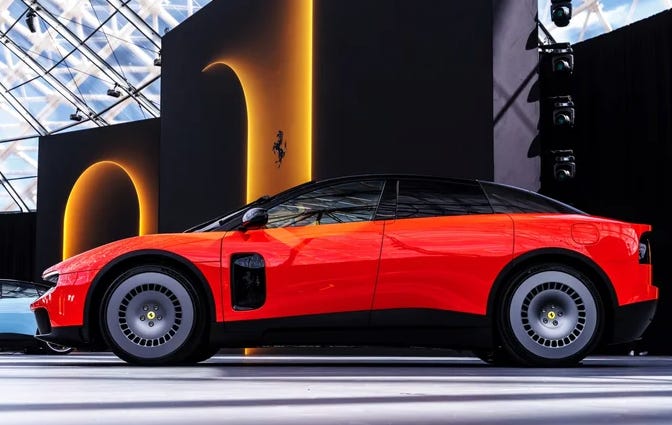
In other car news, the new Ferrari designed by Apple legend has been getting mocked on the internet.
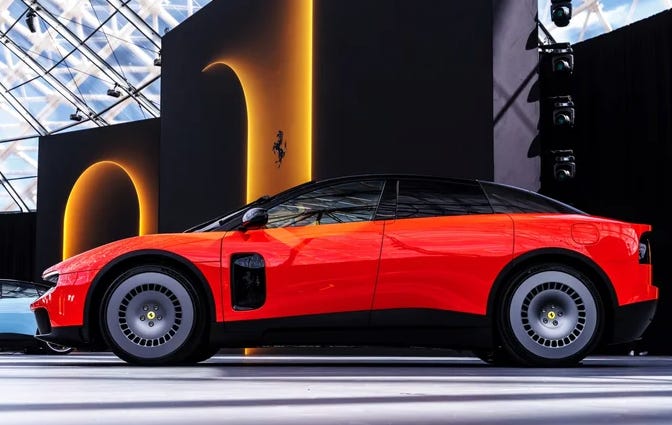
U… G… L… Y, via Ferrari. Turning to cities, the stray dog problem is so bad in Houston they are airlifting them out ahead of the World Cup
Hero goes around putting nets on basketball hoops so they are better for kids to play on.
Cities are bringing back those statues we took down in the early 2020s.
Brightline is offering extra service to the World Cup matches in Florida.
But despite success, Brightline is about to declare bankruptcy. This seems to be mostly about the debt needed to build the infrastructure; their ridership numbers are good.
In more train news, California is actually making progress in the high-speed rail line. Welcome if surprising news.
In more California train news, a NIMBY town cost California taxpayers millions of dollars and delays in train electrification.
For another idiosyncrasy of the state, 17-year-olds in California can drive their own car but cannot legally sit in a Waymo by themselves. Wild.
In the other American metropolis, Mamdani kills the Queens subway line. First bad move of his tenure?
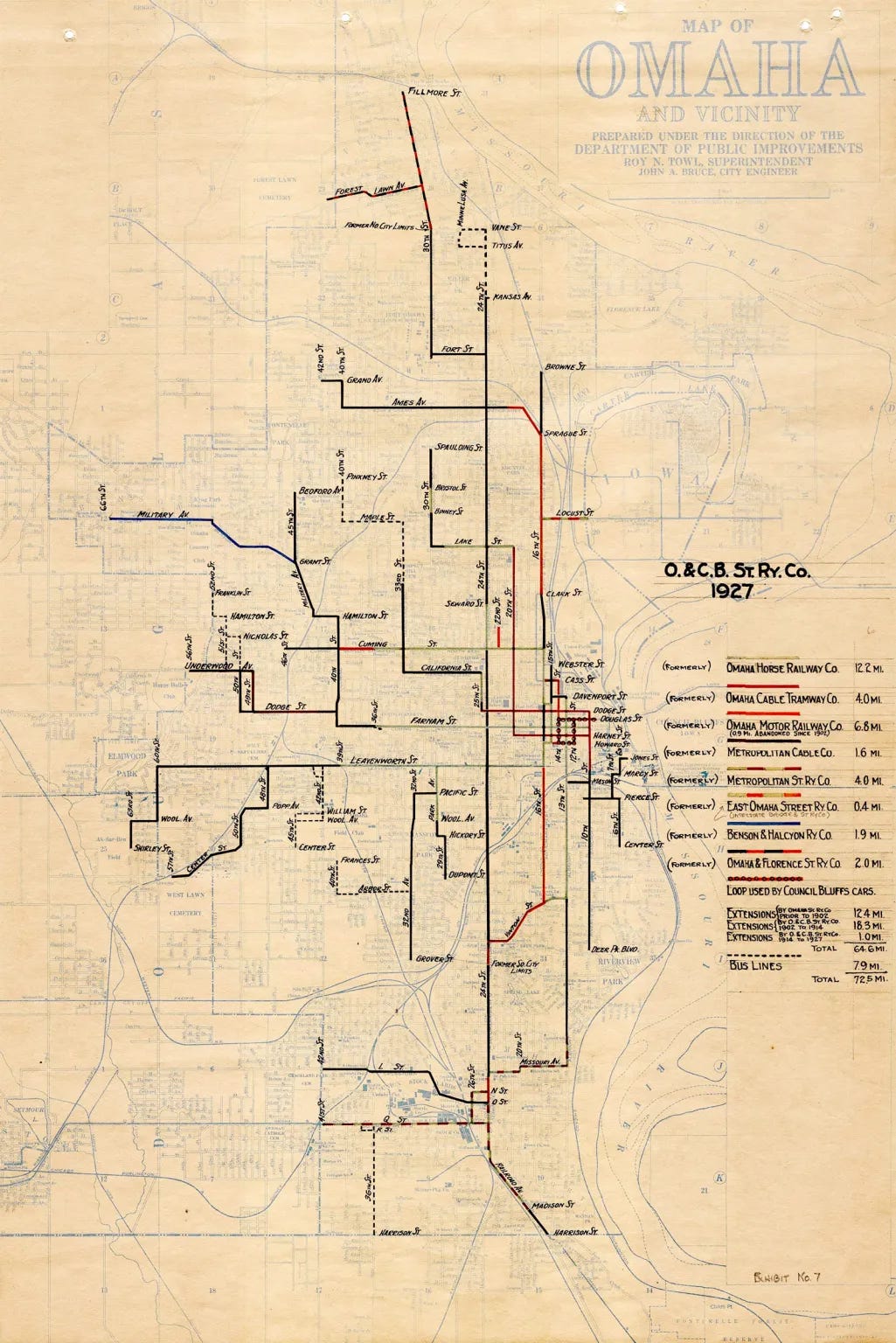
But it’s not all bad news in the rail world: Omaha, Nebraska, may revive its once-glorious streetcar, even if not to the great heights that it was.

Closing Time… Paris Syndrome in Japan
An author recently made the case that Japan is just not as cool as movies or anime. A city not living up to the imagined expectations of visitors is called Paris Syndrome, which funny enough originated from a Japanese traveler. The opening thesis of the argument in The Spectator:
Japanese cities can disappoint. Visitors stroll around hoping to be awe-struck by the dreamy spectacle of clip-clopping Geisha in their wooden geita, or barreling sumo wrestlers, or high-stockinged ninja girls (à la Kill Bill), and all against a Blade Runner backdrop, only to be confronted with mostly unremitting blandness. The constants are these: concrete, plastic, more concrete, more plastic, endless construction (one crappy shopping complex or mansion block replacing another), confusion, and noise. It can all seem dizzyingly homogenous.
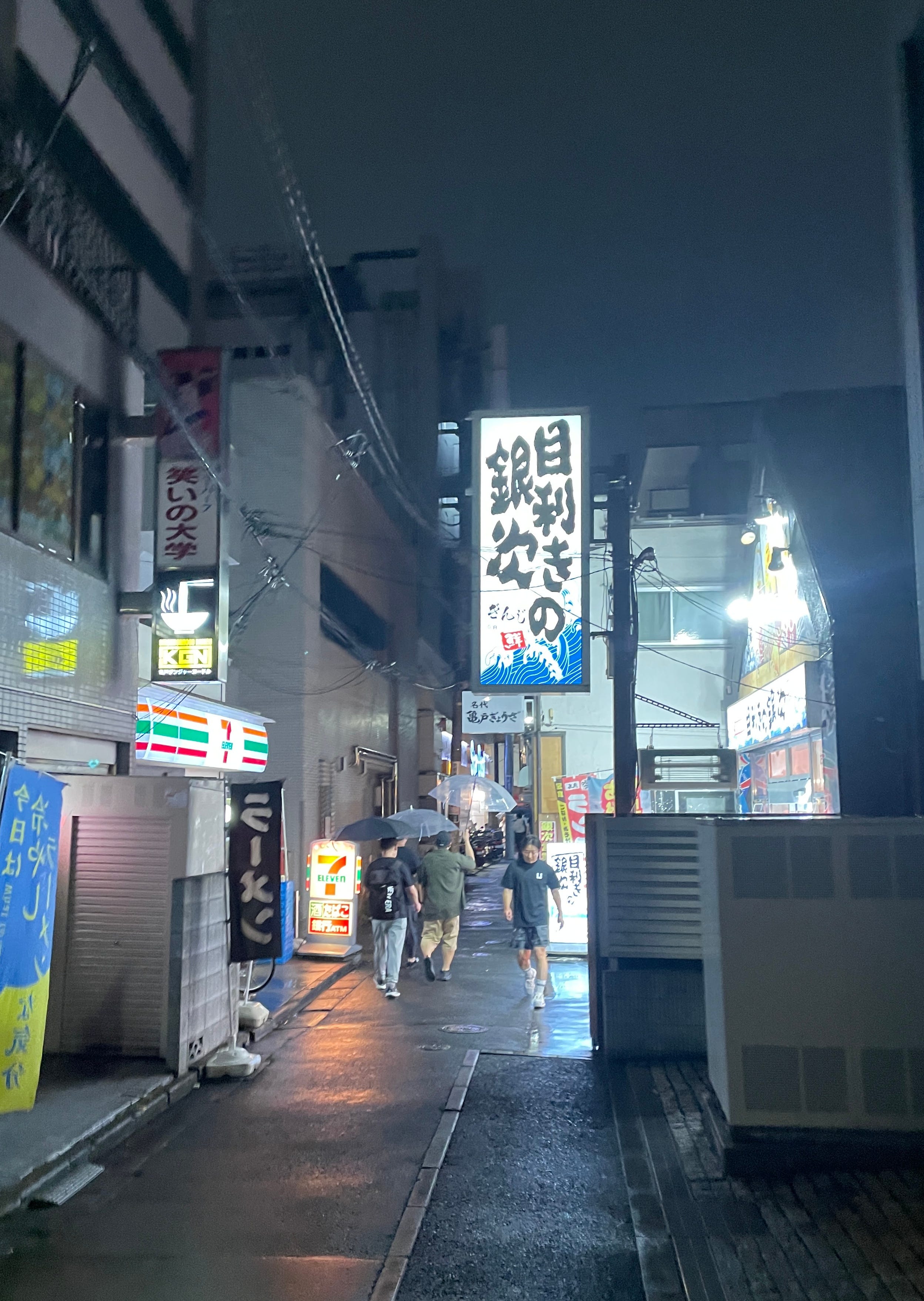
The author is Philip Patrick, a writer and lecturer at the Sophia University in Japan, so he does live in Japan. His main target of ire was towards Japanese convenience stores or “konbini.” He goes after the familiar names like 7-11, Lawson, and Family Mart, saying that he hates these “soulless, ‘non-places’.”
For this take, he has been getting dragged online. People love Japanese convenience stores, and they have taken on somewhat of a cult following. So I am not surprised by the hate he is getting, especially since he is a foreigner in Japan. Some backlash responses (some that I could share on this page at least):
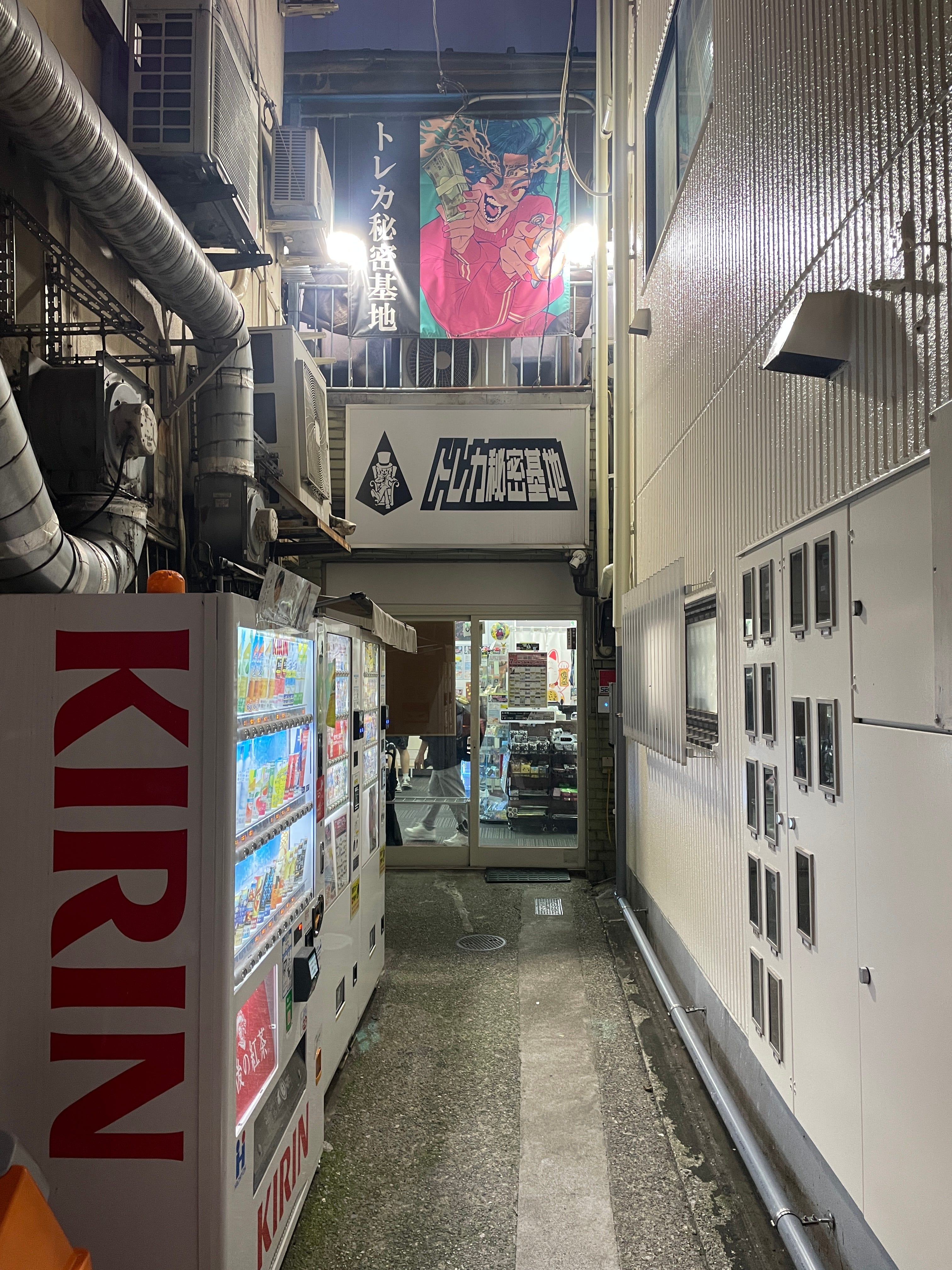
For my own take, I visited Japan last summer (see accompanying photos by me). I have gone on record that it lived up to every one of my expectations, no Japan Paris Syndrome for me. Given the tourism numbers, I think most travelers seem to agree with me, especially Americans. Americans are so gorged with banal suburban sprawl that we go nuts when we see a random convenience store or alleyway in Japan. We don’t see them as soulless, but rather as culture.
So I will have to disagree with Patrick in The Spectator. What do you think? Did Japan live up to your expectations? Have you ever had Paris Syndrome?
Regarding the Columbia, MO development, I lived there for a couple of years, and I do kind of understand finding this proposed development weird.
Rock Quarry Road has a long stretch that's quite winds through a forested bluff, and a lot of drivers go way too fast through there (it desperately needs some speed bumps).
But what's even more difficult to manage is that, in winter, it becomes properly dangerous due to its steepness, especially since the city does not handle snow or ice particularly well. Since this stretch would be on most students' route to campus, I could see the location of the development being problematic from a traffic safety point of view (and the city doesn't seem to have any plans for improving transit substantially, as most students from that part of the city drive to campus). Development would be better suited to the city's core neighborhoods that are within walking distance of campus, especially since that area of town just got a grocery store. Though developments there are unpopular as well . . .
I do think most people oppose it for aesthetic reasons, as the lot sits along a greenbelt that runs along the southern reaches of the city. But there are semi-reasonable reasons to question the location in my view.