


Editorial Note: This is a guest post in the “Summer School at College Towns” series.
Jeremy Levine runs the Jeremy's Quarterly here on Substack, where he frequently writes insightful articles on cities, political movement building, messy coalitions, and even mushroom foraging. He also graciously stepped up to become moderator at r/urbanism. I appreciate that service!
Today on College Towns, he reflects on the housing situation in his alma mater college town, Santa Barbara, California. Enjoy. -Ryan
After five and a half years away, I returned to Santa Barbara, home to my alma mater, the University of California, Santa Barbara, for a wedding. While in town, I revisited the nearby college community of my youth, Isla Vista.
Everything I loved in Isla Vista remains the same. The sunshine feels like it could go on forever, and it mostly does: an average of 283 days of sunshine annually, summer highs of 77 degrees and winter lows of 65. On a random walk down the main street on a Friday night, you can see the most beautiful woman (or man, or anyone in between) of your life, over and over again. Everyone basks in a surreal natural environment, overlooking the ocean on one side, backdropped by the Santa Ynez Mountains on the other. Occasionally, studying happens.
Yet Isla Vista is both beautiful and haunting in its built stasis: A 1970s suburb, unchanging in response to current needs, slowly decaying into the ocean. Residents deserve better, students deserve better. The pathway to meeting their needs is a microcosm of the changes that will be necessary in aging college towns everywhere.
Student Housing Situation in Santa Barbara
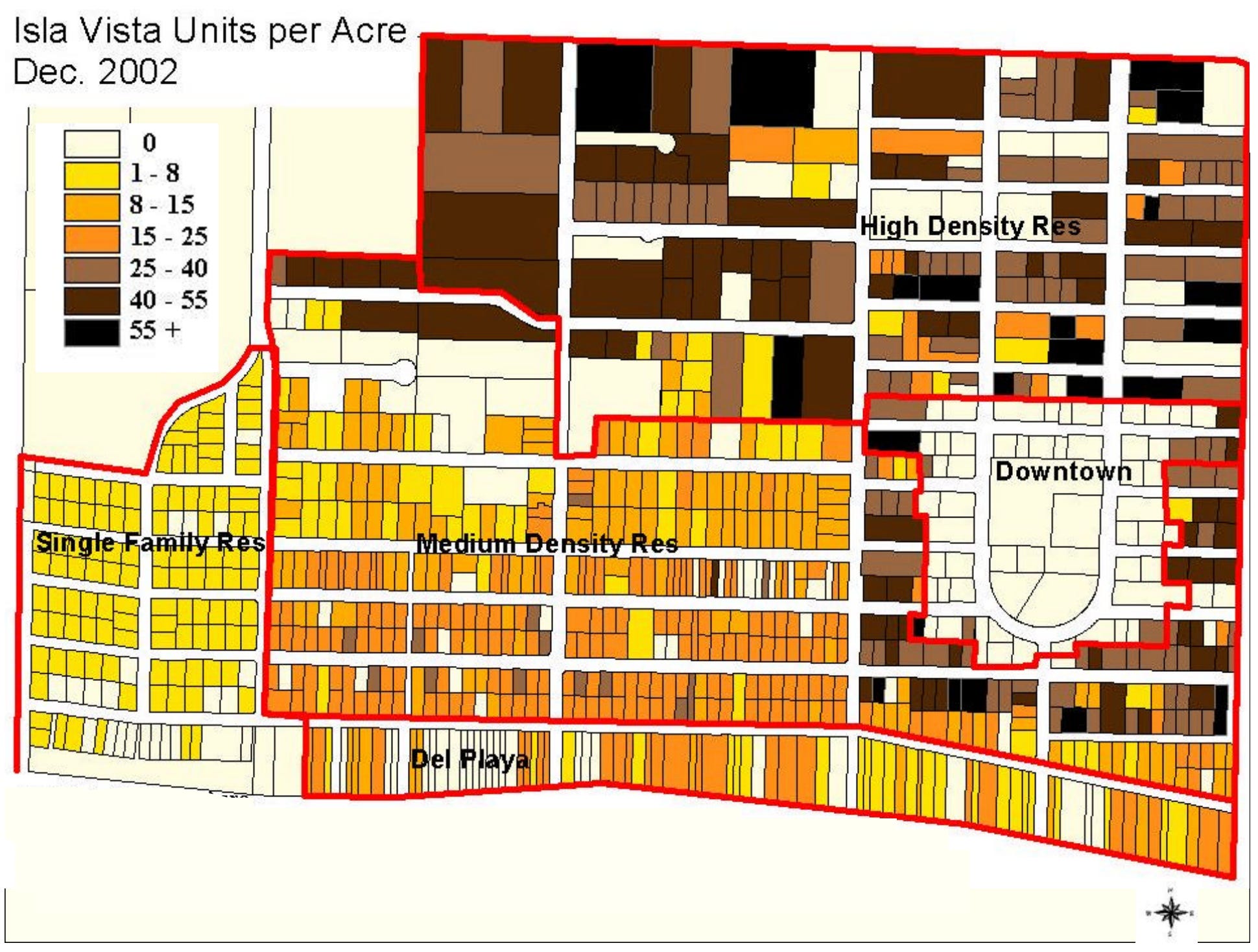
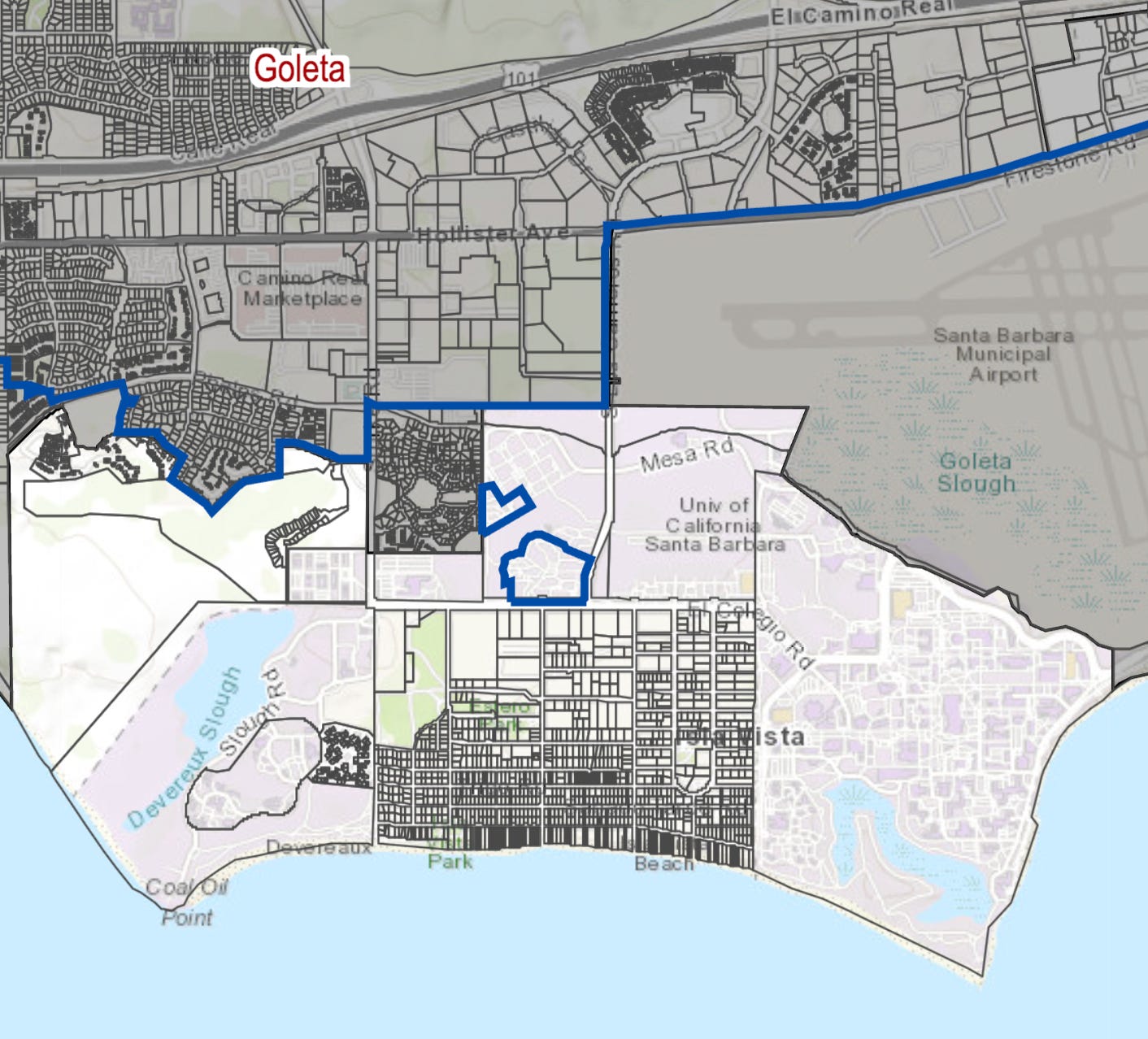
Isla Vista may be the most distilled version of a college town in America: More than 20,000 people, 90%+ college students, cram into approximately 0.6 square miles immediately next to the university. Its population density, above 30,000 people per square mile, rivals Brooklyn in New York City.
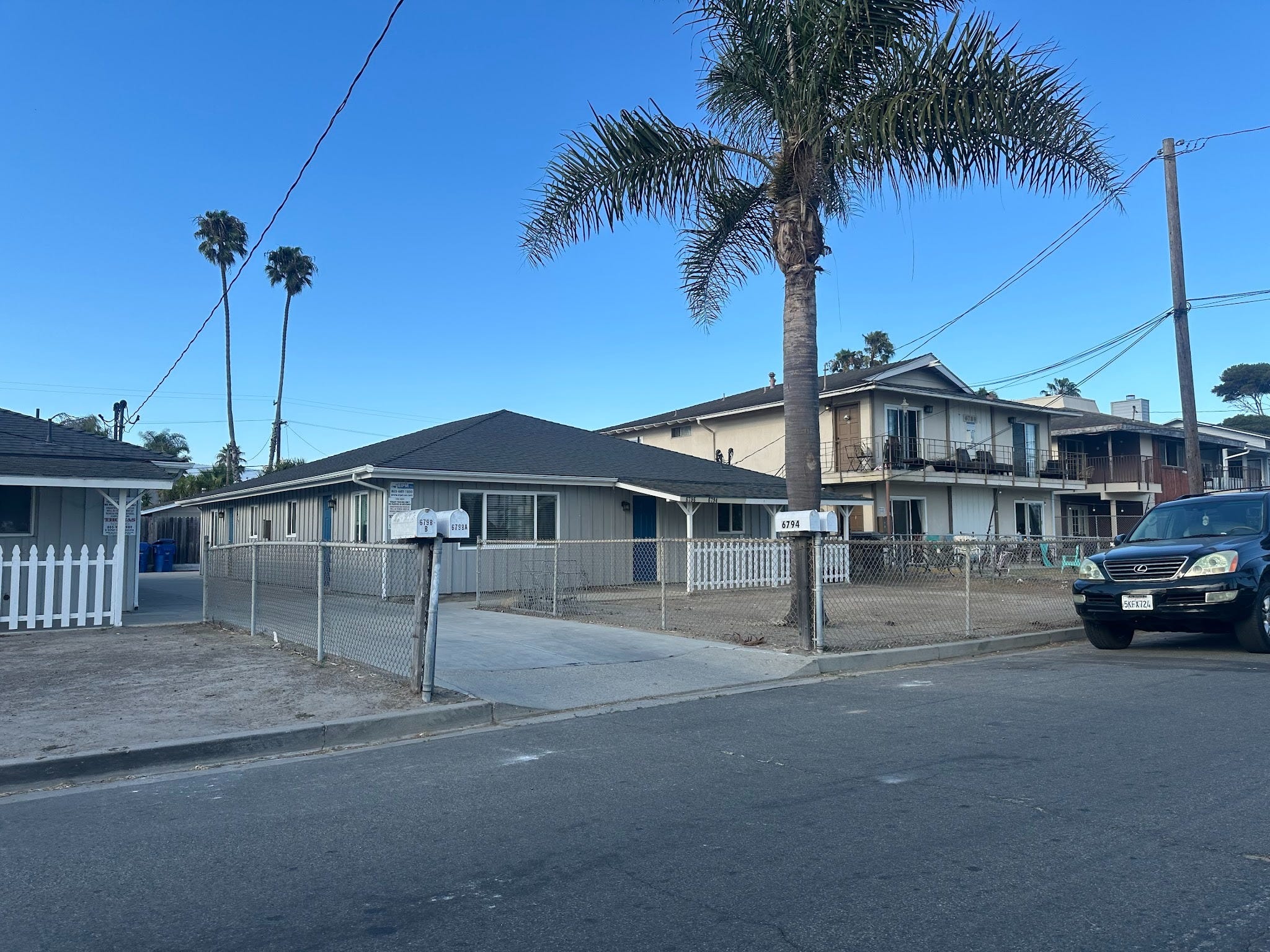
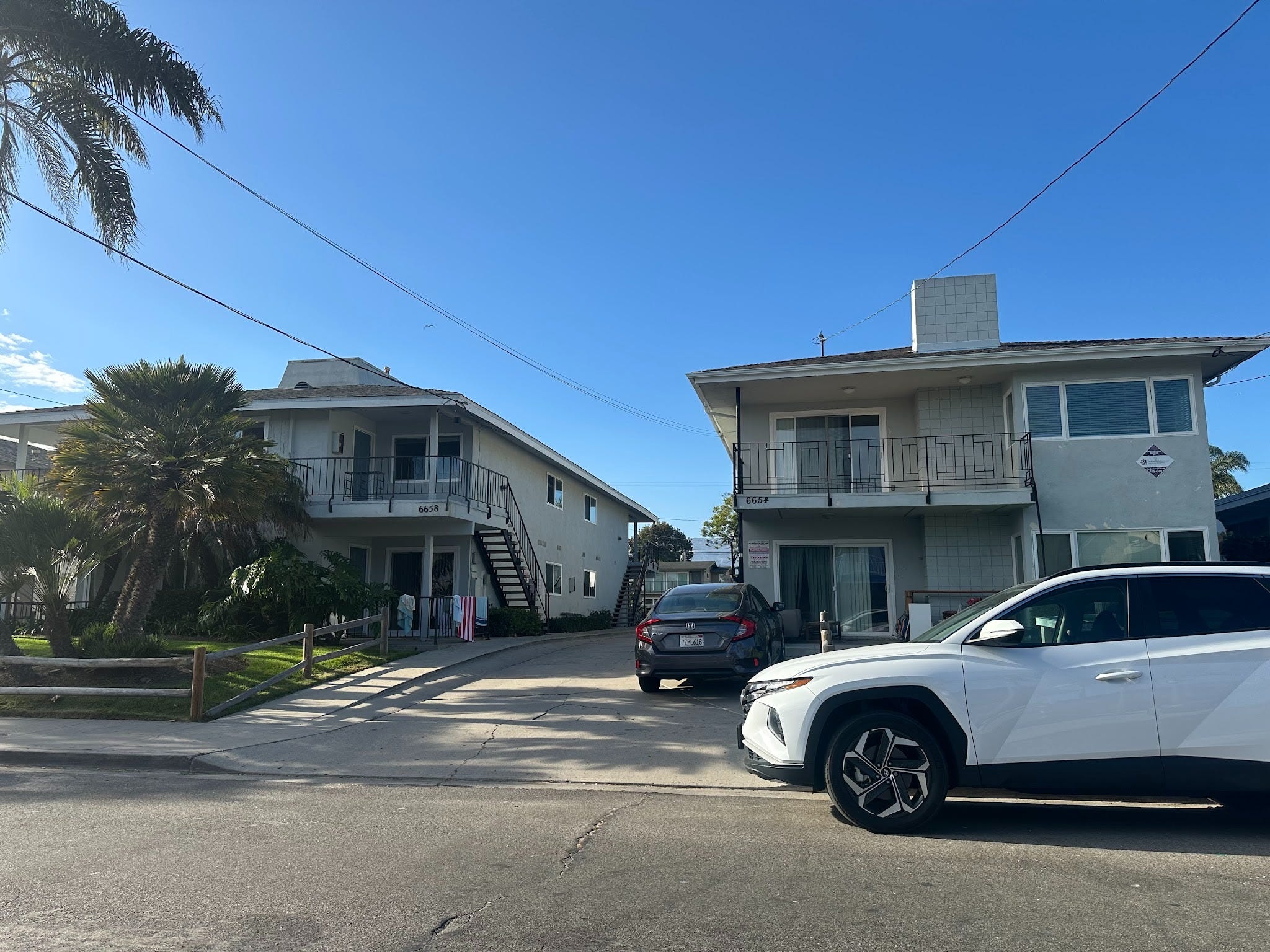
Yet Isla Vista’s built environment does not reflect its huge population. The median construction age of its buildings is 1975—more than twice the age of the median resident.
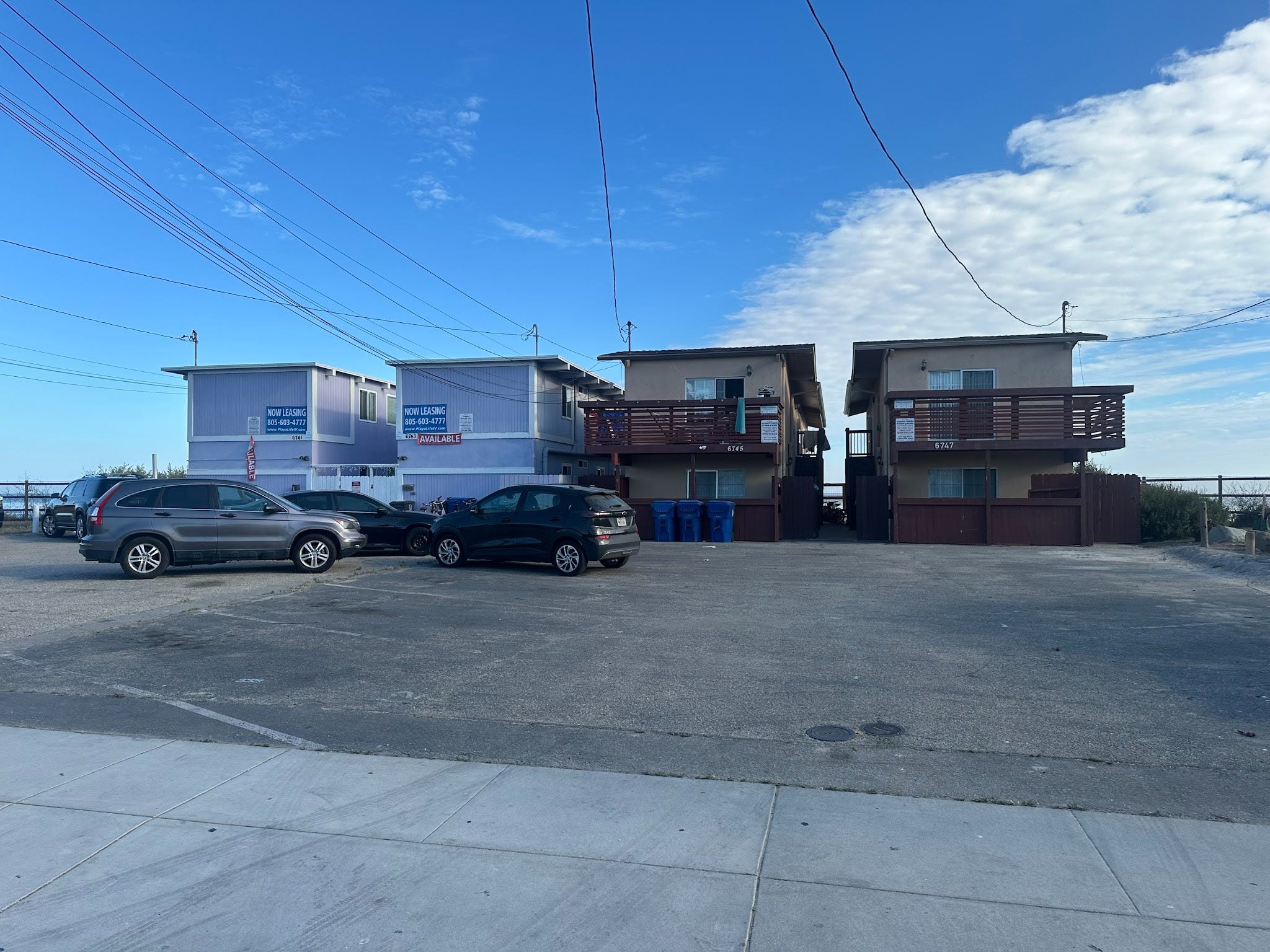
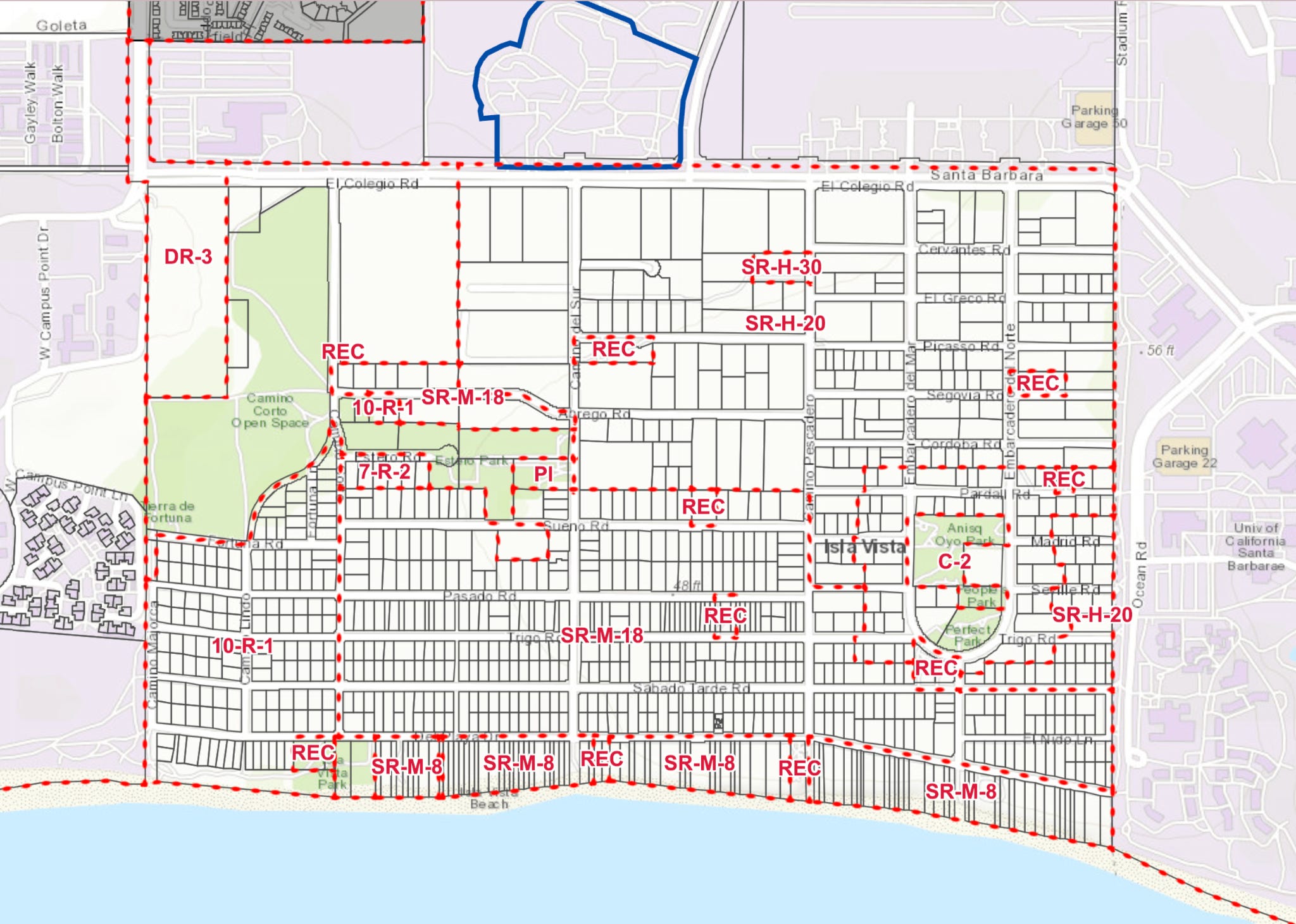
Students cram two, three, or four people into a room, paying $600-$1200 per person per month for the honor. Most of the area, an unincorporated corner of Santa Barbara County, allows one or two homes per lot. The very highest-density parcels allow a whopping 30 dwelling units per acre, 35 feet tall, and that’s only on a single lot in the entire area. For reference, this is about as dense as Brooklyn’s lowest-density row home districts; most NYC zoning districts allow buildings as tall as 85 feet with no residential density limits.
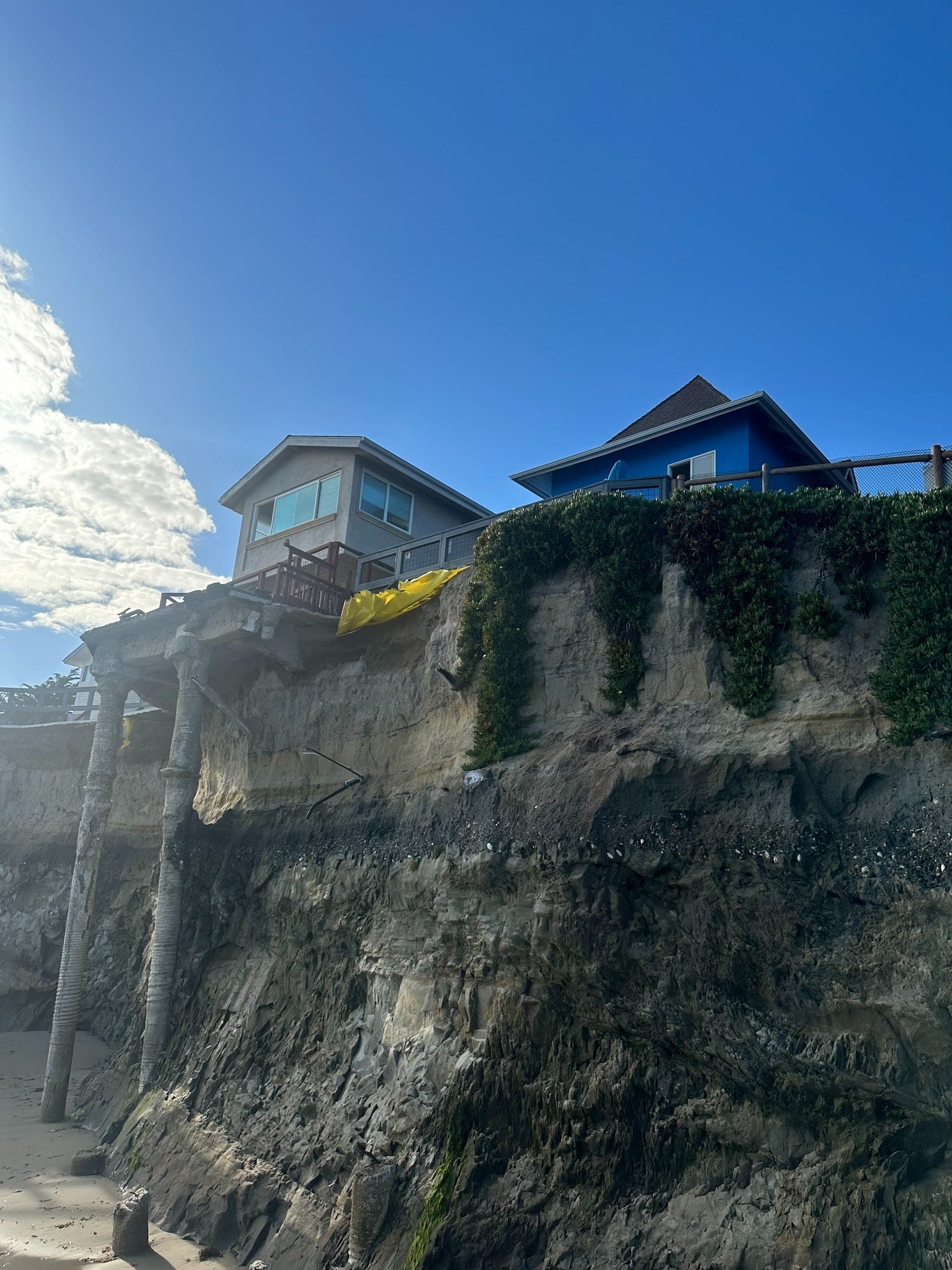
Of course, while the built environment remains unchanged, many of the beachfront houses are falling into the ocean.
A College Town Frozen in Amber
Isla Vista’s built environment may have changed very little over more than 50 years, but its population has changed a lot. Namely, it has grown. Between 1960 and 1970, during the heyday of housing development in Isla Vista, enrollment at UC Santa Barbara tripled from fewer than 4,000 students to more than 12,000. Since then, the student population has doubled again, to 26,000. But housing development froze in place in the 1970s.
As enrollment has gone up, so have rents. A median three-bedroom house in Isla Vista—most of the structures there!—rents for over $7,000 per month, $2,300 per bedroom or more. Trashy three-bedroom apartments will rent for over $5,000.
Coastal California, including Isla Vista, faces unique development challenges. Developers realistically should not build new projects directly on eroding cliffs that will fall into the ocean in the next 50 years.
But it’s equally hard to build more inland in Isla Vista, too: The notoriously anti-housing California Coastal Commission covers the entire community as well as the surrounding land owned by UC Santa Barbara, making zoning reforms to enable new development exceptionally difficult. In 2007, the Coastal Commission rejected a new Isla Vista Master Plan that would have allowed for more homes.
Today, six infill multi-family projects proposed under the Builder’s Remedy—a penalty imposed on Santa Barbara County for failing to follow state housing laws—face a similar hurdle. Three years after the projects were proposed, none have meaningfully moved forward.
Common Challenges in College Towns
Isla Vista’s fundamental challenges resemble those of many college towns: Student populations rose for decades amid built environments that could not rise with them. Even as nationwide college enrollment falls, many college towns have fallen decades behind their housing needs, with longtime residents (many of whom arrived as earlier generations of college students) restricting new development at the expense of the future.
Meeting Isla Vista’s housing needs starts with the basics. Most importantly, Santa Barbara County should change its zoning to allow greater density. Low-slung suburbs of the 1970s can no longer meet the needs of America’s college towns; Isla Vista is only unique in its setting, not its need.
Outside the areas subject to immediate coastal erosion—for locals, the southwest-facing side of Del Playa—Isla Vista should allow eight-story buildings, at the very least. Students and the housing they need are not pollution; they are an essential part of building California’s future and ensuring access to its coast.
The playbook for revival in Isla Vista extends to every college town struggling with questions about its future. As many schools grapple with declining enrollment and more and more close up shop entirely, communities will have to choose whether they want to cling to a dying past or build a brighter future. Even if it doesn’t build, Isla Vista can coast on the gravity of an expanding UC system and its proximity to the actual coastline, forcing its students into ever more dilapidated and expensive homes. Other college towns don’t have the same luxury.
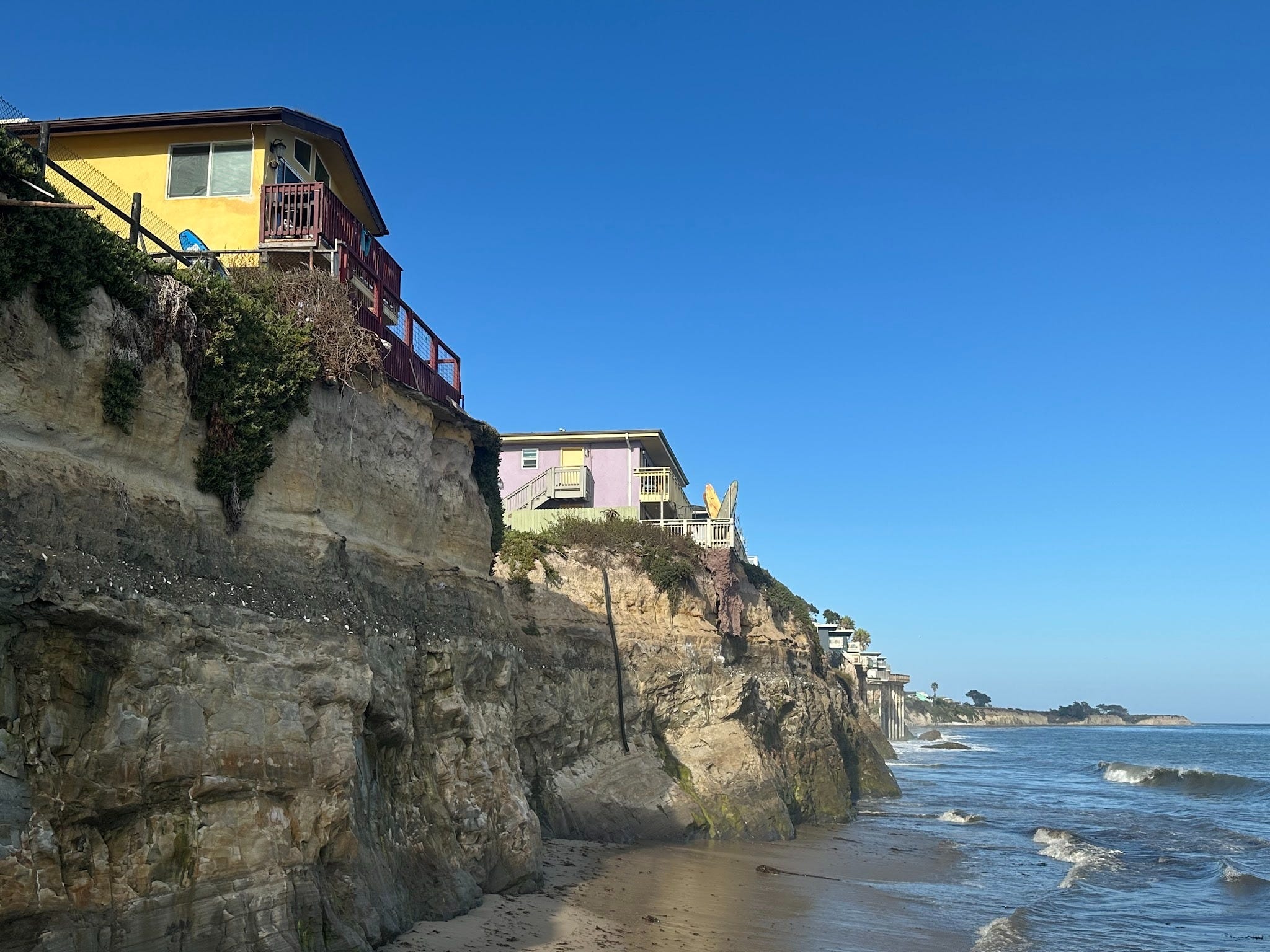
Isla Vista’s eroding coastline provides the most dramatic image of housing stock obsolescence, with homes falling into the ocean. But in every college town, and in many other cities, an aging housing stock fails to meet our future needs. College towns should seize the opportunity to build while they still have it. Maybe the next time I visit Isla Vista, I’ll be lucky enough to see some cranes amid the endless blue sky.

Extremely timely for me. The City of Columbia is trying to produce a moratorium on densifying neighborhoods near USC and it will only make things worse.
so much of this is also true in burlington vt!