


This article is the third installment of my United States Semiquincentennial Series. This series is a celebration of the country, its history, and the American people. See the previous editions on the Space Race and National Geographic.
This summer is the 250th birthday of the United States of America, officially on July 4, 2026. This Semiquincentennial was supposed to be a monumental celebration of the country, its people, and its accomplishments. Yet, the build-up to the date has felt flat, with the national mood seemingly not feeling like partying together.
The apathy for the Semiquincentennial got me thinking about the national mood during the previous Bicentennial back in 1976. I recently visited the Nixon Presidential Library for a field trip with my students, where there was a temporary exhibition on those celebrations from 50 years ago. The planning for those festivities dated back to the 1960s, with a keen eye on replicating and surpassing the 100th birthday back in 1876.
There was excitement over America’s 200th birthday then. Towns and malls alike across the country were decked out in patriotic red, white, and blue décor. Americans flocked to Disney to see “America on Parade,” a celebration of the celebrations. These parades and parties highlighted communities throughout that summer. Incorporating every state was intentional. In 1969, President Richard Nixon said of the planning:
America is 50 states. America is big cities and small towns... we want this celebration to be national. It must go directly to the people and derive its strength from the people.
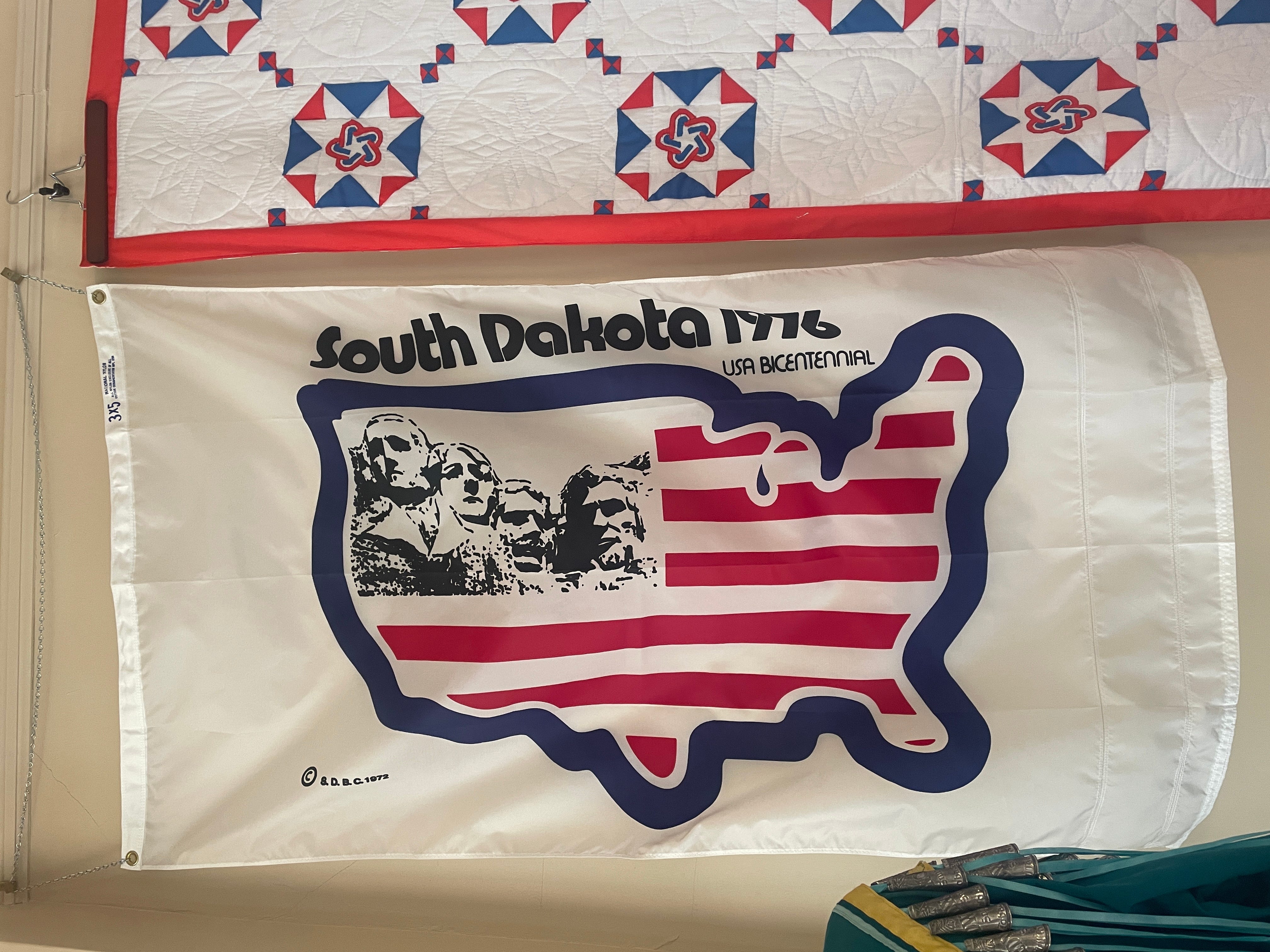
Beyond the events, Americans went out to buy a plethora of commemorative trinkets, pins, plates, books, and all manner of products in between. All of this memorabilia was adorned with the iconic Bicentennial logo. The logo even made it onto NASA’s Viking Mars Lander, which landed on Mars in 1976 (some symmetry with the recent Artemis Moon Mission).
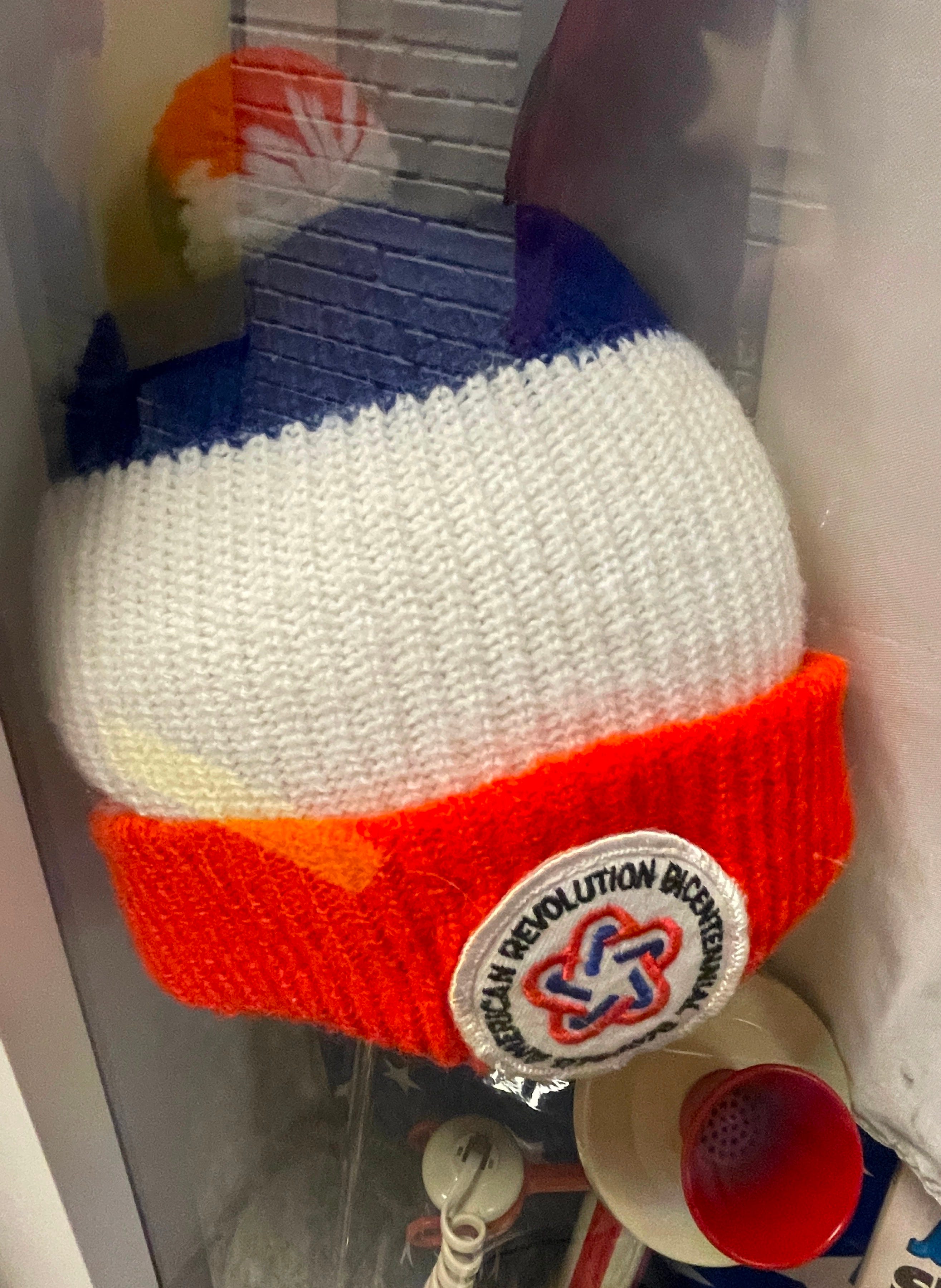
All this is to say that Americans in 1976 were ready to celebrate their country. I juxtapose that sentiment with the recent national mood. It seems that Americans of 2026 have not been as interested in partying for our founding. The merchandise is thin, the decorations are sparing, and the planned events have been contrived.
This malaise over the Semiquincentennial held true in the early part of the summer. But things are different as we approach the official date in July. What changed? The World Cup came to town. Specifically, foreign visitors descended upon our country, spreading from sea to shining sea. They have reminded us that we have much to celebrate in the US.
Viral Images of World Cup Visitors
The foreign visitors’ excitement over what they found in our country has ignited something inside of us Americans. We had been taking for granted the fun things about the places we call home. Even the mundane can be moving. The politics can be ignored (at least for a couple of weeks). The divides can be bridged. This is all that is happening during the World Cup.
Media outlets have already been chronicling these adventures. Owen Tucker-Smith and Chelsey Dulaney wrote in The Wall Street Journal:
Along the way, he—and other European fans who flocked to Kansas City for the World Cup—beheld the fruits of the American economy from a vantage point few foreign tourists typically see: suburban superstores, hulking plates of food, quiet streets. He marveled at the sprawling houses, a contrast from the tightly packed homes of the Netherlands.
The most emblematic fan has been Freddy, a German tourist who goes by the handle @FreddyLA7 on X. He has been documenting his entire trip across the country on the social media platform. Americans have responded by cheering him on along the way. His excitement for the things that he is experiencing has been infectious.
“The vibes are insane. Driving through the great state of Louisiana on our way to New Orleans. It’s crazy how diverse this country is, every day the scenery looks different,” he wrote, as he was trekking through the Gulf Coast. He has been compared to a modern-day Alexis de Tocqueville. The average culture and everyday life of America today necessitate visits to chain restaurants while riding in an SUV. Freddy was even reportedly offered a private jet ride at one point, but he rejected it because “we really want to drive to see a little bit more of Texas and also Oklahoma.”


I love that many of these international visitors have not just stayed in the destination cities like New York City or Los Angeles. There are examples of visitors loving so many different parts of the country, from urban to rural and even suburban. Yes, even suburban, perhaps a surprising admission for an urbanist. But there has certainly been exhilaration for our sprawling strip malls and gargantuan gas stations.
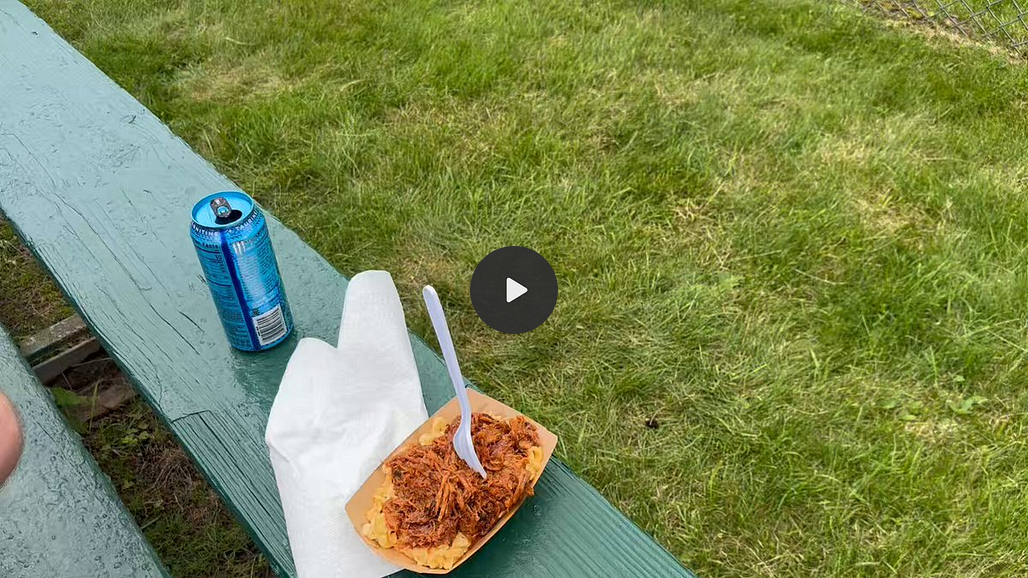
These foreign visitors just embraced being Americans during their World Cup stays. Scenes like Germans trying to square dance or English fans lauding Texan beer and BBQ went viral. Actually, it seemed like every fanbase loved Texas BBQ. “Texas is good! Everything is big!” exclaimed a Japanese fan in Dallas to a local Fox reporter. Others took on a mechanical bull while Americans helped foreign fans order at In-N-Out.
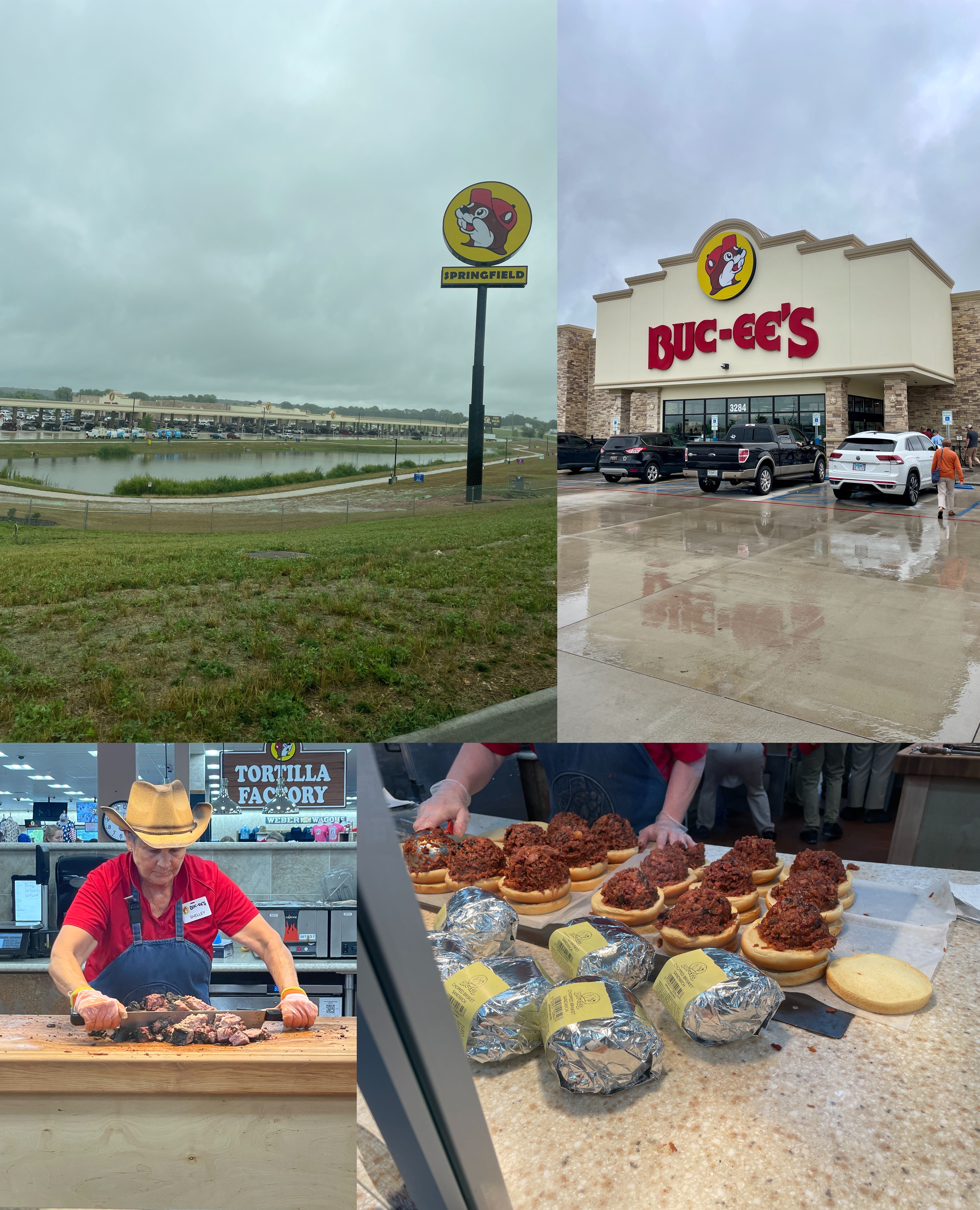
One of the American attractions that has drawn some of the most attention is Buc-ee's. The Texas-based gas and (full) service station chain has gained a mythological status in the country. Even for an American myself, I was left awed after my first trip to a Buc-ee’s. So it is no wonder that foreigners have taken to this national treasure.
The Southern breakfast diner chain Waffle House has also attracted the attention of our guests. The Waffle House franchise also has a cult following. It is not just drunken breakfast food and fist fights at two in the morning (although that is part of it). These restaurants are cultural and civic institutions. They even provide real-world indicators for natural disasters and emergencies through the so-called Waffle House Index. According to the restaurant’s website:
Green means the restaurant is serving a full menu, a signal that damage in an area is limited and the lights are on. Yellow means a limited menu, indicating power from a generator, at best, and low food supplies. Red means the restaurant is closed, a sign of severe damage in the area or unsafe conditions.
We have taken Waffle Houses for granted as Americans, even as they fill our bellies and help to save lives. Foreigners came along and reminded us that these places are worth celebration, not ridicule.
Embracing National Stereotypes
I should note that the United States is not even the only host for this World Cup. It is a joint bid by North America—the US, Canada, and Mexico. Similar joys we are seeing here are spreading to our co-host neighbors with their own visitors. While the fans have embraced stereotypical North American experiences like big trucks and gas stations, they have also brought with them their own national stereotypes. Fandoms actually embrace what we Americans might think of as insensitive cultural stereotypes.
There were photos of Japanese fans dressed as the cast from Mario video games, others held Pokémon in a crowd while being tossed in the air, and brought trash bags to clean up the stadium after their match. Scottish fans were marching around town donning kilts while playing the bagpipes and belting out I’m Gonna Be (500 Miles) by fellow countryman 80s band the Proclaimers at Fenway Stadium in Boston. Egyptians dressed as pharaohs, Jordanians making camel jokes, and Norwegians embracing the Viking Row are just a few of the highlights from this kind of fun.
Of course, there were some missteps, like a Mexican fan making a squinting gesture at a Korean fan. But these seemed mostly isolated, and the majority of the viral interactions were cheerful. Mexican fans blasted Psy’s Gangnam Style and danced with Korean visitors who were wearing sombreros and fake mustaches. It was pure joy and jubilation for different cultures, even if sometimes perceived as insensitive stereotypes.
The confluence of the World Cup and the NBA Finals really highlighted the magic in the country right now. Brazilian fans were in town for their match at the exact same time as Knicks fans flooded the street to celebrate their first championship in 53 years. The scene was legendary, like so many others across the US, Canada, and Mexico.
I recognize that some of these posts are just pandering, especially considering the X payout system incentivizes engagement. One user proclaimed, “I just had an out of body experience,” with an accompanying photo of Golden Corral. I used to work at Golden Corral, one of my first jobs during high school. It was gross. Perhaps it’s gotten better in recent years, but I actually think this person is likely just pandering to Americans for clicks.


Pete Wells, the prickly restaurant critic for The New York Times, called out this pandering. “But some writers trawling for these stories cast a wide net, and not everything they haul in passes the smell test,” he wrote. Apparently, he found that some of the viral posts were fabrications.
No matter if every post is real, there is certainly a large group of fans here enjoying what the country has to offer. Freddy’s journey is real, all the beer Scottish fans drank was real, and the jubilation was real. Whether or not some posts were fake, this cultural mixing has made the celebration of the 250th birthday real, too.

World Cup in College Towns, USA
One of my favorite things about this World Cup has been that some teams and fanbases got to experience the classic American college town. Jessica Blake of Inside Higher Ed has a masterful rundown of all the college connections in this World Cup. It is worth a read. Here is the list of host campuses and national teams:
Bentley University - France
Bryant University - Ghana
Florida Atlantic University - Curaçao
Gonzaga University - Egypt
Rutgers University - Senegal
San José State University - Paraguay
Stockton University - Haiti
University of California, Santa Barbara - Austria
University of Kansas - Algeria
University of North Carolina, Greensboro - Norway
University of San Diego - New Zealand
Wake Forest - Germany
Westmont College - Qatar
Visitors of these countries got to see that good college towns are some of the best places that America has to offer. “The campus is absolutely amazing. I don’t think I’ve ever seen a school like this. I felt like in Hogwarts, like Harry Potter. It is absolutely beautiful,” said Eugenia Károlyi of Telemundo-Spain about her time in Chattanooga, Tennessee.1
These towns have embraced the visitors, too. “Rock Chalk, Algeria!” exclaimed a local in Lawrence, decked out in the North African country’s gear, a play on the university’s call. Another local admitted that he didn’t know much about Algeria, other than where it is on a map, but he was pulling for the team because they took a chance on his beloved town. Some local young boys spoke eloquently about the meaning of the World Cup and that a team was staying in Lawrence. Algeria fans appreciated the hospitality:


The Yimbyland account summed up my feelings: “The best move we’ve made hosting the World Cup so far is sending a bunch of Europeans to the true gems of the American experience: College Towns.” Indeed, American college towns are special places. I’m glad the rest of the world got to see that during this World Cup.
Where Did the Players Go to College?
Not too many of the players on these teams would have had a chance to visit college towns. College athletics is mostly an American tradition. The rest of the world, especially in soccer, utilizes an academy system. They start playing professionally quite young, and college attendance just does not factor into these journeys through elite soccer.
But I was still curious if some players on the teams had any college-going experience. I was pleasantly surprised to have found a few, and it wasn’t just the Americans. Below is a list of players that I found with college-going experience from all of the World Cup teams, a College Towns exclusive.2
I was also intrigued that not just American players or institutions could be found. Certainly, the list is dominated by American institutions, but not all for Americans. There is considerable international student representation on various World Cup teams from Haiti, New Zealand, Canada, and Sweden. Likewise, there are local college sports traditions in Canada, South Korea, and Japan.
I have experience with the college sports culture in South Korea, having graduated from Yonsei University in Seoul with an MA. While I cannot say it is the exact same as American college life, the atmosphere of games can still be intense and high-level. Every year, Yonsei and Korea University (also represented in the World Cup data), compete in Yeongojeon (Yonei-Korean Games). No doubt that the collegiate competition tradition here traces its roots back to US influence. My alma mater, Yonsei, was founded by American missionaries.
The American universities are a fun list, too. They include some traditional college sports powerhouses like the University of Connecticut, along with some familiar Power Five schools, like the University of Maryland, the University of North Carolina, and the University of Washington, all large R1 state flagship institutions. But there are other lesser-known universities on the list, such as Fairfield University and Saint Louis University, or even secondary state institutions like the University of Akron (MACtion represented!) and UNC Wilmington. There is even a community college, with Canada’s Moise Bombito attending Iowa Western Community College before transferring to the University of New Hampshire.
Overall, the colleges that are most represented were Syracuse University, St. John’s University (New York), University of Maryland, University of Virginia, Korea University, and Meiji University. All of these have two players representing their various countries on a World Cup team. In terms of country rank, the US had 31, South Korea had six, Japan had four, and Canada had two. Please don’t use these in some cockamamie university ranking!
The Nixon Allegory: 1976 to 2026
A controversial president in a deeply divided society, amid raucous protests, runaway inflation, and costly adventurism abroad. This description could be about either the 2020s or the 1970s. The Nixon era is actually a good parallel to the country today. Vietnam was a disaster, Nixon was impeached, and President Gerald Ford wasn’t even elected to VP.
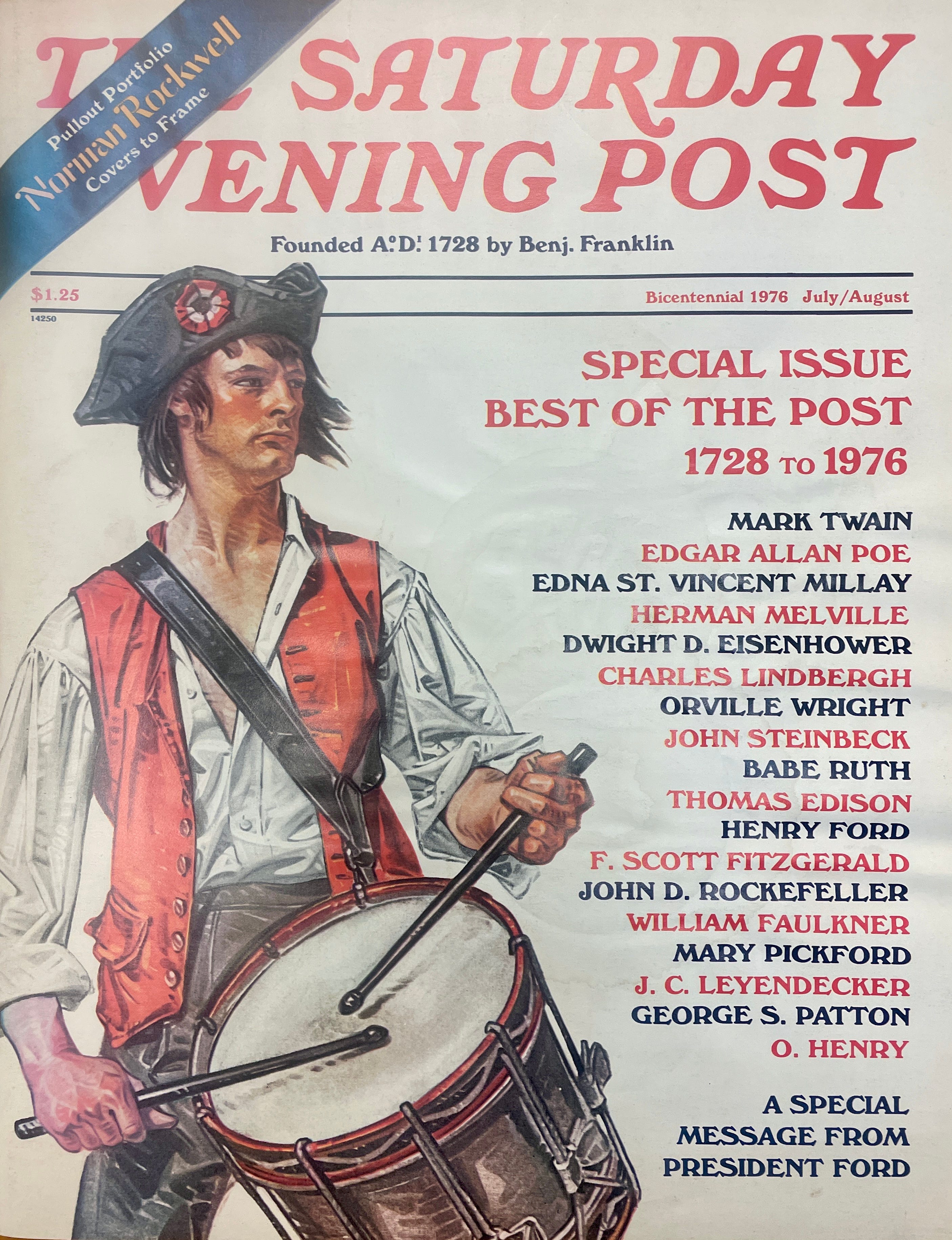
Despite these issues, Americans in 1976 still celebrated the country. “Rarely in the history of the world had so many people turned out so spontaneously to express the love they felt for their country... We had regained our pride,” reflected President Ford on the Bicentennial events.
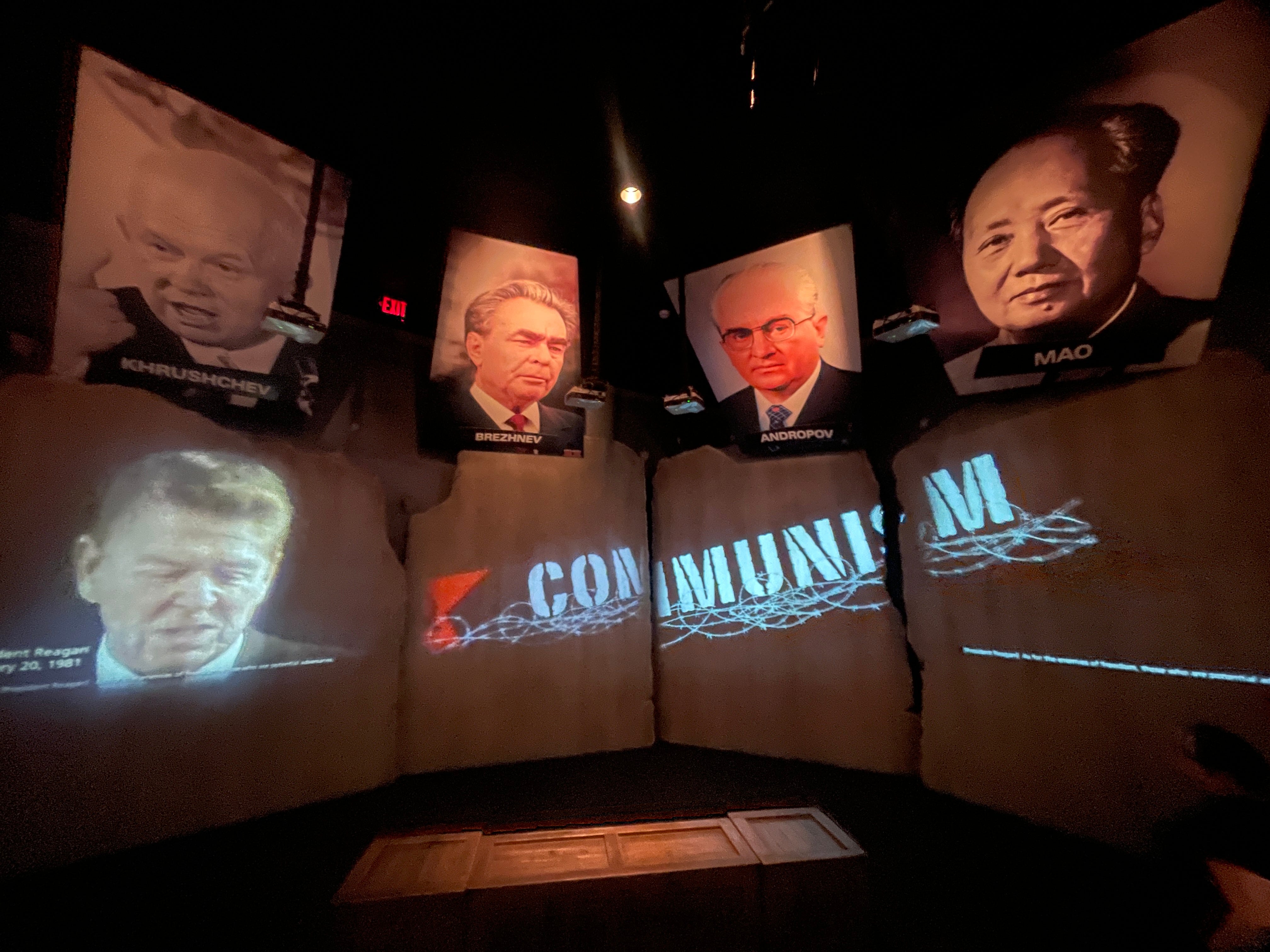
The Nixon era eventually gave way to the Reagan era. Say what you want about Reagan’s policies, his aesthetics were captivating. They were patriotic, even if not an over-the-top stereotype version. But as we are seeing with this World Cup, there is something fun about over-the-top patriotism.
Some of those same sentiments may have been tried with Trump’s UFC Freedom 250 event or the Great American State Fair, yet they have been viewed as divisive or contrived. These events were truly divisive, as rival groups planned celebrations; one called Freedom 250 and the other America 250. Despite some sensational imagery from the UFC event, the negativity deflated the festivities. Likewise, the Fair has reportedly been poorly attended, and people are mostly making fun of it online, saying it looks like we ordered it from Temu.


Luckily, we do not need to rely on these contrived events for the 250th celebration. We have the World Cup. Ironically, it took the sport that the US has traditionally neglected, especially compared to pretty much every other country in the world. Yet, it was exactly this soccer event that has juiced the American celebration from big cities to rural areas, college towns, and even the suburbs.
I hope this World Cup can show that the US is an open place for foreigners, tourists, and travelers again. Our image has taken a major hit abroad in recent years. Without the World Cup, without the visiting fans, without the pageantry, without the cultural mixes, without the passion, this 250th birthday would have just come and gone with little notice. Instead, it reminded us Americans why we should be celebrating. I am grateful for those foreign World Cup visitors who made this American Semiquincentennial special.
I should note this quote was about a private high school, Baylor School. But Chattanooga is still a college town with the University of Tennessee at Chattanooga.
I used Google Gemini to assist with the search, and I must say it was quite bad. So I confirmed each with a link to a source. I may have missed some players due to local languages.
I was born after the Bicentennial, but grew up in the 1990s when there was a wave of 70s nostalgia (Brady Bunch Movie, That 70s Show, reunion tours from Fleetwood Mac, The Eagles, The BeeGees...). I was recently thinking about all of the Bicentennial merchandise I used to see at flea markets and antique stores as a kid and how it seemed like a HUGE celebration with lots of anticipation. Disney opened America Sings to commemorate the Bicentennial... in 1974! Here we are a week from the 250th and there seems to be little fanfare, beyond the contrived, forced, or partisan. The World Cup has given me a boost of optimism too, but it doesn't feel nearly as rooted as what I always imagined the patriotism of 1976 looked like.